


Laser vs Microneedling for Acne Scars
Acne scars are a long-lasting consequence of damage to skin tissue from inflammation associated with acne lesions and breakouts. When the skin experiences inflammation, it initiates the body’s natural wound-healing process, characterized by the production of collagen to repair the damage. However, responses to acne can vary significantly from one individual to another, leading to different types of scars that require tailored treatment strategies. Acne scars can manifest in various forms. Atrophic or depressed scars occur when the skin produces insufficient collagen during the healing process, leading to sunken areas on the skin’s surface. Beyond these scar types, some individuals may also experience post-inflammatory hyperpigmentation, which appears as dark spots at the site of the lesions. Due to the complexity and variability of acne scars, it is crucial to consult a qualified dermatologist. An expert like board-certified Dr. Michele Green in New York City can offer a comprehensive assessment and create a personalized treatment plan that addresses your specific scar types and individual skin concerns. This ensures that you receive optimal care and the best possible outcomes in your journey toward clearer, healthier skin.
Many of the most effective treatment options for acne scars focus on stimulating new collagen production to enhance skin texture and addressing discoloration to achieve a more uniform skin tone, rather than dramatic results. A diverse range of non-invasive cosmetic procedures is available to tackle these concerns. These options include laser skin resurfacing, which uses targeted laser energy to exfoliate damaged skin and promote collagen regeneration; subcision paired with dermal fillers, which can elevate depressed scars and restore volume; chemical peels, which involve applying a solution to exfoliate damaged outer layers of skin; and microneedling, which delivers tiny needles into the skin to trigger the body’s natural healing processes and boost collagen formation. Dr. Green specializes in assessing individual skin conditions and can devise a personalized treatment plan tailored to each patient’s specific needs, whether they are dealing with atrophic scars (indented), hypertrophic scars (raised above the skin surface), or post-inflammatory hyperpigmentation (dark spots resulting from previous acne). With the right approach, patients can enhance their skin’s appearance and feel more confident in their own skin.
Dr. Michele Green is an acclaimed, board-certified dermatologist with over 25 years of experience. Recognized for her expertise, she caters to a diverse clientele, including some of the most discerning individuals seeking non-invasive treatment solutions, particularly for conditions like acne scars. In her approach to facial rejuvenation, Dr. Green adopts a holistic methodology, emphasizing a less-is-more philosophy that enhances her patients’ natural beauty. Each treatment plan is meticulously tailored, combining a range of in-office procedures, personalized topical treatments, and specialized skincare products that align with each patient’s unique needs and goals. Her commitment to excellence and patient care has earned her numerous accolades, and she is consistently acknowledged by prestigious publications such as New York Magazine, Super Doctors, The New York Times, and Castle Connolly as one of New York’s leading dermatologists. During your consultation in her inviting boutique dermatology office located in Manhattan’s Upper East Side, you will devise a comprehensive treatment strategy to achieve a clear, smooth, and healthy complexion.
What are acne scars?
Acne scars are persistent reminders of inflammatory acne lesions that have affected countless individuals. These scars develop when inflammation from acne lesions inflicts irreversible damage to the underlying skin tissue. This inflammation activates the body’s natural wound-healing process, leading to the production of collagen in skin cells. This vital protein provides structural support and helps maintain skin firmness and smoothness. However, the balance of collagen production is crucial; when too little is synthesized, depressed or atrophic scars can form, resulting in pitted areas on the skin. Conversely, excess collagen can lead to raised scars, such as hypertrophic or keloid scars. Keloid tissue is particularly concerning because it extends beyond the original injury site and can continue to grow even after the skin has healed. The prevalence of acne is staggering, affecting up to 50 million Americans annually, according to the American Academy of Dermatology. However, predicting whether a particular acne breakout will result in scarring is challenging. Any lesion has the potential to leave a scar, especially if the individual engages in harmful behaviors such as picking at or popping pimples, which can exacerbate inflammation and drastically increase the likelihood of scarring. Treating acne scars is often more complex than addressing the breakouts themselves, leading many individuals to seek professional help. A consultation with a board-certified dermatologist, such as Dr. Green, is highly recommended for effective management and treatment of acne scars. These treatments, which help make scars less noticeable, include cutting-edge options such as several types of lasers, light therapy, dermal filler injections, chemical peels, and microneedling. Each of these methods has its own benefits and can yield impressive results when performed by a skilled, experienced dermatologist like Dr. Green, who ensures the procedures are conducted safely and effectively. With the best treatment plan tailored to the individual’s skin type and scarring severity, patients can move towards a clearer, smoother future.
Will acne scars go away on their own?
Most acne scars are long-lasting and typically do not fade on their own. These scars are visible reminders of the damage to the skin’s tissue caused by acne-related inflammation. Once this tissue is compromised, the skin struggles to heal fully, leaving behind marks that can persist for years. Addressing acne scars is often a more complex process than treating active breakouts. Therefore, it is crucial to manage acne effectively and promptly before scars form. Dermatologists may suggest a tailored treatment plan based on the underlying causes of acne. This plan often includes a combination of topical treatments, such as retinoids or other medicated creams, oral medications, such as antibiotics or hormonal therapies, and various in-office procedures. In-office options may include medical-grade facials to deeply cleanse and rejuvenate the skin, extractions to remove stubborn blemishes, or advanced techniques such as laser therapy, which helps resurface the skin and stimulate collagen and elastin production. For those who have already developed acne scars, Dr. Green’s private dermatology office offers a range of effective treatment choices. These procedures can significantly minimize the visibility of scars, restoring the skin’s texture and appearance. By addressing both the acne and its aftermath, individuals can achieve clearer, healthier skin.
Laser treatments for Acne Scars
VBeam laser treatment
The VBeam laser is widely regarded as the gold standard for effectively eliminating various shades of red pigment from the skin with intense, concentrated beams of light. This includes conditions such as acne scars, post-inflammatory hyperpigmentation, vascular lesions, broken capillaries, stretch marks, rosacea, and active acne breakouts. Utilizing advanced pulsed-dye laser technology, the VBeam operates at a specific wavelength that targets red pigment directly while meticulously preserving surrounding skin tissue, thereby minimizing the risk of damage. A key advantage of the VBeam laser treatment is that it requires no downtime. Patients can immediately return to their normal daily activities after each session, making it a convenient option for those with busy schedules.
Additionally, side effects are generally minimal, typically limited to mild swelling and redness that resolve within a few hours post-treatment. For optimal results, most patients will need a series of 4 to 6 VBeam laser treatments, spaced about 4 weeks apart. This regimen allows for a gradual reduction in acne scars and breakouts, leading to significant improvements in overall skin tone and texture. Many patients find that their skin looks clearer and more radiant after completing the full series of treatments, making the VBeam laser an effective solution for stubborn skin concerns.
Fraxel laser
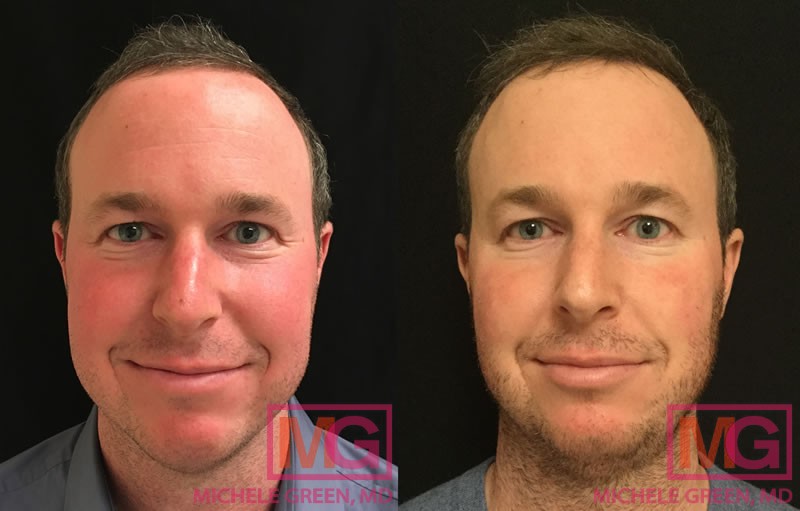
The Fraxel Dual laser is a sophisticated fractional laser treatment that has earned the nickname “magic eraser” from Dr. Green, highlighting its remarkable ability to address a diverse range of skin concerns effectively. This innovative treatment uses two distinct wavelength settings: the 1550nm wavelength targets texture irregularities, such as acne scars, fine lines, wrinkles, enlarged pores, and stretch marks, while the 1927nm wavelength targets sun damage, including sun spots and various forms of skin discoloration. As a non-ablative laser, the Fraxel Dual treatment uniquely preserves the skin’s top layer, minimizing trauma to the surface while simultaneously stimulating deeper layers to promote the production of new collagen and elastin. This process is essential for achieving a smoother, more youthful appearance over time. Fractional energy delivery means only a fraction of the skin is treated at any one time, leading to a significantly shorter recovery period than with traditional lasers. Patients undergoing treatment for acne scars and textural issues may experience mild reactions, such as redness and swelling, which typically resolve within 48 hours. The exact number of Fraxel laser sessions required varies with individual skin conditions and the severity of acne scars; however, most patients find that 3 to 6 sessions are sufficient to achieve optimal results. Because this is a more intense laser treatment, patients are instructed to apply a thick layer of numbing cream at least an hour prior to treatment.
eMatrix Sublative laser
The eMatrix laser treatment harnesses radiofrequency energy to effectively stimulate collagen production in the skin’s dermal layers. This innovative procedure not only enhances overall skin texture but also promotes a more uniform skin tone, making it an ideal solution for individuals seeking to improve their skin’s appearance. One of the standout features of eMatrix is its safety and efficacy across a diverse range of skin tones and types, including those with deeper pigmentation, which often experience challenges with other laser treatments. The procedure typically requires minimal downtime, allowing patients to return to their daily activities soon after treatment. While the most commonly reported side effects include mild redness, swelling, and tenderness in the treated area—which usually subside within 48 hours—patients can rest assured that these sensations are temporary. For optimal results, most individuals will benefit from a series of 4 to 6 eMatrix sessions, spaced approximately 4 weeks apart. This protocol is especially beneficial for reducing the appearance of acne scars. Patients with more pronounced scarring may need additional sessions to achieve their desired outcome. Overall, eMatrix is a promising and effective option for anyone looking to rejuvenate their skin and mitigate the impacts of scarring and uneven texture.
Clear + Brilliant Laser
The Clear + Brilliant laser, often referred to as the “mini Fraxel,” is an advanced, gentle laser treatment that offers a safe, effective solution for individuals of all skin tones and types. This innovative therapy specifically targets a range of skin concerns, including superficial to moderate acne scarring, post-inflammatory hyperpigmentation, fine lines, wrinkles, enlarged pores, and uneven skin texture and tone. Utilizing a fractionated energy delivery system, Clear + Brilliant stimulates the skin’s natural collagen production in the targeted areas. This process not only rejuvenates the skin but also leads to a noticeable improvement in its overall appearance, resulting in a smoother, brighter, and more youthful complexion with minimal downtime. One of the standout features of the Clear + Brilliant laser treatment is its ability to enhance the absorption of topical serums. By increasing the skin’s permeability, this treatment promotes better penetration and efficacy of various skincare ingredients, such as vitamin C. This means patients can achieve improved results from their regular skincare routines after treatment. For optimal results, most patients are recommended to undergo a series of 4 to 6 Clear + Brilliant laser treatments, with sessions spaced approximately 3 to 4 weeks apart. This schedule allows for progressive skin rejuvenation while ensuring adequate recovery time between treatments, ultimately leading to a more radiant, healthier-looking complexion.
Microneedling treatment for acne scars
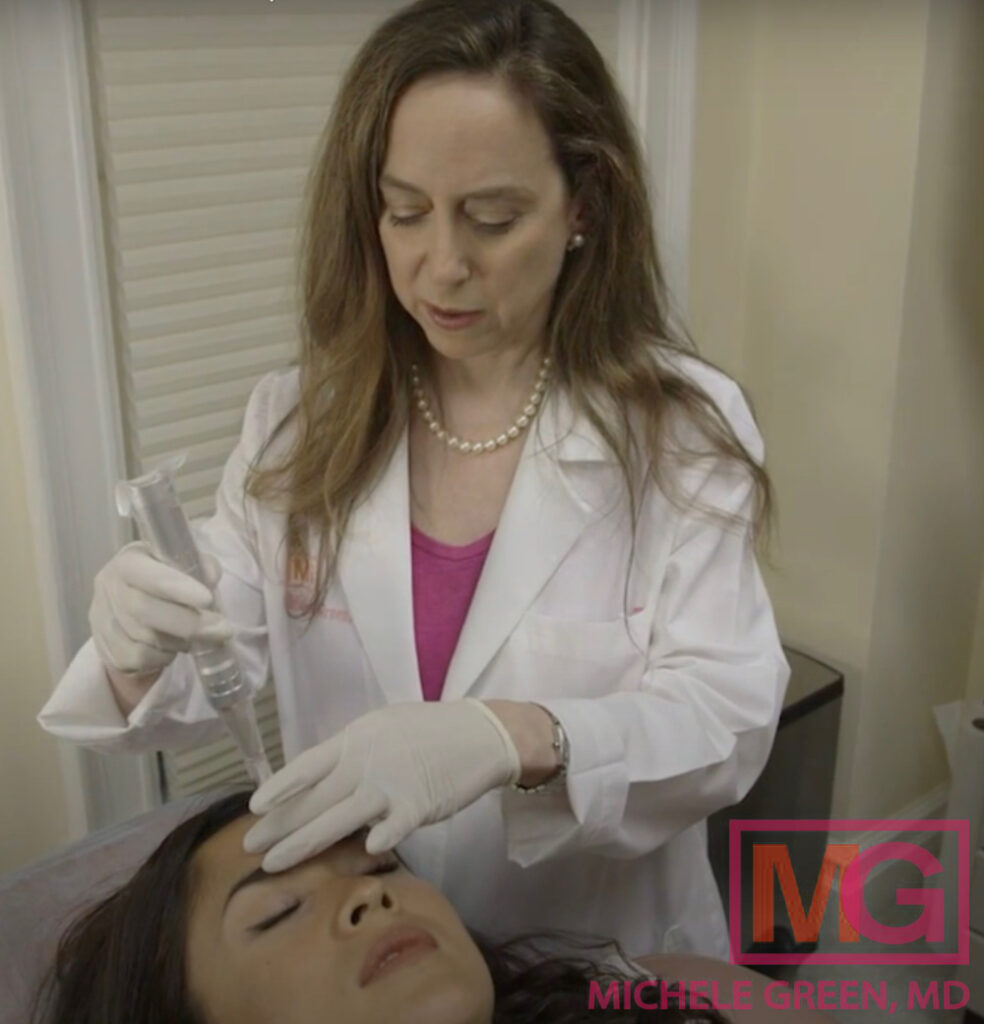
Microneedling, also known as collagen induction therapy, is an innovative, non-invasive treatment that significantly diminishes the appearance of acne scars. This advanced procedure involves the precise use of a specialized handheld microneedling device, which Dr. Green skillfully glides across the skin in the targeted treatment area. The device is equipped with ultra-fine needles that create thousands of micro-channels in the skin’s outer layer. This intentional injury activates the skin’s natural healing process, stimulating the production of collagen and elastin over time, which results in a smoother, brighter, and healthier complexion. Patients typically notice a reduction in acne scars and an overall improvement in skin texture. One of the standout features of microneedling is its minimally invasive nature, which results in very little downtime for patients and minimal side effects. This makes it highly accessible to individuals with various skin types and tones, making it a versatile treatment suitable for a broad range of patients. To achieve the best results, most individuals require 3 to 6 microneedling sessions spaced a few weeks apart, allowing the skin ample time to heal and regenerate. The microchannels created during microneedling significantly enhance the skin’s permeability, maximizing the absorption and effectiveness of topical serums applied immediately after the procedure. For patients dealing with unwanted pigmentation or uneven skin tone, combining microneedling with a topical depigmenting serum can yield remarkable results. Dr. Michele Green’s office utilizes a unique blend of powerful yet gentle skin-brightening agents specifically designed to target and inhibit melanocyte activity, further correcting skin discoloration.
Additionally, patients looking to amplify the benefits of their microneedling experience may opt to include platelet-rich plasma (PRP) in their treatment plan. PRP is a serum derived from the patient’s own blood, rich in epidermal growth factors that enhance and accelerate wound healing. By enriching microneedling with PRP, patients can promote even greater cellular-level skin regeneration, resulting in more pronounced and longer-lasting improvements in skin health and skin tightening. This combination of personalized care and advanced technology makes microneedling an exceptional choice for anyone looking to rejuvenate their skin and address concerns such as acne scars and pigmentation issues.
Vivace RF microneedling
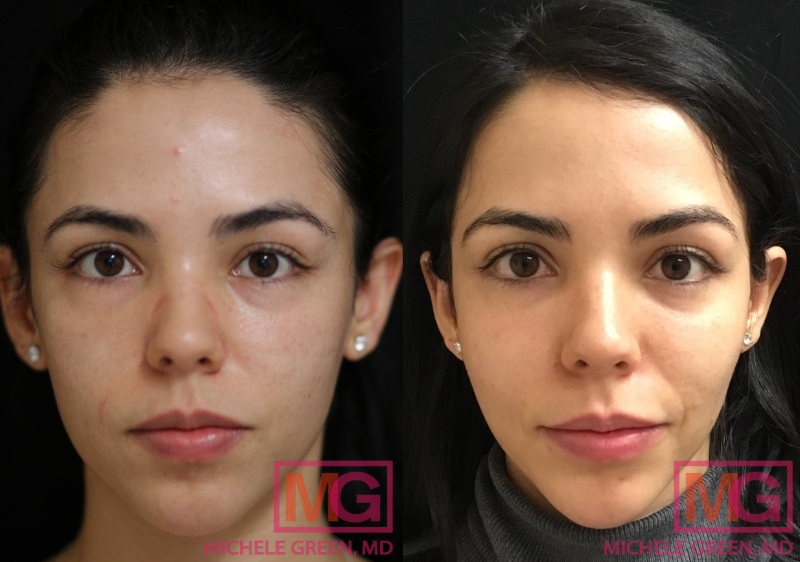
Vivace radiofrequency (RF) microneedling is a cutting-edge aesthetic treatment that seamlessly combines the benefits of radiofrequency energy with the skin-rejuvenating effects of microneedling. This advanced procedure is designed to significantly enhance collagen production, leading to a more youthful, radiant complexion. One of the standout features of Vivace is its sophisticated robotic motor, which delivers targeted, controlled RF energy via gold-tipped, insulated microneedles. This innovative technology not only ensures precision but also enhances patient comfort, contributing to a virtually pain-free experience compared to traditional microneedling methods. The microneedling aspect of Vivace creates micro-injuries in the epidermis, triggering the body’s natural healing response and stimulating collagen synthesis. Simultaneously, the radiofrequency energy penetrates deeper into the dermis, gently heating tissues and further promoting collagen production, thereby tightening the skin. This dual-action approach leads to improved texture, tone, and elasticity. To maximize treatment efficacy, a series of sessions is typically recommended, with each session spaced approximately 4 weeks apart. This allows the skin to recover and adapt, ensuring optimal results over time. Ultimately, Vivace RF microneedling offers a groundbreaking solution for individuals seeking comprehensive skin rejuvenation with minimal downtime.
Is laser or microneedling better for acne scars?
Determining the most effective cosmetic procedure for treating acne scars can be complex, and it is essential to consult a qualified, board-certified dermatologist. One highly regarded professional in this field is Dr. Michele Green, based in New York City, who boasts an impressive track record and over 25 years of experience in cosmetic dermatology. Consulting a dermatologist like Dr. Green is crucial because acne scar treatments can vary significantly depending on individual skin characteristics. Factors such as skin tone, skin type, and the specific nature of the scars must be carefully considered. For example, not all laser treatments are suitable for every skin type; using an inappropriate laser can lead to adverse effects, including hypopigmentation (lightening of the skin), hyperpigmentation, burns, and further scarring. During your consultation, she will conduct a thorough assessment of your skin condition, meticulously review your medical history, and discuss any previous treatments you may have undergone. Moreover, Dr. Green will evaluate the location and type of scarring, as well as your unique skin tone and type. Based on this detailed evaluation, she will create a personalized treatment plan tailored to your individual concerns and aesthetic goals. Through her tailored approach, patients can achieve optimal results safely and effectively, restoring their skin’s appearance and boosting their confidence.
What is the strongest treatment for acne scars?
The most effective treatment for acne scars largely depends on the specific type of scar and the individual’s skin type. One of the leading treatments is ablative laser therapy, such as CO2 laser therapy. This procedure involves delivering concentrated light energy that penetrates the skin’s surface, effectively removing damaged layers and dramatically improving the skin’s texture. By doing so, it stimulates the production of collagen deep within the skin, which is vital for achieving a smoother appearance. However, patients can expect significant downtime post-treatment, during which the skin may be red and healing. Another effective option is TCA Cross, which uses a high concentration of trichloroacetic acid specifically applied to the base of indented scars. This technique promotes collagen production in the targeted area, effectively minimizing the appearance of scarring over time. TCA Cross is particularly beneficial for icepick and boxcar scars, as well as other deep-textured scars.
In many cases, a multi-faceted approach that combines different treatment modalities yields the best results. Tailoring the combination to address your specific scar types and skin condition will maximize improvement. It is highly advisable to consult with a board-certified dermatologist, such as Dr. Green, who can assess your skin and develop a personalized treatment plan designed to help you achieve clearer, more even skin. By taking these steps, you’ll be one step closer to restoring your confidence and improving your complexion.
Can microneedling completely get rid of acne scars?
Microneedling is an effective treatment for improving the appearance of acne scars by stimulating collagen production. This process involves using a device with fine needles to create tiny micro-injuries that prompt the body’s natural healing response. As a result, new collagen and elastin are produced, leading to smoother and more rejuvenated skin over time. However, it’s important to note that microneedling is not typically a single-session solution. Most patients will require multiple sessions, spaced several weeks apart, to achieve optimal results and fully restore skin texture. The number of treatments needed can vary depending on the severity of the scars and individual skin types, making a consultation with a qualified practitioner essential for a personalized treatment plan. With patience and commitment to the process, microneedling can lead to significant and long-lasting improvements in the appearance of acne scars.
Does laser improve acne scars?
Lasers are an effective treatment option for reducing the appearance of acne scars by stimulating collagen production, an essential process for skin repair and rejuvenation. These treatments use focused light energy to create controlled micro-injuries in the skin, triggering the body’s natural healing process. This process involves replacing damaged scar tissue with new, healthier tissue, resulting in a smoother, more even skin texture. While complete removal of acne scars is uncommon, laser therapy can significantly reduce their visibility, making them less noticeable. The targeted treatment of the affected areas promotes skin renewal and improves overall skin tone. Additionally, the results from laser treatments are often long-lasting, providing individuals with a more permanent improvement in their skin’s appearance. Patients may notice a reduction in scar depth and color, leading to greater confidence and satisfaction with their skin.
Should I get microneedling or laser first?
When seeking the most effective treatment for your acne scars, it is essential to consult a board-certified dermatologist, such as Dr. Green, who can perform a thorough skin examination. Acne scars can vary significantly in appearance and depth, and understanding the different types is crucial for determining the appropriate treatment plan. Some individuals may experience post-inflammatory hyperpigmentation, which appears as darkened areas on the skin after acne resolves. In contrast, others may have icepick scars—deep, narrow indentations—or rolling scars, which are wider and give the skin a wavy texture. For mild-to-moderate icepick scars, microneedling can be an effective treatment option. This procedure involves using fine needles to create micro-injuries in the skin, promoting collagen production and helping smooth texture and improve overall tone. It’s particularly beneficial for addressing the superficial nature of icepick scars, as it encourages the skin to heal and regenerate, resulting in a more balanced, refined appearance. Overall, a personalized approach guided by an experienced dermatologist will ensure the selected treatment aligns with your skin type and scarring concerns, maximizing the likelihood of optimal results. It is essential to remember that while these treatments are generally safe and effective, the results can vary from person to person. To create a personalized acne scar treatment plan tailored to your skin type and scar characteristics, it is highly recommended that you consult an experienced, board-certified dermatologist. For instance, Dr. Green, based in New York City, has over 25 years of experience treating acne and acne scars for individuals worldwide. With her extensive knowledge, she can design a comprehensive treatment protocol to help you achieve your aesthetic goals, ultimately allowing you to look and feel your best.
What are the disadvantages of laser treatment for acne scars?
When considering laser acne scar treatment, it is important to be aware of several significant disadvantages. One of the most notable drawbacks is the considerable downtime associated with the procedure. Patients often experience noticeable redness, swelling, and crusting at the treatment site, which can last for several days or longer, depending on the individual’s skin type and the depth of the laser treatment. Additionally, there is a risk of side effects, including hyperpigmentation—where the skin darkens post-treatment—or hypopigmentation —lightening of the skin in the treated areas. These pigmentary changes can be particularly concerning for individuals with darker skin tones, as they may be more susceptible to such effects. Another important consideration is the possibility of infection or the formation of new scars if the procedure is not performed correctly. The use of inappropriate laser settings or techniques can exacerbate these risks, underscoring the necessity of skilled, experienced practitioners. Moreover, patients must commit to sun avoidance both before and after the procedure to prevent complications and ensure optimal healing. Multiple sessions may also be required to achieve the desired results, further extending the treatment timeline and emotional investment. Due to these factors, laser acne scar treatment may not be suitable for everyone, particularly those with certain medical conditions or darker skin. It is crucial to consult a board-certified dermatologist, such as Dr. Green, who can evaluate your specific skin type and condition. This professional guidance helps select the most appropriate treatment option while minimizing the risk of adverse effects and increasing the likelihood of satisfactory outcomes.
Is a CO2 laser better than microneedling?
Both microneedling and CO2 laser treatments have unique benefits, and neither is universally superior; their effectiveness largely depends on the specific type of acne scars being treated. Microneedling is particularly advantageous for treating superficial acne scars, as it uses fine needles to create micro-injuries in the skin’s surface layer. This stimulates collagen production, promoting healing and improving skin texture. However, it’s important to note that microneedling may not effectively treat deeper, more indented scars since the needles don’t penetrate sufficiently to reach those layers. On the other hand, CO2 laser therapy is a more invasive option that targets deeper layers of the skin, effectively reducing the appearance of severe acne scars. While this treatment can provide significant results, it also comes with considerable downtime, as the skin needs time to heal from the intense laser energy. Additionally, patients may experience side effects such as hyperpigmentation or hypopigmentation, particularly if they have darker skin tones or do not adhere to proper post-treatment care. In summary, the choice between microneedling and CO2 laser treatment should be based on a thorough evaluation of the scars being treated, skin type, and the desired results, all of which are best discussed with a qualified dermatologist.
Why is microneedling not helping my acne scars?
Microneedling can be an effective treatment for certain types of acne scars, but its efficacy can vary significantly depending on the scar’s characteristics. This minimally invasive procedure is particularly well-suited for atrophic scars, which are depressed and often result from collagen loss in the skin. By promoting collagen production and skin regeneration, microneedling can improve the appearance of these scars over time. However, it’s important to note that microneedling may not be as effective for hypertrophic or keloid scars, which are raised and result from excessive collagen production. Additionally, very deep scars, such as boxcar or icepick scars, may require more intensive treatment beyond the capabilities of standard microneedling.
In some cases, patients may find that they do not see optimal results due to insufficient treatment sessions or the use of needles that are not deep enough to penetrate adequately for their specific scar type. For the best outcomes, it is advisable to consult a qualified, board-certified dermatologist, such as Dr. Green, who can evaluate your skin and medical history and recommend a personalized treatment plan. They may suggest a combination of treatments or alternative approaches to effectively target different types of scars and achieve the desired results.
Which laser treatment is best for deep acne scars?
In recent years, laser resurfacing has gained significant popularity as an effective solution for minimizing the appearance of atrophic scars and addressing various skin concerns linked to sun damage and aging. These issues often include skin discoloration, enlarged pores, and fine lines and wrinkles. Among the available treatment options, laser resurfacing is one of the most effective methods for reducing the visibility of acne scars. This advanced procedure employs focused laser technology to gently remove the outer layer of skin while simultaneously stimulating the deeper layers. This process promotes increased cell turnover and enhances collagen production, a vital protein that helps maintain skin elasticity and resilience. As a result, patients often experience improved skin texture and tone, resulting in a more youthful, rejuvenated appearance. When considering laser resurfacing for scar treatment, it is crucial to consult a qualified, experienced dermatologist. Dr. Green’s extensive experience with various laser technologies enables her to determine the most suitable and effective treatment options for her patients. Her personalized approach prioritizes safety and efficacy, enabling individuals to achieve their desired results while minimizing potential side effects. If you are considering laser resurfacing to improve your skin’s appearance, consulting with a specialist like Dr. Green can help you make an informed decision and embark on a path to clearer, healthier skin.
How do I get started with acne scar treatment today?
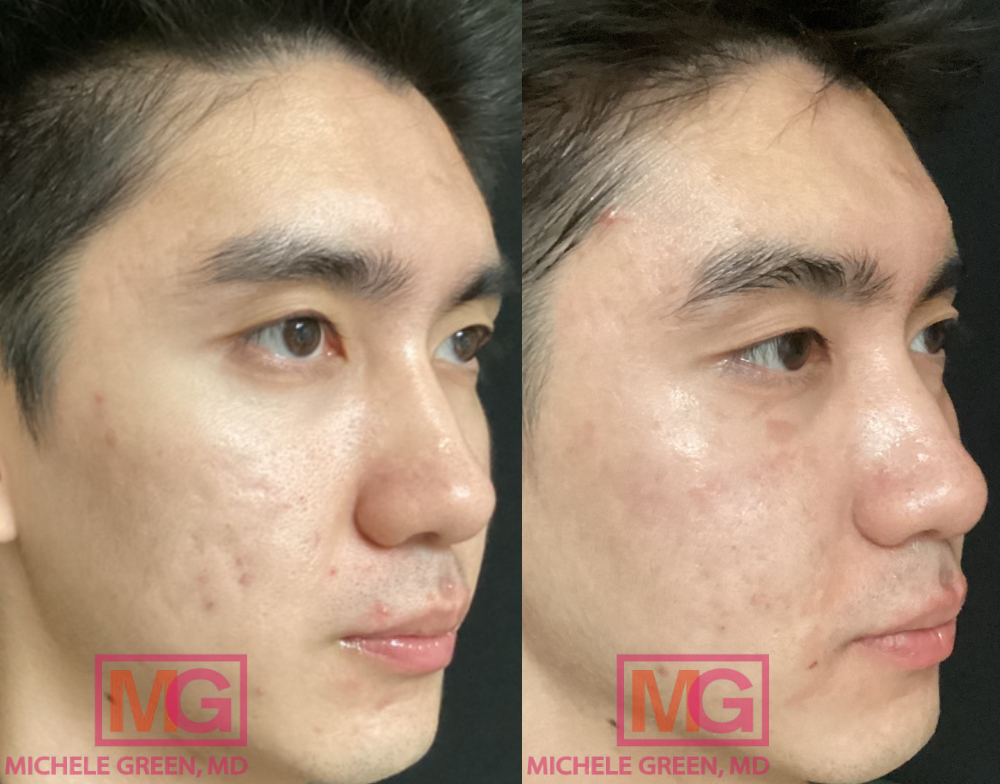
Acne scars can serve as a persistent reminder of traumatic breakouts, often leading to feelings of self-consciousness and diminished self-esteem. These scars represent a common skin concern caused by the body’s healing response, in which either an excess or a deficiency of collagen is produced, leading to lasting changes in the skin’s dermis. This alteration can lead to textural irregularities and uneven skin tone, which may affect one’s confidence and overall appearance. Fortunately, individuals seeking to diminish the visibility of their acne scars can turn to an experienced, board-certified dermatologist like Dr. Green. With a comprehensive understanding of skin healing and cosmetic enhancement, Dr. Green offers a range of advanced, non-invasive treatments tailored to each patient’s unique needs. These include laser resurfacing—which uses targeted laser technology to remove layers of damaged skin and promote collagen production—subcision with dermal fillers to effectively lift and smooth the skin from beneath, chemical peels that exfoliate the outer layer of skin to reveal a fresher complexion, and microneedling, which stimulates the body’s natural healing process to improve skin texture. These innovative treatments are designed to require minimal to no downtime, allowing patients to resume their daily activities shortly after each session. Many individuals report impressive improvements in their skin after just a few treatments, leading to significant enhancements in texture and tone. If you’re feeling frustrated by the appearance of your acne scars and are longing for clear, radiant, and smooth skin, Dr. Green is dedicated to helping you achieve your goals and restore your self-confidence. Don’t hesitate to reach out for a consultation to discuss the best options for your skin type and concerns.
Dr. Michele Green is a highly esteemed, board-certified dermatologist renowned worldwide for her exceptional expertise and over 25 years of experience. With a commitment to providing leading-edge, non-invasive treatments, she caters to a discerning clientele seeking effective solutions for a range of skin concerns. Dr. Green’s unique approach to skin rejuvenation centers on a holistic philosophy, emphasizing a less-is-more methodology that allows her patients to achieve a naturally youthful appearance without over-treatment. Her dedication to excellence has earned her consistent recognition from prestigious publications such as New York Magazine, Super Doctors, The New York Times, and Castle Connolly, which have named her one of New York City’s foremost dermatologists. Dr. Green specializes in a range of skin treatments, including innovative techniques for treating acne scars, making her a go-to expert for individuals looking to enhance their skin’s texture and tone. To embark on your journey toward healthier, rejuvenated skin, consider scheduling a consultation with Dr. Green at her private dermatology office. You can reach her office directly by calling 212-535-3088 or by contacting us online for more information on how she can help you achieve your skincare goals.
Related Topics
Summarize This Content: AI


