


Blog
Dr. Michele Green takes a closer look at various dermatology treatments. For instance, you can find out how Thermage works, details about laser skin treatments such as Fraxel, or info on what CoolSculpting is, all via our blog and get information from one of the best dermatologists in New York City.
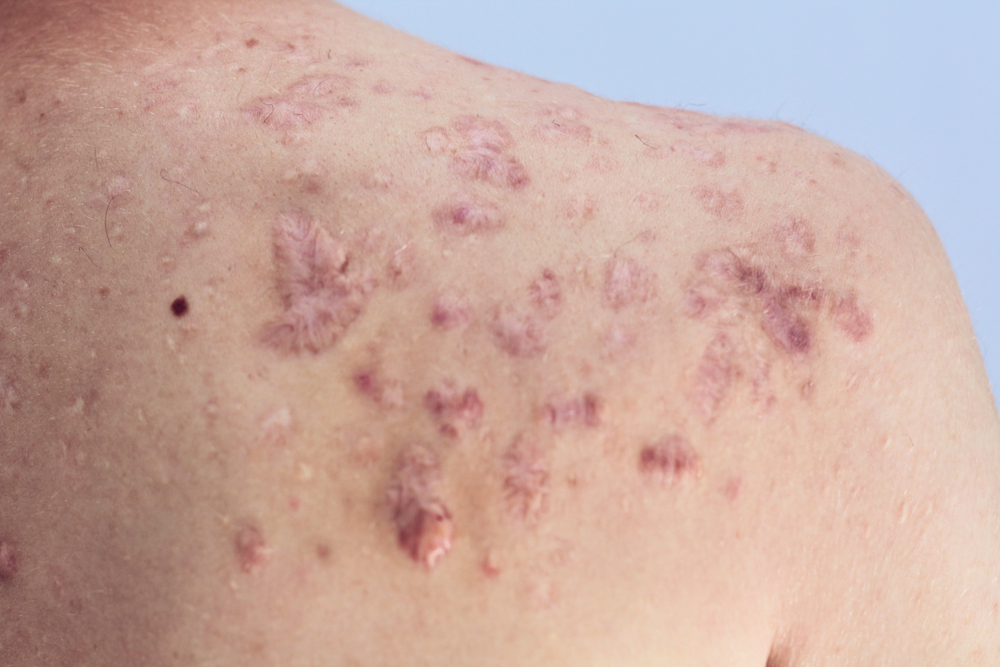
Atrophic vs. Hypertrophic Scars: Causes and Treatments
Not all scars look or behave the same way, and understanding the type of scar you’re dealing with is the first step toward effective treatment. Atrophic scars are sunken or pitted and form when the skin doesn’t produce enough collagen during healing, whereas hypertrophic scars are raised and thickened, caused by an overproduction of collagen…

Non-Surgical Facelift vs. Facelift: Which Is Right for You?
As we age, the face gradually loses the tight, lifted contours of youth. Collagen production slows, the skin loses elasticity, and gravity takes its toll — leading to sagging skin, deeper nasolabial folds, jowls along the jawline, marionette lines around the mouth, and fine lines and wrinkles throughout the face. For patients seeking to address…

Does Tretinoin or Retinol Help with Melasma?
Melasma is one of the most stubborn forms of hyperpigmentation, and patients dealing with it are often eager to know which topical treatments make a difference. Tretinoin and retinol, both vitamin A derivatives, are often recommended in a melasma skincare routine because they speed up skin cell turnover and help fade dark spots over time….

Cosmetic Procedures During Pregnancy: What’s Safe and What to Avoid
Pregnancy is one of the most exciting and transformative experiences in a person’s life, but it also brings a host of new questions — including what to do about your skincare and beauty routine. Many expectant mothers notice significant changes in their skin during pregnancy, such as melasma and hyperpigmentation, stretch marks, acne flare-ups,…
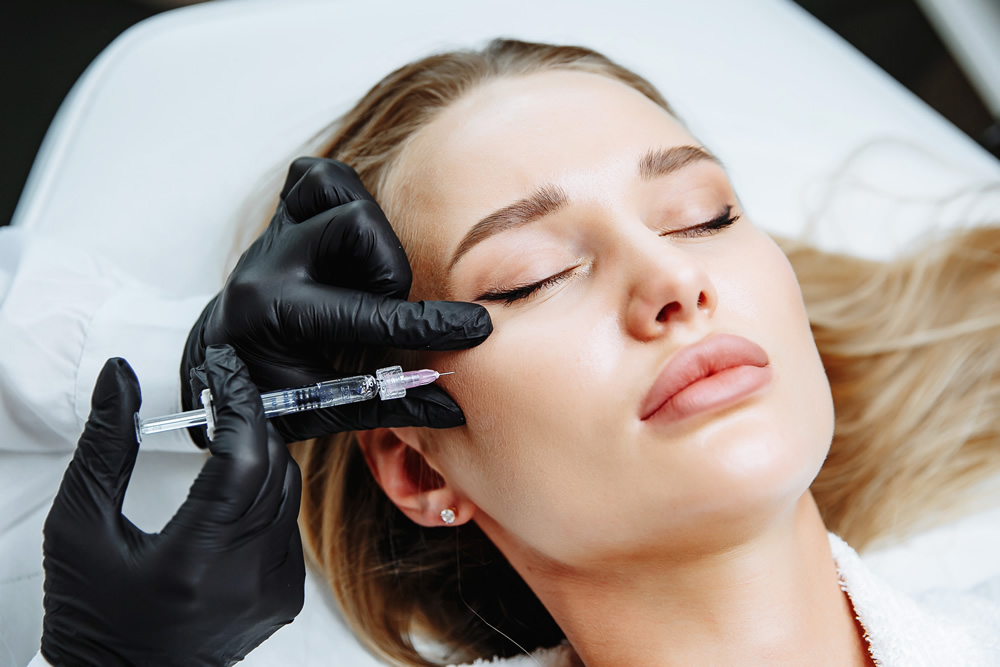
Are Dermal Fillers Safe?
Dermal fillers have become one of the most popular cosmetic treatments in the world, and for good reason. These injectable treatments offer a non-surgical way to smooth lines, restore volume, and refresh the face’s overall appearance, without the recovery time of surgery. Whether you’re looking to plump lips, soften nasolabial folds, or address under-eye hollowing,…

Melasma in Men: Why It’s Underdiagnosed and Undertreated
When people picture melasma, they usually picture a woman, often pregnant, often in her thirties. That mental image is so entrenched that when a man walks into a dermatology office with the same telltale brown patches across his cheeks and upper lip, he is often misdiagnosed as having sun spots, shaving-related dark spots, or simple…

Post-Summer Skin Reset: What to Prioritize Now and What to Wait On
After a summer full of beach days, poolside afternoons, and long hours outdoors, most people’s skin is dealing with the aftermath: dryness, dullness, uneven tone, and a fresh layer of sun damage. A post-summer skin reset undoes that damage and rebuilds a healthier foundation before the drier months of fall and winter set in. Between…

Collagen Banking: What It Is and Why Dermatologists Recommend Starting in Your 30s
Collagen banking is a term that has taken over skincare conversations and social media feeds, describing the practice of protecting and boosting collagen production. At the same time, the skin still has plenty to spare. Collagen is the body’s most abundant protein and a primary connective tissue that gives skin its elasticity and firmness. As…

Why Fall Is the Best Time to Start Laser Treatments
As summer fades and the days grow shorter, dermatology offices across New York City fill up with patients ready to reverse months of sun exposure and prepare their skin for the seasons ahead. September marks the unofficial start of laser season, the stretch of cooler temperatures and lower UV intensity that makes it the ideal…
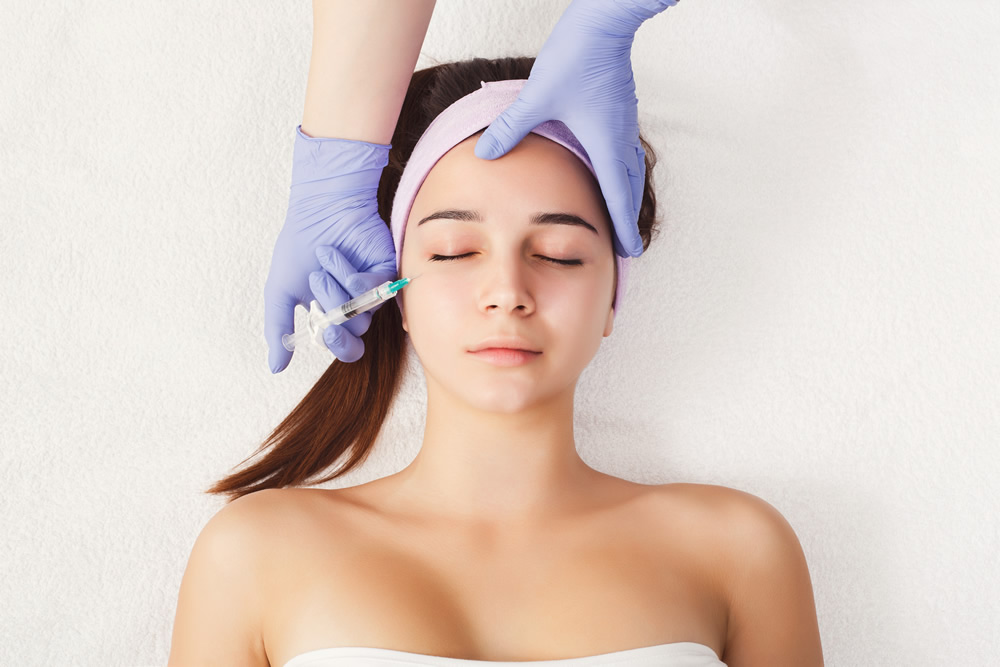
Sculptra Glow: A Radiant Phenomenon
When patients start talking about looking more “glowy,” more rested, and more youthful without surgery or obvious filler, Sculptra is usually at the center of the conversation. Unlike traditional dermal fillers that add volume to a targeted area right away, Sculptra works differently — it acts as a biostimulator, triggering your body’s natural collagen production…
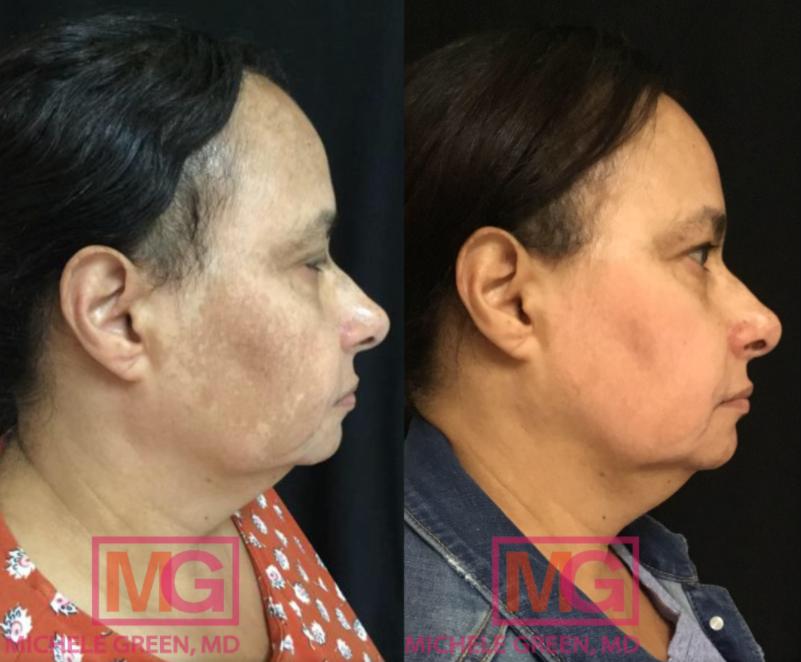
Seasonal Melasma: Why It Changes From Winter to Summer
Melasma is one of the most common pigmentary concerns in dermatology, causing brown or grayish-brown patches on the skin, most often on the cheeks, forehead, and upper lip. It develops when melanocytes, the pigment-producing cells in the skin, go into overdrive and produce excess melanin, leading to noticeable dark patches and discoloration. Because hormonal…
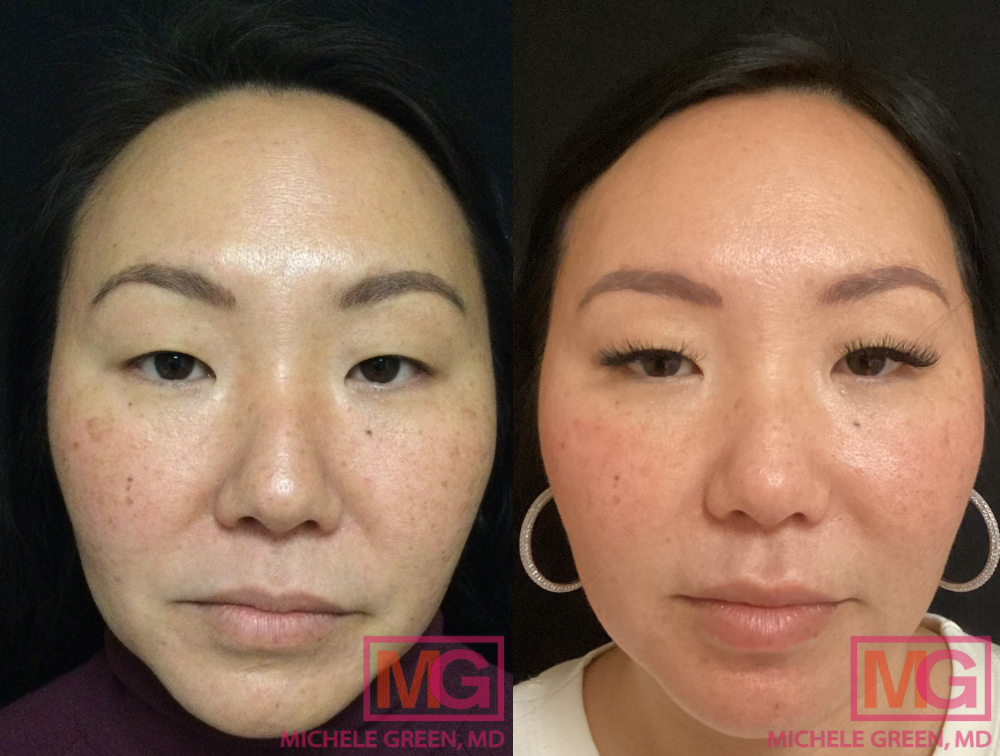
Nasolabial Fold Filler: Restoring Volume and Smoothing Smile Lines
Nasolabial folds, commonly called smile lines or laugh lines, are the natural creases that run from the sides of the nose to the corners of the mouth. While these lines are a normal part of facial anatomy, the natural aging process, combined with midface volume loss and a gradual decline in collagen and elastin production,…

XERF vs. Thermage: Which Skin-Tightening Treatment Is Right for You
When it comes to non-invasive skin tightening, XERF and Thermage are often compared. Both treatments use monopolar radiofrequency (RF) energy to stimulate collagen production and tighten sagging skin. As non-surgical skin-tightening options grow in popularity, patients are eager to understand which technology delivers superior results, a more comfortable experience, and longer-lasting improvements. Whether you are…
Why Does Melasma Come Back?
Melasma is one of the most persistent forms of hyperpigmentation a patient can develop, appearing as dark patches or a darkened area across the cheeks, forehead, upper lip, and chin. It occurs when melanocytes, the pigment-producing cells in the epidermis, go into overdrive and produce excess melanin in response to triggers such as sun exposure,…
Skinvive and Skin Boosters: What They Are and Who They’re For
If you’ve been scrolling through your feed lately, you’ve likely seen dermatologists and patients alike discussing “skin boosters” and a new hyaluronic acid injectable called Skinvive. Unlike traditional dermal fillers, which add volume and reshape facial contours, this newer category of facial injections focuses on one simple goal: hydration. Rather than lifting or contouring, these…
Under Eye Filler vs. Tear Trough Surgery
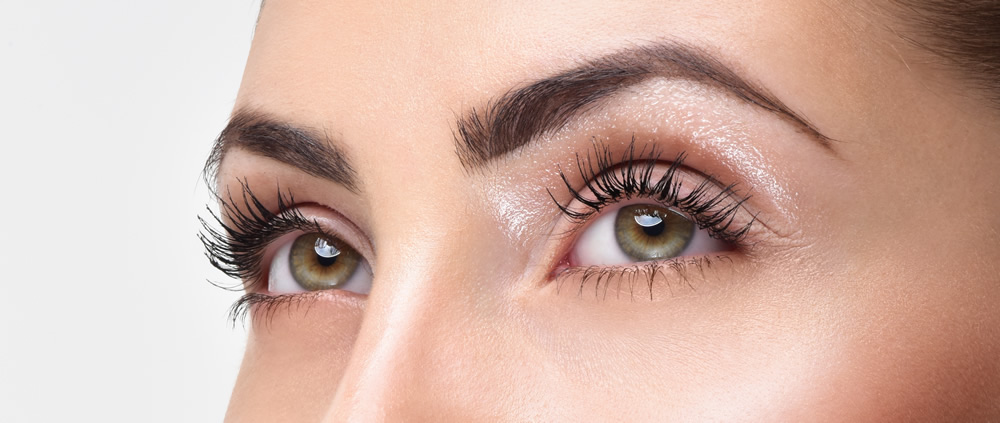
The under-eye area is one of the first areas to show signs of aging, fatigue, and volume loss, a common concern for patients seeking care from a cosmetic dermatologist. You might be dealing with dark circles, hollows, puffiness, or all three, and the range of treatment options can feel overwhelming. Two of the most sought-after…
Why Sunspots Appear Suddenly
One day your skin looks clear, and the next you notice a new brown mark on your cheek, hand, or chest that definitely wasn’t there before. Sunspots, also called age spots, liver spots, or solar lentigines, are flat patches of hyperpigmentation that develop when melanocytes, the pigment-producing cells in the skin, go into overdrive after…
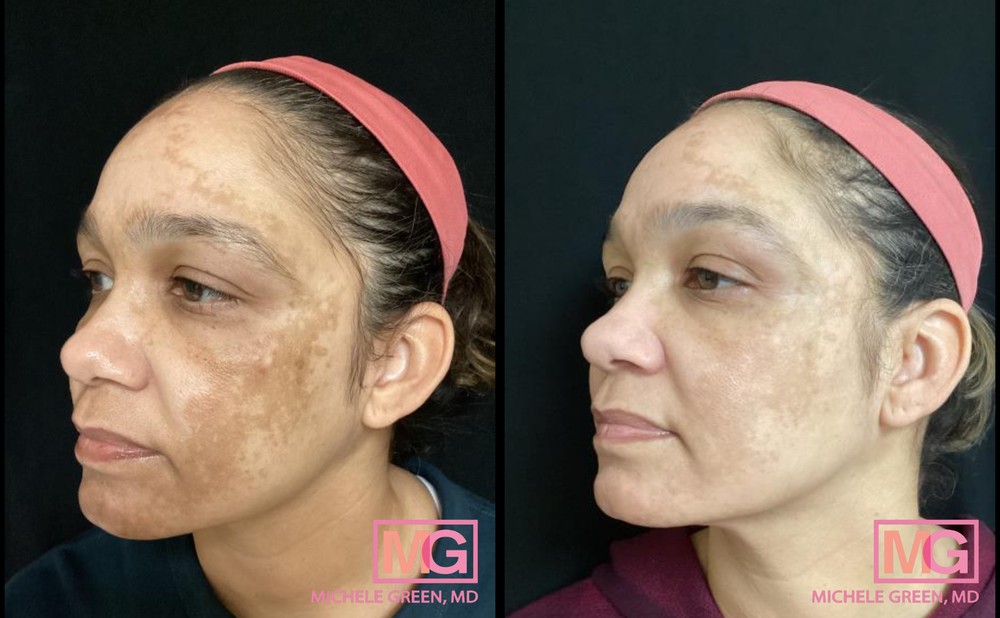
Hormonal Melasma: Causes, Triggers, and Treatment Options
Melasma is one of the most common forms of facial discoloration, and for many patients, it has a distinctly hormonal fingerprint. Unlike sun spots, which develop gradually from years of cumulative UV exposure, hormonal melasma often appears seemingly overnight during pregnancy, after starting a new birth control method, or during perimenopause. It tends to show…
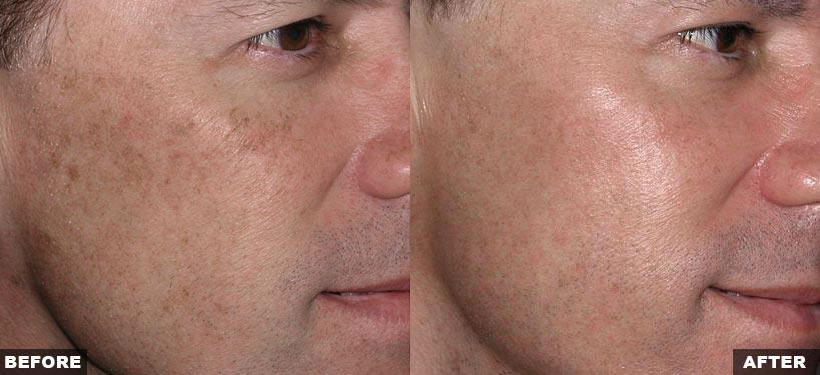
Sunspots vs. Freckles: What’s the Difference?
If you’ve ever glanced in the mirror and noticed a cluster of small brown spots on your nose or a flat, tan mark on the back of your hand, you’ve probably wondered whether you’re looking at a freckle or a sunspot. While both are forms of hyperpigmentation, in which excess melanin makes the skin appear…
Is Accutane Safe?
More than 50 million Americans struggle with acne breakouts, making acne vulgaris the most common skin condition in the United States. While many acne treatments are available over the counter, some breakouts resist standard care, particularly cystic and nodular acne, as well as pimples that remain red, swollen, and tender, often leading to acne scars….