


Are Freckles Sun Damage?
Freckles are small, flat, light brown spots that appear on the skin due to an overproduction of melanin, the pigment responsible for skin, hair, and eye color. Freckles are usually inherited genetically and are triggered by UV exposure. They darken with sun exposure and often lighten when UV levels decrease. With repeated and prolonged sun exposure, these superficial freckles can grow larger, deepen, and become more persistent, eventually developing into sun spots, also known as solar lentigines. Sun spots form after years of cumulative UV damage and typically do not fade during winter. Exposure to harmful UV rays can boost melanin production, leading to the development or darkening of freckles. Although freckles are harmless and don’t require treatment, many people choose to have them removed for cosmetic reasons. Dr. Michele Green in New York City offers various treatments to safely and effectively treat freckles in patients of all skin types and tones.
Dr. Michele Green utilizes the most cutting-edge treatments for removing freckles, including lasers, chemical peels, and targeted topical treatments. Lasers like Fraxel Dual, Clear + Brilliant, and AlexTrivantage target hyperpigmentation by destroying melanin in the dermal layer of skin. Chemical peels are a popular cosmetic procedure because they remove the outer layer of skin, gradually lighten dark spots, and brighten the skin. Topical treatments include hydroquinone, which helps reduce various types of hyperpigmentation, and retinol, which boosts skin cell turnover, helps resurface the skin with a lighter tone, and diminishes the appearance of dark spots. The most important step in freckle treatment is practicing proper sun protection in order to avoid worsening or recurrence of freckles. To find the best treatment or combination for you, consult with a board-certified dermatologist, such as Dr. Michele Green.
Dr. Michele Green is an internationally recognized, board-certified dermatologist with over 25 years of experience providing some of the world’s most discerning individuals with top non-invasive cosmetic procedures, including sun spot treatment. Dr. Green takes a holistic approach and adheres to a less-is-more philosophy when it comes to skin rejuvenation, customizing each patient’s treatment plan to match their specific skin condition and aesthetic goals. She is regularly ranked as one of New York City’s top dermatologists by Castle Connolly, New York Magazine, Super Doctors, and The New York Times due to her dedication to her patients and expertise in the field. When you consult with Dr. Green at her private dermatology practice in Manhattan’s Upper East Side about age spot removal, she will work with you to create a personalized plan to help you achieve and maintain optimal rejuvenation results so you can look and feel like the best version of yourself.

Freckles, Age Spots, and Sun Damage
Freckles are small, flat, light brown, harmless marks, often inherited, that appear during youth and can fade with the seasons. Age spots, also known as solar lentigines, are larger, permanent, dark brown spots that develop from cumulative sun damage, usually in adulthood. Freckles often fade with less sun exposure, while age spots stay visible year-round as a result of deeper, long-term sun damage. Sun damage refers to the overall effects of ultraviolet (UV) radiation on the skin, which can cause freckles, age spots, wrinkles, loss of elasticity, and other pigmentation changes. Although they may look similar and fall under the umbrella of hyperpigmentation, it is best to consult a board-certified dermatologist if you notice any new spots to rule out skin cancer.
Are freckles genetic or sun damage?
Freckles are mainly a genetic trait, but they can appear and darken with sun exposure. They result from a variation in the MC1R gene, which affects melanin production in the skin. People with this gene variation are more likely to develop freckles, especially those with fair skin, red or blonde hair, and light-colored eyes. While freckles are mostly inherited, sun exposure can cause their appearance or make them more prominent. UV rays from the sun stimulate melanin production, which can lead to the formation of new freckles. That is why freckles often become more noticeable during summer or in areas with direct sunlight. Freckles are generally harmless, but it is essential to wear sunscreen and protect your skin, as sun exposure can cause freckles to darken and lead to skin damage. If you notice an unusual spot and are unsure if it is a freckle, it is best to consult a board-certified dermatologist.
How to get rid of sun freckles on the face?
To reduce the appearance of sun freckles, various cosmetic treatments are available, such as chemical peels that gradually lighten pigmented spots and laser therapies like Fraxel, Clear + Brilliant, and AlexTrivantage, which target melanocytes that produce the pigmentation. Topical options, such as retinoids and hydroquinone, can also help by increasing skin cell turnover and reducing melanin production. While these treatments are highly effective at fading brown spots and sun freckles and improving skin tone overall, they can also raise your photosensitivity over time. Therefore, when undergoing these procedures, it is crucial to avoid sun exposure entirely. This includes using a broad-spectrum sunscreen with an SPF of at least 50, covering exposed skin with clothing, and wearing a wide-brimmed hat. To determine which treatments are best suited for you, it is advisable to consult a board-certified dermatologist.
Can a laser remove sun freckles?
Yes! Lasers can effectively lighten or remove freckles and sun spots by targeting excess melanin in the skin. At Dr. Michele Green’s NYC private dermatology office, the Fraxel Dual, Clear+Brilliant, and AlexTriVantage lasers are among the most popular treatments for sun-induced pigmentation. These devices deliver precise bursts of light energy that are absorbed by melanin in the targeted area, breaking it into tiny particles that the body gradually eliminates. Freckles, which are superficial pigment spots, often respond quickly to gentler laser settings, while deeper or more persistent sun spots may need multiple sessions. The choice of laser and energy level depends on skin type and pigmentation depth, so it is important to have treatment performed by an experienced, board-certified dermatologist. Dr. Michele Green carefully customizes each laser protocol to safely treat both freckles and sun spots while preventing post-inflammatory hyperpigmentation.
The Best Treatment to Remove Sun Freckles
The best treatment for sun freckles depends on your skin type and the severity of your pigmentation. There are many options available, and it is best to consult with a board-certified dermatologist, such as Dr. Green, to choose the most effective treatment for pigmentation. Depending on your skin tone, different lasers might be used. The most common lasers for treating sun spots and freckles at Dr. Green’s office are the Clear + Brilliant, the Fraxel Dual laser, and AlexTrivantage. Other treatments include chemical peels and topical lotions containing hydroquinone, which is a bleaching agent.

Fraxel Dual Laser
The Fraxel Dual laser treatment was among the first fractionated lasers approved by the FDA for treating sun-related skin damage, such as freckles, uneven pigmentation, and sun spots. It works at two wavelengths: 1927nm for targeting freckles, sunspots, liver spots, and other discolorations, and 1550nm for addressing acne scars, fine lines, wrinkles, and rough texture. The laser creates thousands of tiny, controlled injuries in the skin to stimulate the natural healing process and increase collagen production, encouraging the growth of new, smooth skin cells. When using the 1927nm setting, the Fraxel Laser targets and destroys melanin in pigmented cells without damaging the surrounding skin. As a result, Fraxel Lasers are most suitable for patients with lighter skin tones, as they lower the risk of unwanted side effects in darker skin. Depending on the level of pigmentation, sunspot severity, and overall sun damage, you may need three Fraxel laser sessions to remove unwanted pigmentation fully. Each session should be spaced about one month apart to achieve the best cosmetic results.
Clear + Brilliant Laser for sun damage
Clear + Brilliant® is a non-ablative, non-invasive laser created by Solta Medical, the maker of the Fraxel® laser. It is often referred to as the “mini-Fraxel” because it delivers results like those of the Fraxel laser without the downtime typically associated with traditional laser resurfacing. Clear + Brilliant is a gentler laser that can be used on all skin types and tones, from light to dark. Clear + Brilliant utilizes fractional laser energy to create thousands of tiny injuries in the skin, triggering the body’s natural healing process, including skin cell renewal and collagen production. Collagen gives skin structure, firmness, and a youthful appearance. This technique helps shed superficial skin cells that have sun and age spots, making space for new, healthy skin with an even tone and texture. With each treatment, visible signs of aging such as fine lines and dark spots decrease.
Alex Trivantage Laser for sun spots
The Alex Trivantage Laser is a Q-switched laser that uses three different wavelengths—532nm, 755nm, and 1064nm—to treat benign pigmented lesions and unwanted tattoos. These wavelengths are absorbed into the skin as light energy, breaking down excess pigmentation in skin cells. Treatment with the Alex Trivantage laser can help fade pigmentation and remove unwanted tattoos, revealing new, healthy skin for a refreshed appearance. This laser is non-invasive, safe, and effective, making it a popular choice for removing pigmentation. The procedure involves minimal downtime, allowing you to resume your daily activities safely and securely.

Intense Pulsed Light Therapy (IPL) for age spots
IPL therapy, also known as photorejuvenation or flashlamp therapy, is a distinctive cosmetic option for skin rejuvenation. IPL uses multiple wavelengths to emit a burst of light to targeted areas of the skin. Because IPL has more than one wavelength, it can treat visible damage caused by excessive sun exposure, such as sun freckles and sun spots. Usually, an initial series of IPL treatments is required to achieve optimal cosmetic results. After that, many patients have regular maintenance sessions to sustain their improvements. With minimal downtime or side effects, IPL is an excellent choice for patients seeking clear, radiant skin.
Chemical Peels for treating sun damage
Chemical peels work through the topical application of a chemical solution made up of different acids, which react with dead skin cells and debris on the skin’s surface to exfoliate it. Depending on the depth of the peel, the acid solution can penetrate the dermal layer to stimulate deeper regeneration of the epidermis. The interaction between the chemical solution and the skin causes controlled damage to the epidermis and dermis, triggering the body’s healing response and promoting the growth of new skin cells. This results in brighter, more evenly textured skin. The new skin layer that appears after resurfacing enhances skin tone by reducing the appearance of discoloration and hyperpigmentation, including freckles and age spots caused by sun exposure and damage.
Microneedling for skin lightening
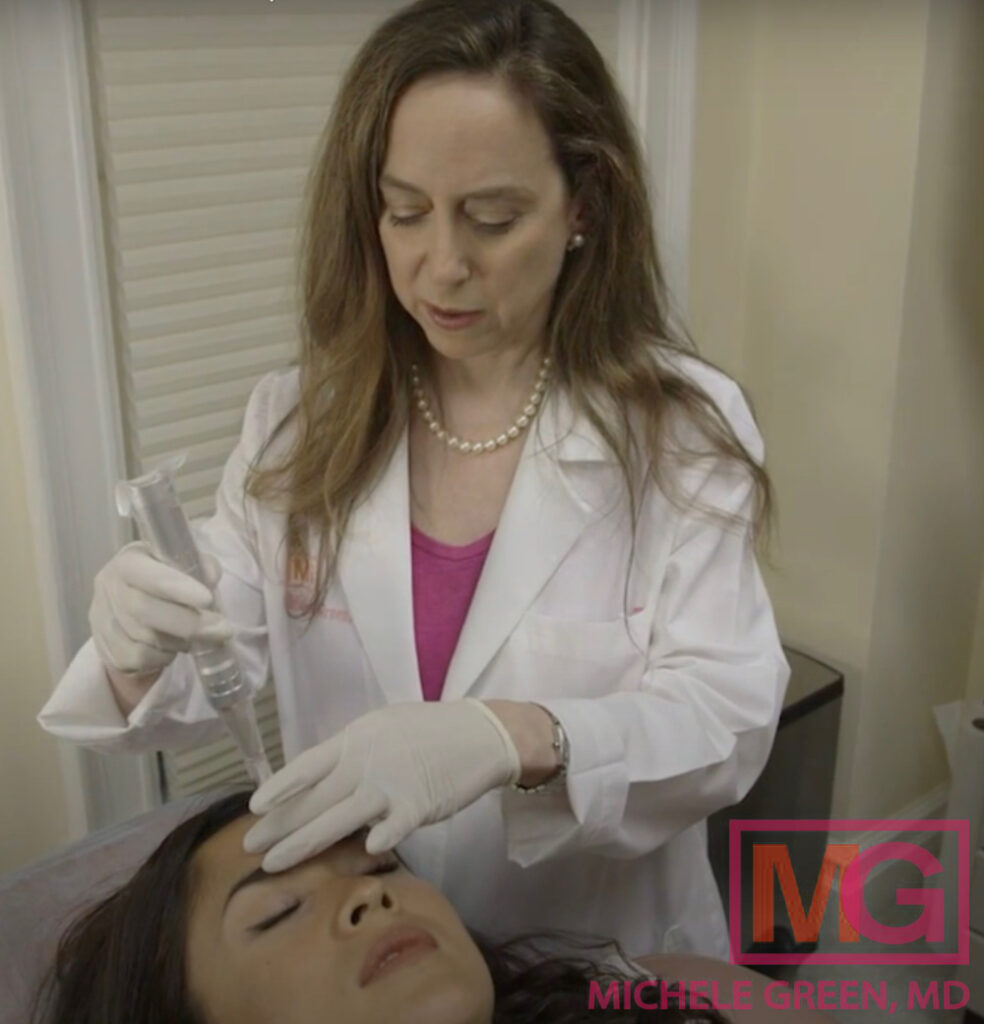
Microneedling, also known as collagen induction therapy, is a minimally invasive treatment in which a healthcare provider uses a microneedling device equipped with tiny, sterile needles to create micro-punctures in the skin’s surface. This process triggers the body’s natural wound-healing response, leading to the production of new collagen. Collagen is a vital protein that helps maintain the skin’s firmness, smoothness, and youthfulness. Patients looking to treat unwanted skin pigmentation and improve uneven skin tone can benefit from combining their microneedling treatment with a topical depigmenting serum. Whether addressing melasma, sun damage, post-inflammatory hyperpigmentation, or other pigmentation issues, microneedling with a depigmenting serum provides a safe and effective way to achieve a more even complexion.
Do freckles come back after removal?
After getting freckles or sun spots removed, they can reappear if there is ongoing sun exposure and may even worsen. While treatments like the Fraxel Dual laser, AlexTrivantage, and chemical peels effectively remove hyperpigmentation on the face, consistent sun protection—including daily sunscreen use, wearing hats, and seeking shade—is essential to maintain results and prevent new freckles from forming. Laser treatments do not change your genetic predisposition. While they can remove existing melanin deposits, they cannot stop the development of new freckles, which are triggered by UV radiation. To preserve the results after treatment, you must regularly use a broad-spectrum SPF 50 and reapply it every 2 hours. Additionally, wear protective clothing and hats, and stay in the shade.
Does sun damage cause freckles?
Yes. Freckles typically appear in genetically predisposed individuals, but they can also result from prolonged exposure to the sun. Also called ephelides, freckles form due to the overproduction of melanin, the pigment responsible for skin color, in response to ultraviolet (UV) radiation from the sun. When UV rays penetrate the skin, they can damage melanocytes, the cells responsible for producing melanin. This damage often causes an increase in melanin, leading to the formation of freckles. Individuals with fair skin, light hair, and blue or green eyes are more prone to developing freckles due to their heightened sensitivity to UV radiation. It is essential to remember that freckles are generally harmless; however, excessive sun exposure can lead to the development of more freckles and other skin issues, such as sunspots and skin cancer. To protect your skin, wear sunscreen, avoid sunburn, and stay in the shade during the peak hours of UV radiation. If you notice new spots that concern you, it is best to consult a board-certified dermatologist, like Dr. Green, to examine the area and possibly perform a biopsy to rule out skin cancer.
Do I have freckles or signs of sun damage?
Freckles, also known as ephelides, are small, flat, reddish-brown spots that result from a genetic predisposition and increased melanin production in response to sun exposure, often fading in the winter. Sunspots, also called solar lentigines or age spots, are larger, darker, and more permanent patches of melanin that develop later in life due to cumulative, chronic sun damage. While freckles are a benign sign of melanin production, the presence of numerous sunspots indicates significant, accumulated sun damage and an increased risk of premature aging and skin cancer. If there is a rise of new spots on the skin, it is best to consult with a board-certified dermatologist, like Dr. Green, to rule out any possibility of skin cancer.
Are freckles permanent?
Freckles are not truly permanent because their appearance varies with sun exposure. They tend to darken with ultraviolet (UV) light and often fade when sun exposure decreases, especially during winter months. Over time, some freckles may become lighter or less noticeable with consistent sun protection and age, while others remain visible due to a genetic tendency to produce more melanin in response to UV radiation. With repeated and prolonged sun exposure, superficial freckles can deepen and merge, eventually forming larger, more persistent sun spots, also known as solar lentigines. These sun spots do not fade seasonally and are considered a more permanent sign of cumulative sun damage. For those who want to lighten their freckles, treatments like laser therapy, chemical peels, and topical brightening agents can be highly effective when combined with daily use of a broad-spectrum sunscreen.
Do freckles mean skin damage?
Freckles are an indicator of sun damage, as they are a product of repeated sun exposure. Excessive sun exposure can make freckles more prominent. Individuals with fair skin, red hair, and light-colored eyes are more likely to develop freckles. Individuals with a genetic predisposition to freckles are also particularly sensitive to the sun’s effects. To prevent sun damage, it is important to protect your skin by applying a broad-spectrum SPF of at least 30 and wearing a hat to reduce excessive sun exposure.
How to Get Freckles Without Sun Damage?
Freckles form when the skin produces more melanin in response to ultraviolet (UV) light, so it is not possible to develop natural freckles without some sun exposure. Intentional UV exposure increases the risk of premature aging, sun spots, and skin cancer, making it safest to avoid using sunlight or tanning beds to create freckles. Instead, cosmetic options can mimic the look of freckles by using products designed to draw realistic freckles that wash off easily. For those who want a longer-lasting result, semi-permanent freckle tattooing can be done by a licensed professional. These cosmetic methods give the appearance of natural freckles while protecting the skin from harmful UV rays and preventing future sun damage.
Do freckles turn into sun spots?
Freckles and sun spots are related but not identical types of pigmentation. Freckles are small, superficial spots that appear early in life and darken with sun exposure, often fading during the winter months. They develop when existing melanocytes temporarily produce more melanin in response to ultraviolet (UV) radiation. With repeated and prolonged sun exposure over the years, these superficial freckles can become larger, darker, and more persistent, gradually turning into deeper, permanent sun spots. Sun spots form when chronic UV damage causes structural changes in the skin and an increased number of melanocytes in the basal layer. Unlike freckles, sun spots stay visible all year and indicate long-term sun exposure that gradually alters the skin’s pigment and texture. Both freckles and sun spots are types of sun-induced pigmentation, and daily sun protection is crucial to prevent new spots from forming or existing ones from darkening.
How to lighten sun freckles naturally?
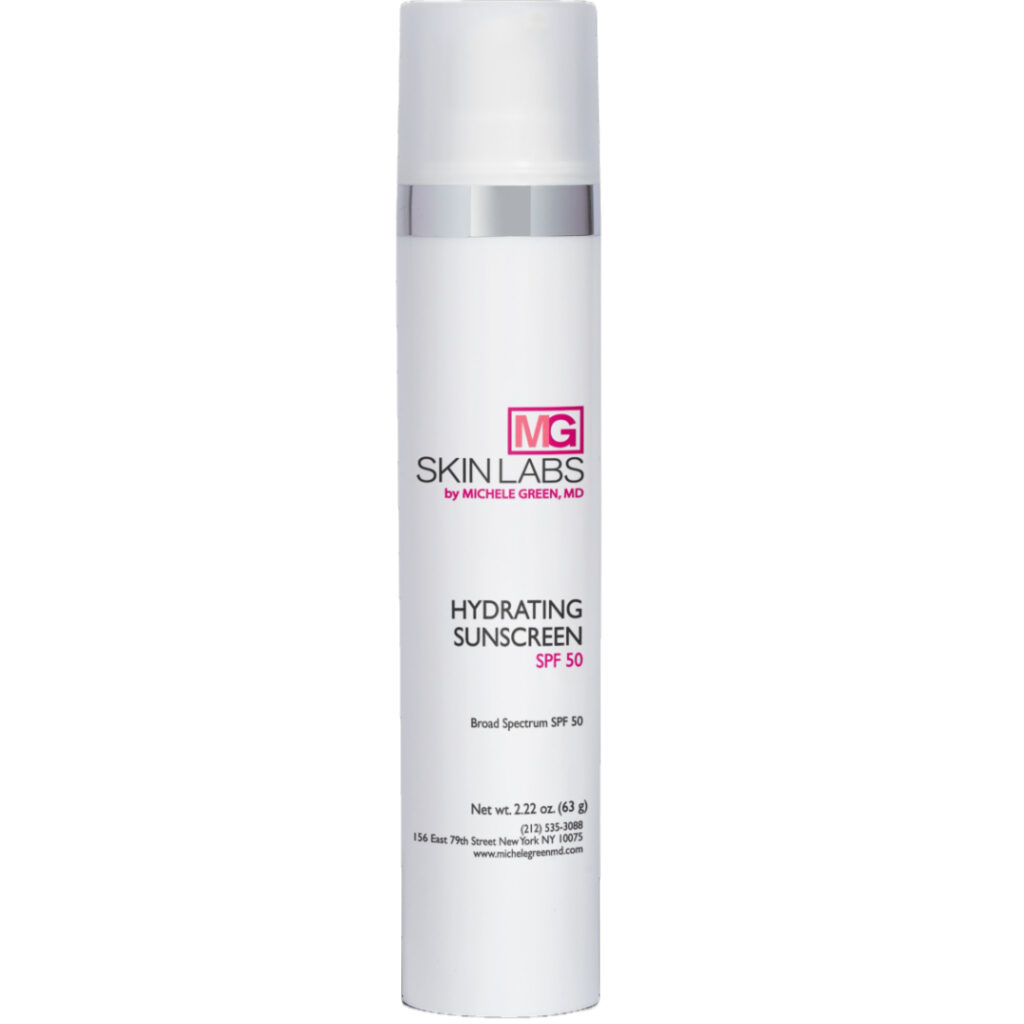
To help reduce the appearance of sun freckles, it is essential to incorporate antioxidants and skin-brightening ingredients into your skincare routine. Dr. Michele Green has created her own line, MGSKINLABs, featuring products designed to benefit individuals with hyperpigmentation. She recommends using a vitamin C serum daily, as it is a powerful anti-aging treatment for skin showing changes in texture, color, and tone. This serum promotes skin cell renewal and supports collagen production, making it an ideal choice for individuals with brown or red spots. Its strong antioxidant properties also help neutralize harmful free radicals. Dr. Green’s Essential Antioxidant Infusion, a retinol formula, can further benefit the skin by stimulating collagen and delivering high concentrations of vitamins A, C, E, and other nutrients to exfoliate, renew, and restore skin overnight. She also offers a Skin Brightening cream with kojic acid and fruit extracts to lighten and rejuvenate dark skin. While all these products can help fade hyperpigmentation, it is crucial to use her Hydrating Sunscreen SPF 50 as well. These products increase photosensitivity and protect the skin from further sun damage, which can help prevent the darkening of freckles and hyperpigmentation. To develop the best skincare routine for your skin type, consult with Dr. Green for personalized advice.
Does sunscreen prevent freckles?
Freckles are not present at birth, but develop over time due to sun exposure in people who are genetically predisposed. Those with lighter skin tones, red or blonde hair, and light-colored eyes are more likely to get freckles because their skin makes more melanin in response to ultraviolet rays. Although sunscreen cannot completely stop freckles in those who are prone to them, using a broad-spectrum SPF 50 sunscreen regularly can significantly cut down on UV-driven melanin production and prevent new freckles from forming. Sunscreen also helps protect existing freckles from darkening and reduces the risk of other sun-related skin issues, such as sun spots, premature aging, and skin cancer. Daily sun protection, wearing hats, and covering exposed skin remain the most effective ways to reduce the appearance and development of freckles.
How long do freckles last?
Freckles are not permanent and can change in appearance over time. They often darken with sun exposure during spring and summer and fade or lighten in winter when UV levels are lower. People who regularly use sunscreen and limit their sun exposure may see their freckles fade significantly or become barely visible. However, the genetic tendency for freckles means they can reappear or darken again with renewed sun exposure. There is no fixed duration for how long freckles last. Some may fade within months, while others may persist for years if exposed to the sun regularly. Although they may be less noticeable with reduced sun exposure, they rarely disappear completely. With repeated, prolonged exposure to ultraviolet light over many years, some freckles can deepen and turn into sun spots, which are more persistent and usually do not fade with the seasons. For those who want to lighten their freckles more quickly, treatments like laser therapy, chemical peels, or topical brightening agents can help even out pigmentation. Still, ongoing sun protection is essential to maintain the results.
Do freckles get darker with sun exposure?
Yes, freckles tend to darken when exposed to sunlight. The ultraviolet rays stimulate melanocytes, the cells that produce melanin, to create more melanin in areas with freckles. This increased melanin causes the freckles to become darker. To help prevent the darkening of freckles, it is important to apply broad-spectrum sunscreen with an SPF of 30 or higher daily, reapply as needed, and wear protective clothing such as a hat and sunglasses.
Does vitamin C help sun freckles?
Yes! Topical Vitamin C can help fade the appearance of freckles and sun spots caused by sun exposure. Vitamin C is an antioxidant nutrient that neutralizes free radicals, which can damage skin cells and accelerate aging. Topical vitamin C encourages collagen production, making the skin firmer, more elastic, and supple and bouncy. For sun freckles, vitamin C helps reduce hyperpigmentation and dark spots, resulting in a brighter, more even complexion. An excellent vitamin C serum is the one from MGSKINLABs, which can be used both day and night to help brighten the skin.
Why do freckles get darker in the sun?
Freckles darken in the sun due to the increased production of melanin, the pigment that gives skin its color. When UV rays from the sun penetrate the skin, they stimulate the production of melanin in specialized cells called melanocytes. In individuals with freckles, melanocytes produce more melanin in response to UV exposure, leading to the darkening of freckles. To minimize the darkening of freckles, it is essential to protect the skin from UV radiation by wearing sunscreen daily with an SPF of 50, reapply every 2 hours, covering exposed skin with clothing or a hat, and avoiding sunbathing and tanning beds.
When to seek help from a dermatologist for your sun damage?
Many people wonder, “Do freckles mean skin cancer?” Freckles are usually harmless and don’t immediately indicate skin cancer. However, excessive sun exposure can also cause other skin issues, such as sunspots and skin cancer. Melanoma, the most severe form of skin cancer, develops in melanocytes —the cells responsible for producing melanin. Skin cancer results from ultraviolet radiation from the sun or tanning beds; therefore, it’s essential to follow proper sun protection measures by using a broad-spectrum SPF of 50 and wearing protective clothing. If you notice any new or changing moles, it’s important to consult a board-certified dermatologist, such as Dr. Green, to rule out any possibility of skin cancer.
How do I get started with treatment for sun damage today?
Freckles are small, flat, usually light brown spots on the skin caused by an overproduction of melanin, the pigment responsible for giving skin, hair, and eyes their color. They are often inherited and more common in people with fair skin and light hair. Sun exposure from UV rays stimulates melanin production, leading to the formation of freckles. While freckles are usually harmless and don’t require treatment, cosmetic options such as topical creams, laser therapy, and chemical peels can help lighten these spots. It’s best to avoid the sun to prevent freckles from darkening or new ones from forming. Although harmless, if skin cancer, such as melanoma, runs in your family, regular skin checks are recommended to remove any potential malignant spots. To find the most suitable treatment or combination of treatments for you, consult with a board-certified dermatologist, such as Dr. Michele Green.
Dr. Michele Green is an internationally renowned board-certified dermatologist in NYC with over two and a half decades of experience providing some of the world’s most discerning individuals with the best non-invasive cosmetic procedures, including sun freckle and sun spot treatments. Dr. Green takes a holistic approach and embraces a less-is-more philosophy regarding skin rejuvenation, customizing each patient’s treatment plan to include a unique combination of in-office procedures and specially formulated skincare products best suited to their skin concerns and aesthetic goals. She is consistently recognized as one of New York City’s top dermatologists by Castle Connolly, New York Magazine, Super Doctors, and The New York Times for her dedication to her patients and expertise in the field. To get started with your personalized sun spot treatment plan with Dr. Green, schedule a consultation by calling the NYC office at 212-535-3088 or contacting us online today.


