


Microneedling for Wrinkles
The microneedling procedure has become one of the most popular anti-aging treatments for patients who want to improve the appearance of wrinkles and support healthy skin as they age. It is often chosen by those who are starting to notice small lines around the eyes or mouth, and it helps keep their skin looking smooth and well cared for over time. The procedure can enhance the skin’s surface and deeper layers of skin, help soften marks from past breakouts, and address uneven or tired-looking areas. Many patients notice their skin appears more vibrant weeks after treatment. Another benefit is that microneedling does not require major changes to a patient’s schedule. Healing is quick, and most people return to their usual routine by the next day, making it an attractive treatment option for busy individuals seeking to refresh their appearance without a lengthy recovery. Microneedling can also be easily combined with other cosmetic treatments if patients want a more noticeable change in specific areas.
Microneedling encourages the skin to naturally renew itself safely. During treatment, tiny sterile needles move across the skin’s surface while a serum, such as hyaluronic acid, is applied to help the device glide smoothly. This process promotes the replacement of old or damaged cells over time, leading to a smoother, more even appearance. As the skin continues this renewal process over the following weeks, fine lines become less noticeable and overall skin quality steadily improves. Microneedling is also effective for addressing various skin issues often associated with wrinkles, such as uneven tone, rough texture, and enlarged pores. Since it doesn’t involve heat or light, it is suitable for many skin types, making it a versatile procedure that can be customized to meet each individual’s needs.
Dr. Michele Green is an internationally recognized, board-certified dermatologist with over 25 years of experience providing advanced non-surgical skin treatments, including microneedling for facial rejuvenation. She advocates for a thoughtful, less-is-more approach, tailoring each treatment plan to the patient’s unique skin concerns, skin type, and aesthetic goals. Dr. Green is consistently recognized by Castle Connolly, New York Magazine, and Super Doctors as one of New York City’s top dermatologists, showcasing her expertise and dedication to excellent patient care. When you visit her private dermatology practice on the Upper East Side, she will work with you to develop a personalized microneedling treatment plan and at-home skincare routine that helps you maintain healthy, youthful-looking skin at any age. Many individuals consider consulting a board-certified dermatologist or plastic surgeon when exploring cosmetic treatments, and Dr. Green’s extensive experience ensures that patients can receive advanced anti-aging procedures such as microneedling right in her Upper East Side office.
Types of Microneedling
Traditional Microneedling
Traditional microneedling focuses on improving the surface and overall skin quality. It helps soften fine lines, smooth uneven textures, and reduce the appearance of enlarged pores. Many patients opt for this treatment when they notice early signs of skin aging or want to stay looking fresh as they grow older. It provides noticeable results without altering the natural structure of the face, making it a good addition to a regular skin care routine. Traditional microneedling uses hyaluronic acid serum, which enhances skin hydration, and the microchannels created by the device facilitate better serum absorption.
Microneedling with Platelet-rich Plasma
Microneedling with platelet-rich plasma provides an extra boost in skin renewal. Platelet-rich plasma (PRP) is derived from a small sample of the patient’s own blood and contains concentrated growth factors. When used in treatment, it accelerates skin healing and can result in a brighter, more even complexion. This option is especially helpful for those dealing with discoloration, dullness, or under-eye concerns, as the platelet-rich plasma works with the skin to promote a healthier, more refreshed appearance. PRP can also be used for patients experiencing hair loss, as the growth factors can stimulate hair growth.
Microneedling with Radiofrequency
Radiofrequency microneedling is effective for targeting looser skin or lines that have become more noticeable over time. While the microneedling device creates microchannels on the surface, a controlled form of radiofrequency energy gently warms the deeper layers of the skin. This targeted heating can help improve areas where firmness has begun to decline. It is often recommended for the jawline, neck, and cheeks, where tightening and improved definition can rejuvenate aging skin.
How does microneedling work?
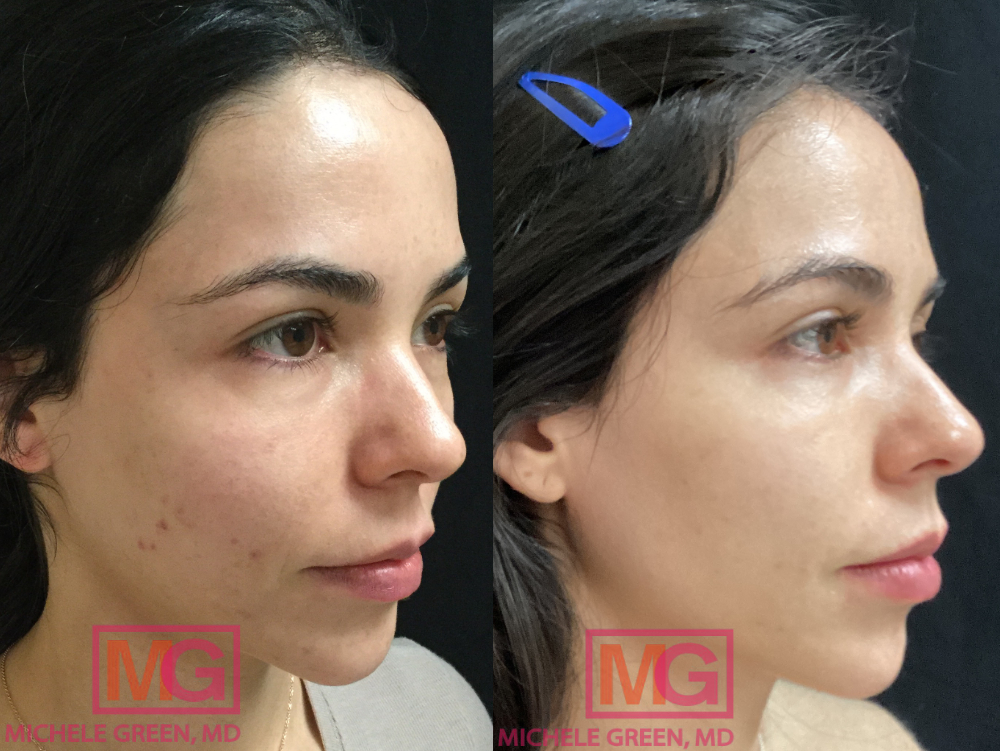
Microneedling uses very fine, sterile needles to create controlled microscopic injuries on the skin’s surface. These tiny channels signal the body to initiate its natural healing process, which stimulates the production of new collagen and elastin in the dermis, the deeper skin layer that provides structure and support. The microneedling procedure targets the skin layers where collagen forms, explaining why it can help maintain the structure and firmness that diminish with age. Collagen and elastin are proteins that keep the skin firm and smooth, but their levels decrease over time, leading to wrinkles, looseness, and uneven texture. As the skin heals after a microneedling treatment, it becomes healthier and looks smoother. The technique also boosts circulation and encourages cell turnover, which results in a brighter, more even complexion. This process helps the skin look more youthful as renewed collagen gradually enhances texture and firmness.
The treatment can be precisely tailored to target specific concerns, such as fine lines, visible pores, and skin that has lost smoothness due to sun damage or natural aging. It also enhances the effectiveness of medical-grade skincare products by allowing active ingredients to penetrate more deeply into the skin through microchannels. Over the following weeks, collagen production continues to increase, resulting in steady improvements in skin quality. Microneedling suits a wide range of skin types and tones, making it a popular choice for patients seeking noticeable rejuvenation with minimal downtime. When performed by a board-certified dermatologist, this treatment can help you achieve healthier-looking skin that feels smoother, appears firmer, and looks more even.
Does microneedling work for wrinkles?
Microneedling helps reduce wrinkles by enhancing the skin’s overall quality and strength. As collagen naturally declines with age, fine lines become more noticeable, and the skin begins to sag. Microneedling treatments stimulate the skin’s renewal process by boosting collagen production, resulting in a clear reduction in lines and early wrinkles. Patients often notice that their skin appears less creased around areas like crow’s feet and smile lines, and makeup applies more smoothly. The skin can look more refreshed as circulation and cell turnover improve. The tiny injuries caused by microneedling lead to a gradual increase in collagen, making the results look very natural. For those seeking to restore smoother skin while maintaining a consistent routine, microneedling is an effective option.
Can microneedling prevent new wrinkles from forming?
Microneedling cannot completely prevent wrinkles, but it can help slow their development. As skin ages, fine lines tend to appear more easily, especially around areas that move often. When added to a skincare routine, microneedling can make the skin look healthier and help maintain its appearance longer, making early signs less noticeable and less likely to worsen quickly. Some people choose it not only to treat existing fine lines but also to maintain a youthful appearance for as long as possible. It provides ongoing care and attention to the skin, which can greatly improve its smoothness as it ages over the years.
How many microneedling sessions are needed for wrinkles?
The number of microneedling sessions needed for wrinkles varies based on how visible the lines are and how the skin responds to treatment. Many start with a series of 3 to 6 sessions, spaced 4 to 6 weeks apart, to help improve fine lines and give the skin a smoother, firmer look. When wrinkles are more noticeable or when the skin begins to lose more elasticity, a few additional sessions may be recommended to boost collagen levels and better support the skin. Results develop gradually since collagen needs time to strengthen, so improvements continue to appear in the weeks after each session. After completing the initial series, occasional maintenance sessions help keep the skin looking fresh and supported. Natural aging doesn’t stop, and collagen can decrease again over time. A touch-up treatment once or twice a year can help preserve the progress already made and prevent wrinkles from becoming more pronounced. This steady approach allows patients to enjoy natural-looking rejuvenation that lasts and provides ongoing support for healthy, youthful skin.
What results can I expect from microneedling?
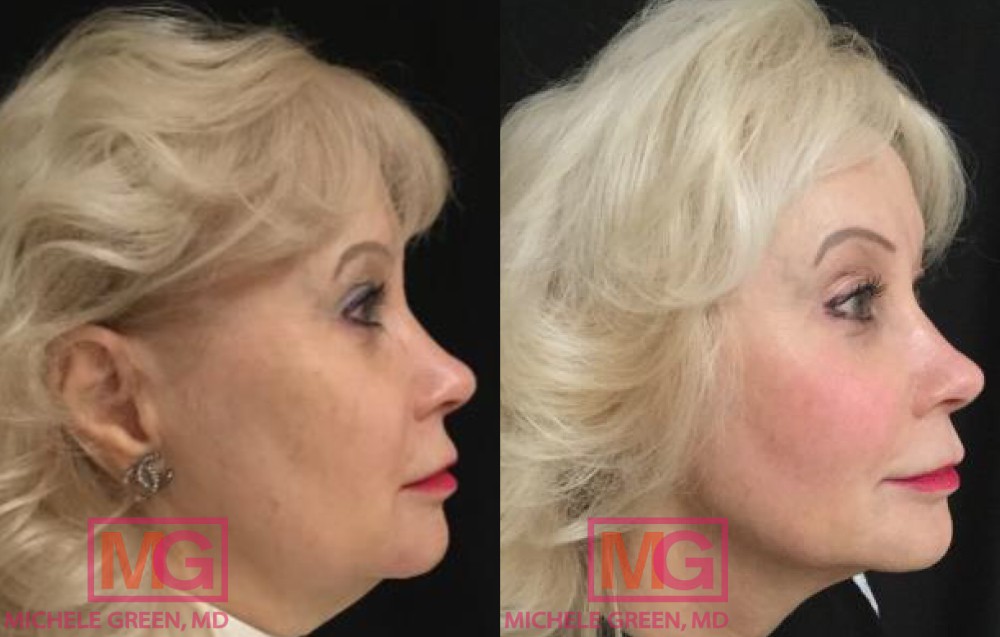
Microneedling results develop gradually as the skin renews itself. In the first few weeks, the skin may look smoother and feel more hydrated as circulation and cell turnover improve. As new collagen forms, fine lines soften and the skin’s surface appears more even. Most patients see optimal results after completing a full series of sessions, since each treatment builds on the progress of the previous one. Results continue to improve for several months, especially when microneedling is paired with a good at-home skincare routine. To help maintain these results over time, occasional maintenance sessions are recommended because natural aging continues. Patients often appreciate that the improvements look very natural since they come from the skin strengthening itself from within.
What are the Benefits of Microneedling
Microneedling provides many visible benefits for maintaining youthful skin. It can diminish the look of fine lines, even out uneven areas, and treat pigmentation issues like sunspots or discoloration. Many people also see improvements in old acne scars or other types of scars, as the treatment encourages the skin to become more uniform. Microneedling can also help reduce the appearance of stretch marks by stimulating new collagen production in areas where the skin has thinned or changed texture. Pores often look smaller, giving the skin a smoother appearance both under makeup and in natural light. One of the most valued benefits is that microneedling naturally boosts the skin without altering facial expressions or features. It is a versatile treatment suitable for different skin tones and easily fits into busy schedules thanks to minimal recovery time. It can also be combined with other cosmetic procedures such as chemical peels, Botox, fillers, or laser treatments for more comprehensive rejuvenation.
Who should not get microneedling?
Microneedling is not suitable for everyone, especially if certain medical or skin conditions are present. People with active infections, such as inflamed acne, cold sores, or bacterial or fungal infections, should wait until their skin has healed, as treatment can worsen the infection and spread it. Those with eczema, psoriasis, or other inflammatory conditions in the treatment area may experience irritation or increased symptoms. Individuals taking blood-thinning medications or with bleeding disorders face a higher risk of bruising, while patients prone to raised scars like keloids might not heal as expected. The treatment is also not recommended during or shortly after taking Accutane, since the skin is more sensitive then. Pregnant or breastfeeding women are often advised to delay microneedling sessions out of caution due to limited safety research. Consulting a board-certified dermatologist can help determine when microneedling is safe and appropriate, based on an individual’s health history.
Is microneedling safe for all skin tones?
Microneedling is a good option for many skin tones, including darker complexions. Unlike some laser treatments that target pigment and may increase the risk of discoloration in darker skin tones, microneedling creates controlled microchannels in the skin and does not rely on heat or light energy. This significantly reduces the risk of hyperpigmentation when performed by a trained dermatologist. Using proper technique, sterile equipment, and correct depth settings is essential to protect the skin and promote smooth, predictable healing. A professional evaluation helps ensure that the treatment plan is tailored to your unique features.
What is the process of getting a microneedling treatment?
The microneedling procedure begins with a consultation, during which Dr. Green evaluates your skin and discusses your goals. On the treatment day, a topical numbing cream is applied to the area for one hour to ensure comfort. Once the skin is numb, a handheld device equipped with very fine sterile needles is gently moved across the skin’s surface, often using hyaluronic acid or PRP as a lubricant to help the device glide smoothly and target specific skin concerns. Most patients describe the sensation as light pressure with mild prickling. The treatment creates microchannels in the skin, allowing for greater absorption of serums and enhancing their effectiveness.
Your skin might appear slightly pink or feel mildly sunburned for a day or two. Some dryness or gentle flaking can occur as your skin heals. You can resume most daily activities almost immediately, but avoid intense exercise, active skincare products, or direct sunlight for the first 24 hours. Over the following weeks, your skin gradually becomes smoother as new collagen forms and skin quality improves. Many patients choose a short series of treatments to achieve noticeable results, then follow up with occasional maintenance to maintain a healthy, youthful appearance.
What is the aftercare for a microneedling session?
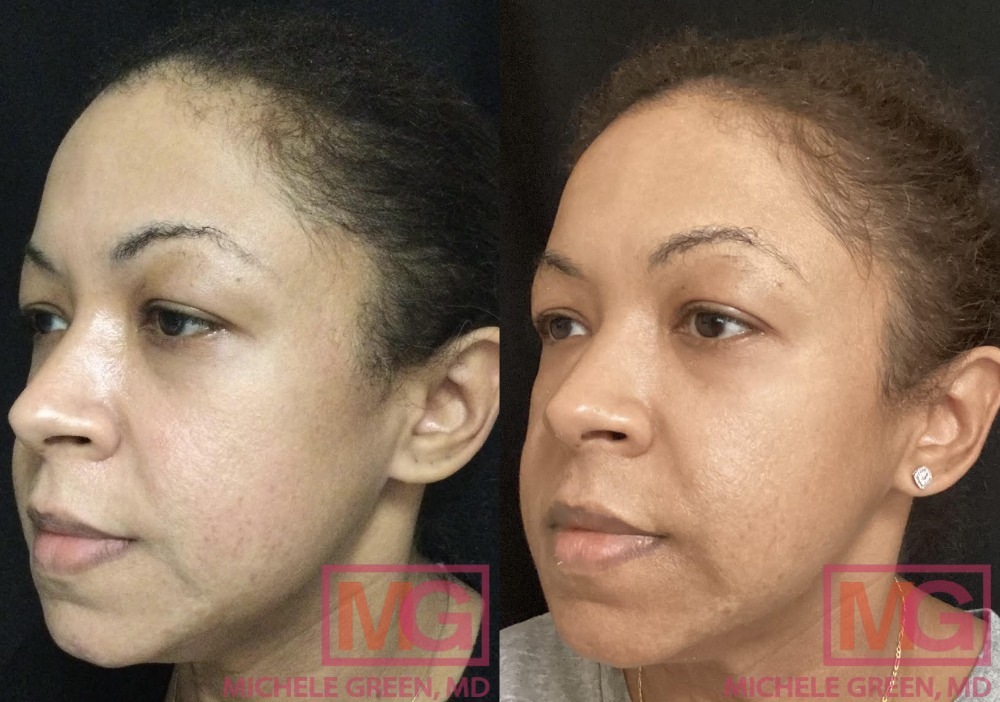
Post-treatment, the skin becomes more sensitive than usual, especially during the first day, so your skin routine should be simple and gentle. For the first 24 hours, it’s best to avoid cleansing to allow the full effects of hyaluronic acid or PRP to take hold. Avoid rubbing and applying pressure on the skin to prevent irritation and redness. During this period, you should not use scrubs, exfoliating pads, or any active ingredients. A light moisturizer can be applied to keep the skin hydrated during healing. Immediately after treatment sessions, avoid wearing makeup to allow the micro-injuries to heal properly. Patients should also avoid direct sunlight, hot showers, steam rooms, and intense exercise that causes heavy sweating, as all of these can irritate the skin and slow the healing process. Dr. Green advises patients to wear sunscreen with an SPF of 30 or higher, like MGSkinLabs Hydrating Sunscreen.
How long is the downtime after microneedling?
The downtime after microneedling is typically very minimal. Most people experience slight redness and sensitivity for the first day, similar to a mild sunburn. By the next day, the skin often appears more normal, though there may still be some dryness or flaking as it heals. Many patients feel comfortable returning to work or normal activities within 24 hours. Any visible signs of treatment tend to fade over the following days as the skin recovers. Full results will develop gradually over the coming weeks, but the noticeable downtime will remain brief. Dr. Green will explain what to expect based on the depth of your treatment and your individual skin type.
Frequently asked questions (FAQs) about Microneedling for Wrinkles
Is microneedling effective on wrinkles?
Microneedling effectively treats wrinkles caused by thinning skin, changes in texture, or early loss of elasticity. It strengthens the skin’s foundation, making lines appear softer and less noticeable. This makes microneedling a great choice for areas like the forehead, cheeks, and around the mouth, where repeated facial movements can accelerate aging. The treatment can also be combined with platelet-rich plasma (PRP) and radiofrequency, which further enhances skin tightening and wrinkle reduction. The versatility of microneedling allows it to be tailored to each person’s needs so that results can be adjusted and improved during follow-up sessions. Many patients notice their skin looks healthier, brighter, and more supported from within, giving their face a smoother, more youthful appearance.
How does microneedling work for wrinkles?
Microneedling reduces wrinkles by activating the skin’s natural repair process. The tiny needles create controlled micro-injuries on the skin’s surface. These micro-injuries signal to your body that new, stronger tissue is needed in that area. During healing, the skin produces new collagen and elastin, which are essential proteins that keep skin smooth and flexible. Over time, as these new support structures develop, deep lines become less noticeable. Microneedling also boosts the skin’s ability to renew itself daily, helping the face maintain a more youthful appearance as you age. The results don’t happen overnight; with a series of treatments, improvements occur gradually and naturally as your skin rebuilds itself.
What are the side effects of microneedling?
Microneedling is generally well tolerated, especially when performed by a board-certified dermatologist. Most side effects are mild and temporary. The skin may appear slightly pink or feel warm immediately after treatment, similar to a light sunburn. Some people experience mild swelling, dryness, or a tight feeling during the first few days as the skin heals. Light flaking may also occur as new skin cells replace the old ones. Makeup can usually be worn the next day once the skin feels comfortable again. Bruising is uncommon but can happen in more sensitive areas. Since tiny channels are created in the skin, keeping the area clean is essential to prevent irritation. More serious reactions are rare when the procedure is done correctly. Patients with certain skin conditions or active infections should wait until their skin is fully healthy before scheduling treatment. During your consultation, Dr. Green will review your medical and skin history and outline what to expect, ensuring a smooth, predictable healing process.
What is better for wrinkles, Botox or microneedling?
Botox and microneedling both help reduce wrinkles, but they work in different ways. Botox is most effective for lines that appear when you raise your eyebrows, squint, or frown. These expression lines can become permanent in the skin over time. When facial muscles are relaxed, these lines soften, and the skin looks smoother. Patients usually see improvements within a few days, making Botox a good choice for quick results or before a special event.
Microneedling enhances the skin’s overall appearance and texture. It stimulates the natural production of collagen and elastin, resulting in a firmer, more refined look over time. This process helps reduce fine lines that are visible even at rest. Patients often notice their skin appears fresher, brighter, with a more even tone and smoother texture as they undergo treatment. The changes happen gradually, but the results usually look very natural.
The best choice depends on the type of wrinkles you want to improve. If your main concern is deep forehead lines or crow’s feet caused by repeated expressions, Botox may be a better option. If you’re looking to improve skin quality and address early signs of aging, microneedling offers visible results with minimal downtime. Many patients choose to combine both treatments, since Botox relaxes movement lines while microneedling promotes long-term skin health. Together, they provide a comprehensive rejuvenation that looks natural and helps keep the skin smoother and more resilient over time. Treatment plans should take into account your unique features and goals, so it’s always best to consult a board-certified dermatologist. Dr. Green can assess your skin in person and create a treatment plan that delivers the most natural-looking rejuvenation.
At what age is microneedling most effective for wrinkles?
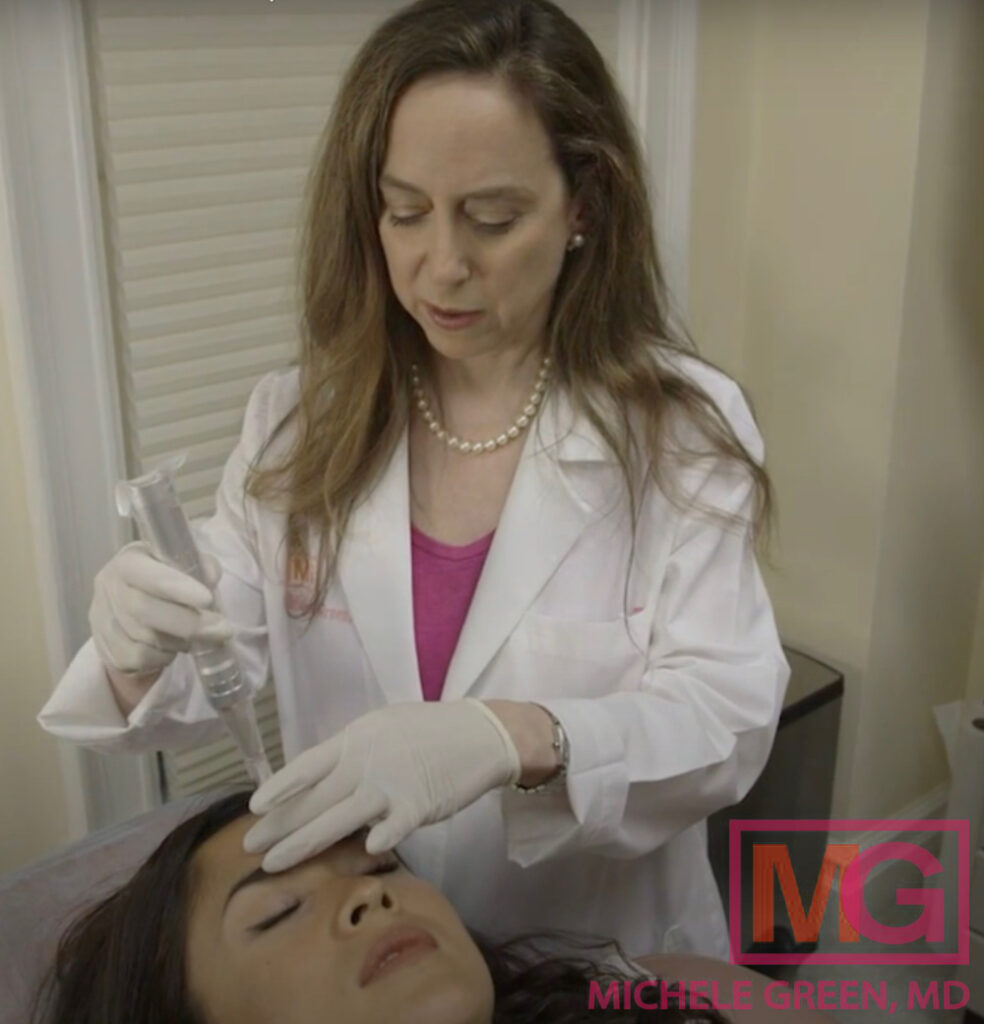
Microneedling usually offers the most noticeable benefits for people in their late 20s to 30s, when early fine lines or subtle changes in skin elasticity begin to appear. At this stage, the skin still produces a good amount of natural collagen, so the treatment helps reinforce and refresh the skin before more visible wrinkles and structural aging develop. Starting treatment early can help maintain skin smoothness and slow the visible signs of aging before they become more obvious. However, microneedling also remains effective for those in their 40s and 50s, or even older, especially when the skin shows signs of thinning, loss of firmness, or sun-related texture changes. In these cases, microneedling stimulates the production of new collagen and elastin, which can improve skin tone, reduce the appearance of fine lines, and enhance texture, even in more mature skin. The best age for treatment depends more on your skin’s condition and your goals than on a specific age.
What is better than microneedling for wrinkles?
There isn’t any treatment “better” than microneedling for wrinkles, but some treatments are more effective for specific types of wrinkles. When lines are deep or sun damage has altered the skin’s texture, laser resurfacing treatments often deliver more significant smoothing and tightening. Lasers can target both the surface and deeper layers of the skin, leading to a more noticeable improvement in firmness and overall radiance. This makes laser resurfacing a good choice when the skin needs stronger rejuvenation than microneedling alone can provide.
Some wrinkles are caused by volume loss under the skin rather than surface texture. As the facial support naturally thins, folds and creases can develop even if the skin beneath remains healthy. In such cases, fillers are often more effective than microneedling because they restore lost fullness and help reduce areas like smile lines and deep folds. Additionally, some wrinkles mainly emerge with facial movements like squinting or frowning, which can be effectively treated with Botox.
Microneedling remains an excellent option for enhancing overall skin quality. When the goal is to rejuvenate the skin’s appearance, improve texture, and soften early lines, microneedling is very effective. For deeper wrinkles or structural changes that have already developed, treatments such as lasers, fillers, or neuromodulators might be more appropriate. Many patients choose a combined approach to improve both the skin’s surface and the underlying support structures simultaneously, resulting in a smoother, more youthful appearance.
How deep should microneedling be for wrinkles?
The depth used for microneedling depends on the visibility of wrinkles and the thickness of the skin in that area. For most fine lines and early wrinkles, a depth of about half a millimeter to one millimeter is usually enough to reach the part of the skin that produces collagen. This helps smooth the surface and keeps the skin looking firm. When wrinkles are more noticeable, the depth can be increased slightly to ensure the treatment reaches the correct layer where stronger support is needed. Adjusting the depth of the treatment helps stimulate collagen without unnecessary irritation, allowing the skin to heal quickly and look refreshed. Choosing the right depth should be personalized by a dermatologist who can closely examine your skin and select the settings that will deliver the best results safely.
Cost of microneedling for wrinkles?
The cost of microneedling for wrinkles depends on several factors, including the number of sessions, the areas treated, and whether it’s combined with platelet-rich plasma (PRP) or radiofrequency to enhance results. Since each patient has different goals and levels of skin aging, the treatment plan is customized for each person. During a consultation, Dr. Green will evaluate your skin and create a personalized treatment plan, so you know exactly what to expect. Many patients find microneedling a worthwhile investment because it improves skin quality with minimal downtime and helps maintain a healthy, smooth, youthful appearance over time.
Is microneedling worth it for wrinkles?
Microneedling is an effective option for reducing wrinkles if you’re looking for consistent, natural improvements in your skin’s appearance. As you age, your skin may develop fine lines, rough patches, and a tired look. Microneedling helps preserve skin strength by supporting collagen production in areas where it begins to weaken, making lines softer and the surface smoother. Many patients find that their skin feels healthier overall. It can look more even, retain hydration better, and have a soft glow. The treatment easily fits into a normal routine because it involves little downtime, and results gradually improve with each session. It also pairs well with other treatments if you decide you want additional improvements in specific areas. Choosing microneedling is a long-term approach to caring for your skin rather than waiting for changes that become harder to treat, and many patients feel this preventive approach keeps them happier with how their skin ages year after year.
Why do I look more wrinkled after microneedling?
It is completely normal to worry if your skin appears more wrinkled or dry immediately after microneedling, but this temporary change does not mean the treatment isn’t effective. In the first few days, your skin might feel tight, dehydrated, and slightly rough as it recovers from the tiny channels created during the procedure. When the surface is dry and there is mild swelling, fine lines may seem more noticeable for a short time. As your skin heals and begins producing new collagen, moisture is restored, texture improves, and the tightness softens. Most patients find that once this initial phase passes, their skin looks smoother, healthier, and more refreshed than before.
What is the best procedure for deep wrinkles on the face?
The best treatment for deep wrinkles varies depending on their cause. When the skin has been significantly impacted by sun exposure or aging over many years, laser resurfacing can be an effective choice because it promotes deeper skin regeneration and helps reduce lines embedded in the skin. If the face has lost some of its natural fullness, injectable fillers can help smooth the area by restoring volume. For wrinkles caused by repeated facial movements, such as frowning or squinting, neuromodulators can be particularly effective as they relax the muscles that deepen these lines. Microneedling can also enhance overall skin quality, even if more intensive treatments are needed for deeper wrinkles. It stimulates healthy collagen and elastin production around those areas, making the skin look more even and boosting the effectiveness of other treatments. Many people find value in combining these approaches, as each addresses a different cause of wrinkle formation. When your treatment plan is tailored to your unique features, your results will appear very natural.
How many years does microneedling take off your face?
Microneedling does not remove a specific number of years from your face, but it can help the skin look noticeably smoother, brighter, and firmer, creating a more youthful appearance. As collagen increases, fine lines soften, and the skin appears healthier and more refreshed. Some people feel they look a few years younger after completing a full series of treatments, while others notice more subtle improvements that make them look well-rested. The level of improvement depends on age, skin damage, lifestyle, and whether the treatment is combined with other procedures like Botox and dermal fillers. Microneedling helps maintain skin quality over time, making the aging process appear slower.
Is microneedling safe during an acne breakout?
Microneedling is not advised during an active acne breakout. When the skin has open or inflamed blemishes, the tiny needles can spread bacteria to nearby areas, potentially causing additional breakouts. The treatment can also make active pimples more irritated and slow down the skin’s healing process. It’s best to wait until the breakout subsides before scheduling a session so the skin has time to heal. If acne is a frequent concern, Dr. Green can recommend the best way to treat the breakouts first, then discuss microneedling once the skin is clear.
How do I get started with microneedling today?
Microneedling for wrinkles is a minimally invasive procedure that helps achieve a smoother, more youthful appearance by stimulating the skin’s natural renewal. Using fine sterile needles, the treatment can improve skin texture and brightness while reducing the look of fine lines, uneven tone, acne scars, and enlarged pores. Since microneedling causes very little discomfort and minimally disrupts daily routines, it can be easily combined with other cosmetic treatments, such as fillers, Botox, and laser procedures, for even better results. An experienced cosmetic dermatologist like Dr. Green will customize your microneedling plan to address your specific concerns and help you keep healthy, glowing skin as you age.
Dr. Michele Green is a globally recognized, board-certified dermatologist with over 25 years of experience in advanced non-surgical skin rejuvenation treatments, including microneedling for wrinkles. She takes a thoughtful and customized approach to facial aesthetics, creating treatment plans tailored to each patient’s unique skin type and goals. Dr. Green has consistently been named one of New York City’s top dermatologists by Super Doctors, Castle Connolly, and New York Magazine, demonstrating her dedication to exceptional care and natural-looking results. When you schedule a consultation with Dr. Green at her private dermatology practice in Manhattan’s Upper East Side, she will collaborate with you to develop a personalized plan to soften wrinkles, refresh your complexion, and boost your confidence in your skin. You can call Dr. Green’s NYC office at 212-535-3088 or contact us online to book your appointment.
Related Topics
Summarize This Content: AI


