


Acne Scar Removal Costs
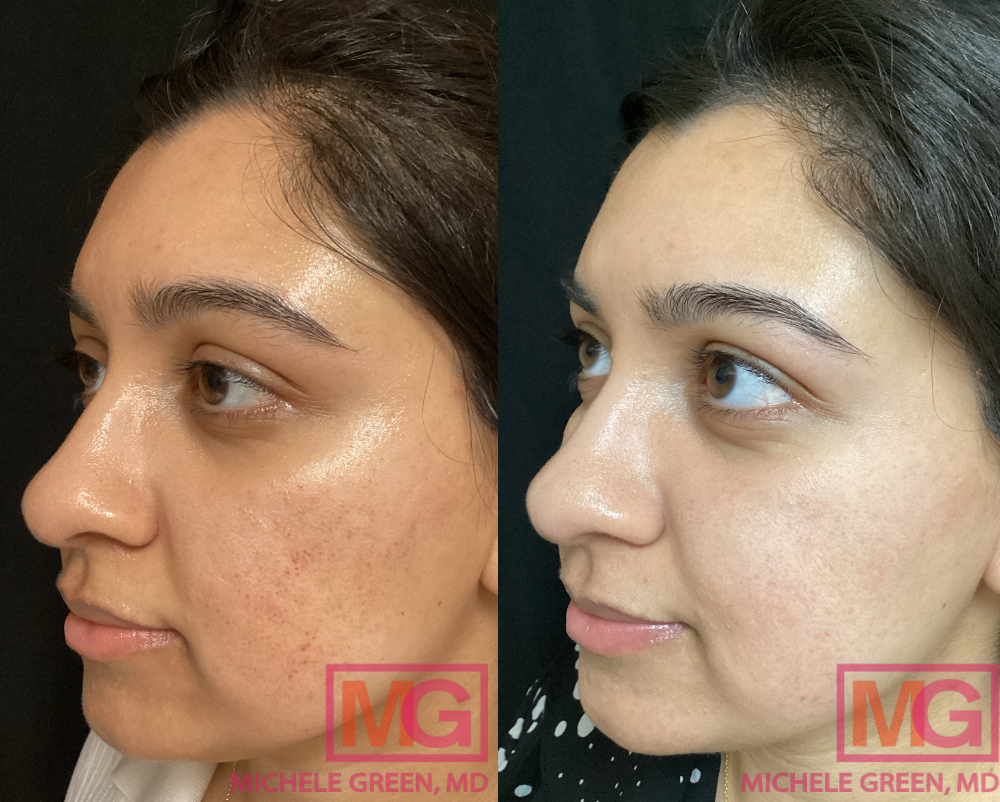
Acne can be stubborn and frustrating. For many people, the scars left behind can feel even more distressing than the acne itself. Acne scarring occurs when inflammation in an acne lesion penetrates the skin’s surface tissue, causing permanent tissue damage. Depending on your skin’s collagen production, you can develop a raised or depressed acne scar. Acne scarring can be difficult to treat because it is permanent; however, numerous acne scar treatments are available to address and fade various types of scarring. The most common cosmetic procedures for fading acne scarring and improving skin texture are resurfacing procedures, specifically laser treatments. Dr. Michele Green, in New York City, is an expert in cosmetic dermatology and offers innovative laser technology to reduce the appearance of acne scars.
Estimating the cost of acne scar removal can be challenging because of several factors. One key factor is the type of acne scar, as different scars may require different treatments. Some treatments, such as subcision with hyaluronic acid fillers, may address acne scars in a single session. In contrast, other treatments, such as Fraxel laser resurfacing, microneedling, or chemical peels, may require multiple sessions to achieve optimal results. Another important factor is the severity of the acne scars: patients with more superficial or mild scars may achieve an improved appearance with fewer treatment sessions than those with more moderate-to-severe scars. The best way to estimate the cost of your acne scar treatment is to consult with a board-certified dermatologist like Dr. Green. During your consultation, she will assess the type and severity of your scars, as well as your skin type and tone, to develop an acne scar treatment plan that leaves you with clear, smooth skin.
Dr. Michele Green is a board-certified dermatologist with over 25 years of experience treating the world’s most discerning men and women with non-invasive treatment options, including laser therapies, dermal fillers, and microneedling. Dr. Green employs a holistic approach to cosmetic dermatology, customizing each patient’s treatment plan to their specific acne scars, skin type, tone, and concerns. She is consistently voted one of NYC’s top dermatologists by Castle Connolly, Super Doctors, New York Magazine, and The New York Times, recognized for her expertise and dedication to her patients. When you consult with Dr. Green, she will assess your medical history and acne scars to develop a treatment plan that delivers a smooth, beautiful complexion that lasts.
What are acne scars?
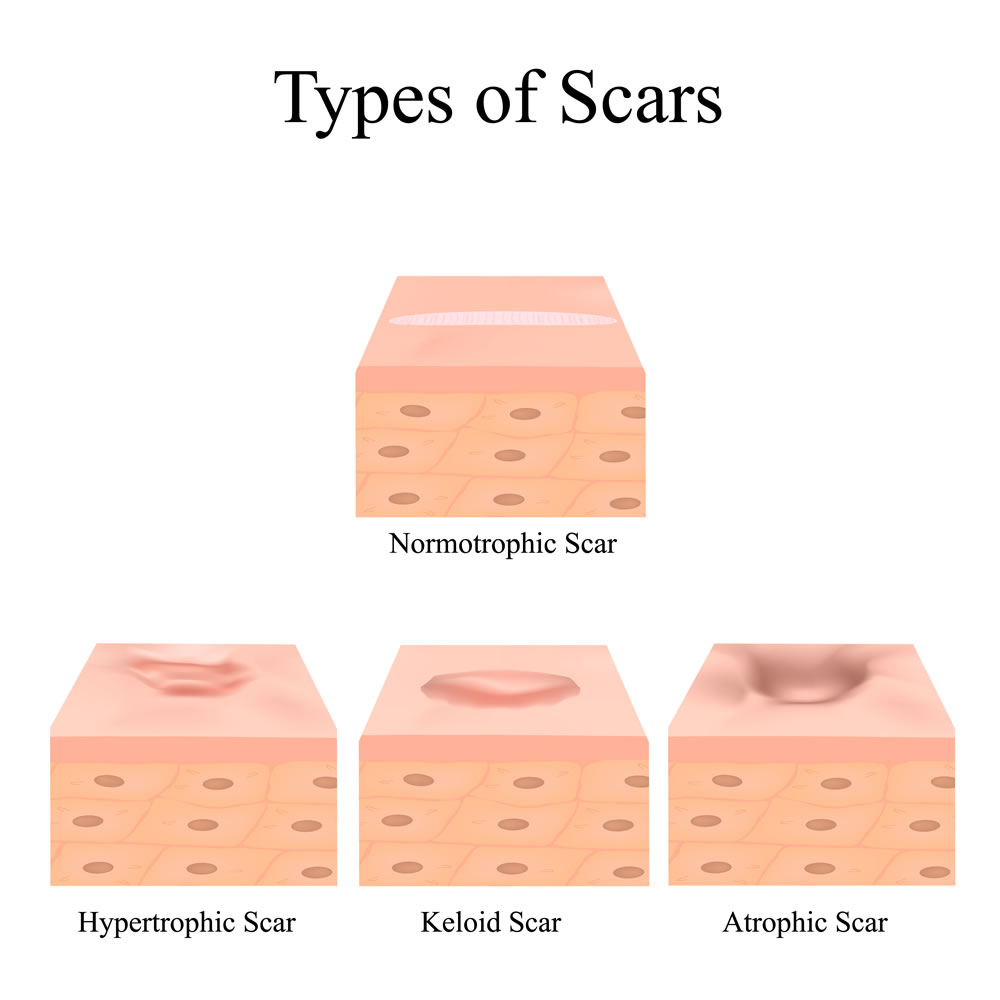
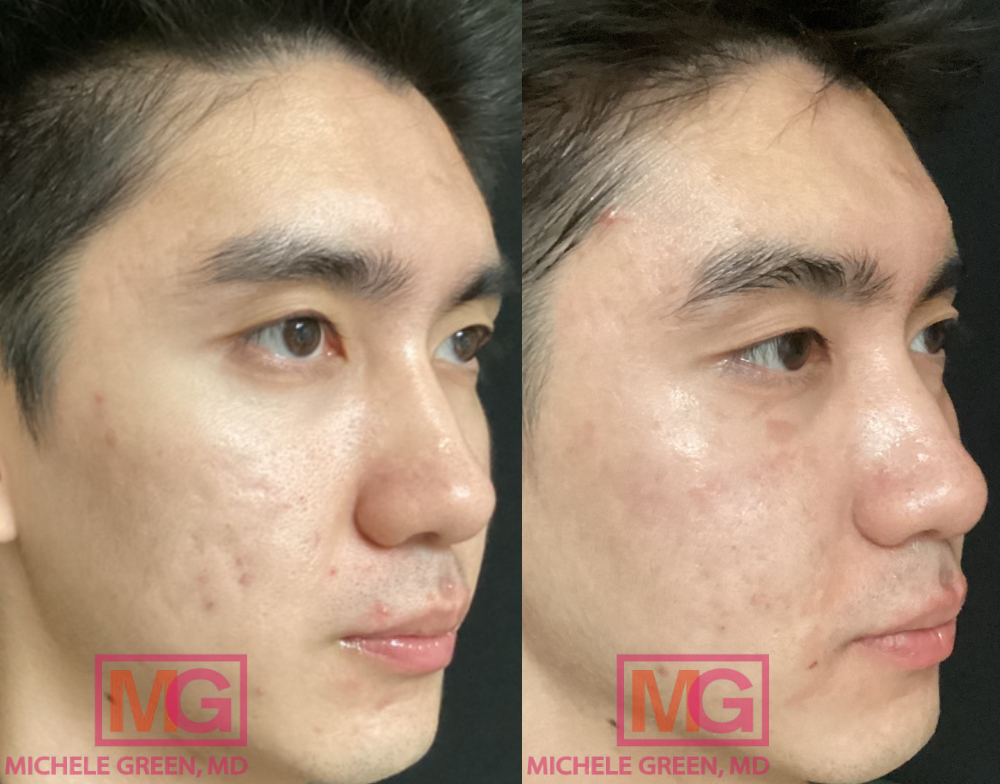
Acne scars are permanent textural marks that develop when severe or inflamed acne damages the skin’s barrier and tissue. They result from acne, a chronic inflammatory skin condition, rather than pimples, which are individual and transient. As acne heals, if the body produces too little or too much collagen to repair the damage, a scar may form. There are several types of acne scars, and knowing which type you have can help you find the most effective treatment to fade the scar. The most common type of scarring is atrophic, or depressed scarring, which occurs when the skin doesn’t produce enough collagen. Subtypes of atrophic scars include ice-pick, boxcar, and rolling scars. Ice-pick scars appear as deep, narrow V-shaped indentations on the skin’s surface. Boxcar scars are broad, with square-shaped depressions and steep edges. Rolling scars are wide, shallow U-shaped depressions caused by fibrous tissue being pulled down. On the other hand, hypertrophic scars result from excessive collagen production, forming raised, thick, and lumpy scars. A less common scar type is the keloid scar, which resembles a hypertrophic scar but extends beyond the original injury site.
What treatment options are available for acne scar removal?
The most common treatment option for acne scar removal is laser skin resurfacing, which uses concentrated light energy to stimulate collagen production and smooth acne scars. Laser treatments are classified as non-ablative or ablative. Non-ablative lasers penetrate the lower layers of the skin without removing the outer layer, stimulating collagen production with minimal downtime. Popular non-ablative lasers for acne scar treatment include Fraxel and Clear + Brilliant fractional lasers, eMatrix radiofrequency lasers, and IPL therapy. The VBeam laser is a pulsed-dye, non-ablative laser that reduces red pigmentation in the skin, including red acne scars, broken blood vessels, and facial redness. Ablative lasers, such as CO2 and erbium: YAG, are high-intensity and remove the outer layer of the skin to achieve rapid, pronounced results. Because this approach is more aggressive, it is associated with longer recovery times and a higher risk of adverse side effects, including scarring, hyperpigmentation, or hypopigmentation. It is crucial to protect your skin with a high-SPF sunscreen and limit sun exposure during laser treatment to promote the healing process and achieve optimal results. Depending on the type of laser and the severity of acne scarring, patients may receive one or multiple treatment sessions.
Other common treatments for acne scars include microneedling, subcision with dermal fillers, chemical peels, and steroid injections. Microneedling uses tiny needles to stimulate collagen and improve skin texture with less downtime than stronger lasers. For deeper, stubborn scars, subcision may be recommended to disrupt and release fibrous bands that pull the skin downward. Dermal fillers are paired with subcision to fill and plump the indentation, resulting in a smoother skin surface. Chemical peels can help with uneven skin tone and mild scarring by removing the damaged top layer of skin, allowing for healthy skin to come to the surface. For raised hypertrophic scars, treatments like steroid injections can help flatten and soften the scar tissue. In many cases, the best results for acne scarring come from a combination approach, as patients often have a mixture of acne scar types.
Is acne scar removal expensive?
Yes, acne scar removal can be expensive, especially for deeper or varied-texture scars. Since acne scar treatments are considered cosmetic, insurance usually doesn’t cover them, so many people pay out of pocket. Laser treatments tend to be more expensive because they target deeper layers of skin and deliver stronger results. Microneedling and chemical peels are less expensive but require multiple visits to achieve noticeable improvement. The best way to avoid unnecessary spending is to choose a treatment plan matched to your scar type and skin goals. In addition, maintaining an appropriate skincare routine and using medical-grade skincare products can support outcomes and prevent new breakouts that may lead to scarring.
How much does acne scar removal cost?
The total cost of acne scar removal treatment depends on the chosen treatment and the number of sessions required. The first step is to consult a knowledgeable dermatologist, such as Dr. Michele Green, to discuss treatment options. During the visit, Dr. Green will assess your scars, discuss treatment options best suited to your skin, and explain the results you can realistically expect, including how long it may take and how many sessions may be required to see visible improvement. Understanding the timeline for results will help you set realistic expectations from the start. After your consultation, Dr. Green’s office will be able to provide you with an estimated cost for your acne scar treatment.
What factors affect acne scar removal cost?
The cost of acne scar removal can vary widely based on several factors, including the provider’s geographic location, the type of treatment used, the severity of the scarring, and the provider’s expertise. Cosmetic procedures in major cities, such as Manhattan, often cost more due to higher demand for specialized care and higher operating costs than in suburban areas. Another major reason for the cost difference is the type of treatment required, as acne scars can be improved with technologies such as laser resurfacing, microneedling, chemical peels, subcision, or injectable fillers. Each treatment targets scars differently, and some require more sessions, affecting the overall cost. Another important factor is the severity of the scarring. People with deeper scarring or multiple scar types often need a combination of treatments and multiple sessions to achieve the best results. More extensive treatment plans will increase the overall expense.
Finally, the provider’s expertise is a major factor in overall cost. While it may be less expensive to go to a medspa, it’s best to see a board-certified dermatologist or plastic surgeon for optimal treatment. Seeing an unlicensed or inexperienced provider can increase the risk of side effects and adverse outcomes. Dr. Green is a board-certified dermatologist who strives to deliver extraordinary, natural results through non-invasive treatments, prioritizing patient comfort and safety while helping you reach your skincare goals.
Does insurance cover the cost of acne scar removal?
Acne scar removal is considered a cosmetic procedure rather than a medically necessary one, so many treatments aren’t typically covered by health insurance. That means treatments such as lasers, microneedling, or chemical peels are usually paid out of pocket. The most effective way to determine any coverage exceptions is to contact your insurance provider and review your policy.
How to estimate the total cost for acne scar removal?
To estimate the total cost of acne scar removal, start with a consultation with a knowledgeable dermatologist. Your dermatologist will assess your scars, recommend the best treatment plan, and discuss the number of sessions you might need. They can also discuss any additional costs, such as follow-up visits or aftercare. Because every skin type and treatment plan is different, a consultation is the most effective way to get a clear estimate of the total cost.
Frequently Asked Questions (FAQs) about the Cost of Acne Scar Removal
Do acne scar removal costs vary by location?
Yes, the cost of acne scar removal varies by the provider’s office location. Treatments in large cities with a higher cost of living, such as Manhattan, often cost more, whereas treatments in smaller towns or less competitive markets may be more affordable. The office’s reputation, the specialist’s experience, and the technology available can also affect pricing, as practices in major metropolitan areas invest in advanced equipment and trained staff. Because acne scar treatment is personalized, the exact plan and cost can vary. That is why a consultation is the key step in providing you with a clear understanding of your treatment plan and what to expect for your skin.
What is the cost difference between acne scar treatments?
When thinking about acne scar treatments, many patients wonder, “How much does acne scar removal cost per session?” The answer depends on the type of acne scar treatment and the severity of scarring, both of which affect the number of sessions required and the treatment frequency. Generally, treatments that involve more advanced equipment, longer procedure times, or greater provider expertise tend to be more costly. Laser treatments tend to be on the higher end, often requiring specialized devices and providers. Microneedling and chemical peels are moderately priced because they stimulate collagen production with simple equipment and shorter session times. Topical or superficial treatments, such as chemical peels, tend to be on the lower end of the cost spectrum as they are less invasive and often require multiple visits to see improvement. Treatments such as subcision with dermal fillers can be performed less frequently and may be more cost-effective. In contrast, other treatments, such as non-invasive lasers and chemical peels, typically require multiple sessions but deliver better, longer-lasting results.
How much does laser acne scar removal cost?
The average cost of laser acne scar treatment varies based on the type of laser used, the severity and size of the treated area, and the number of sessions recommended. If you have active acne breakouts or a darker skin tone, you might not be a good candidate for certain laser treatments, which can result in hyperpigmentation if the wrong treatment is performed. Non-ablative laser treatments are generally less expensive than ablative lasers, though they often require more treatment sessions to achieve the desired cosmetic results. Dr. Green’s office offers non-ablative laser treatments that significantly reduce the risk of adverse side effects, such as scarring or hyperpigmentation, making them a safer option for a wider range of patients. Because every patient’s skin and scar type is unique, the best way to get an accurate estimate of the cost of laser acne scar removal and avoid unnecessary or harmful procedures is to consult with a qualified dermatologist. It is important to consult with a board-certified dermatologist, such as Dr. Green in NYC, to discuss the best treatment course for your skin.
How much does subcision for acne scars cost?
Subcision is a minimally invasive procedure that uses a small needle to release fibrous bands that pull down atrophic acne scars, such as rolling and boxcar scars. Pricing generally depends on the severity of the scarring, the number of treatment sessions required, and whether it is part of a combined approach. Subcision is often performed in conjunction with dermal fillers to achieve immediate volume and lift, prevent skin retethering, and promote collagen synthesis, resulting in smoother skin. Fillers are typically priced per syringe, so the total cost can vary based on the number of syringes needed to address the scars and restore volume.
How much does a chemical peel for acne scars cost?
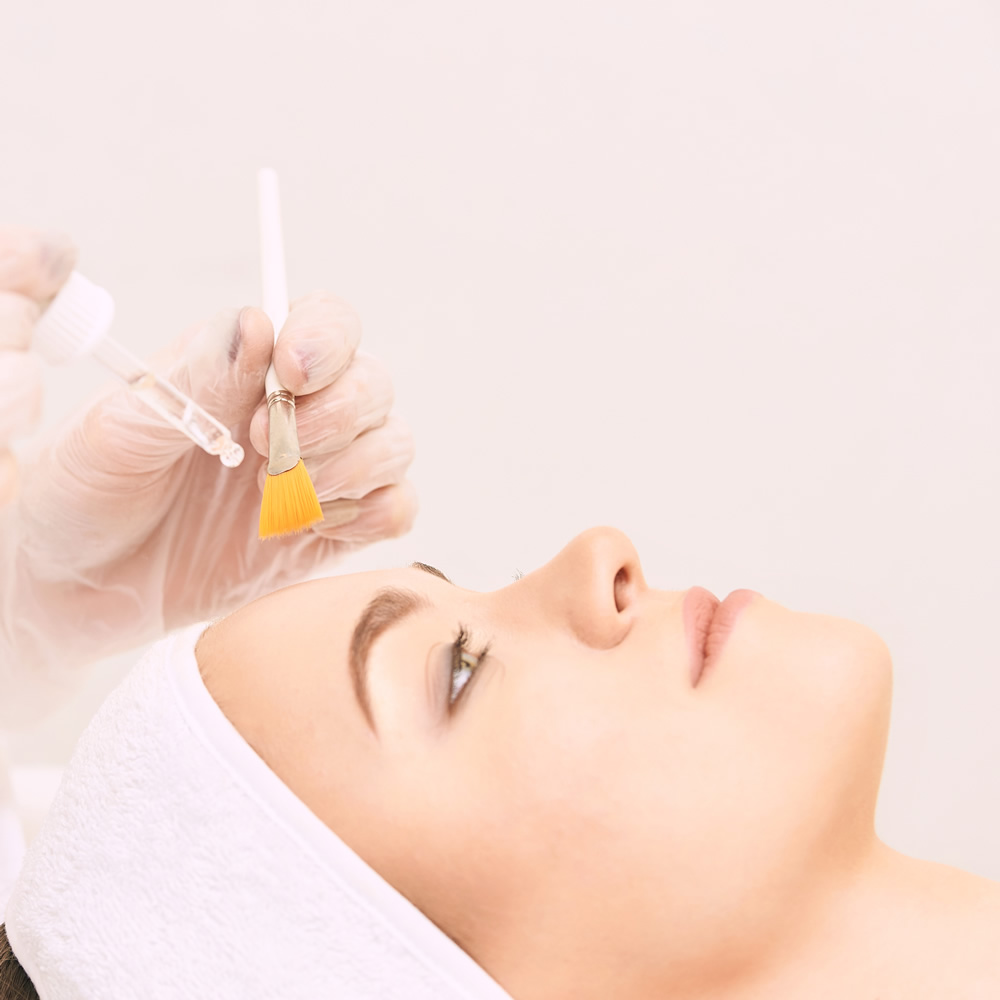
Prices for chemical peels depend on the type of peel, the depth of penetration, and the severity of the scars, with more potent peels for deeper scars costing more. Depending on the severity of acne scars, chemical peel treatments may require multiple sessions, particularly with less potent peels. It’s important to see a provider who understands which chemical peels are best for your particular skin tone, as some peels may cause hyperpigmentation or hypopigmentation. While medspas may seem more cost-effective, for safety and the best results, choose a board-certified dermatologist for your treatment.
How much is microneedling for acne scar removal?
Microneedling is an advanced cosmetic treatment that uses a specialized handheld device with fine needles to create thousands of tiny micropunctures on the skin’s surface. This process stimulates the body’s natural healing response and significantly boosts collagen and elastin production, helping improve the appearance of acne scars. Microneedling can be customized by combining it with specific serums, such as depigmenting agents for post-inflammatory hyperpigmentation or platelet-rich plasma (PRP), which enhances results by leveraging the body’s own healing properties. The cost of microneedling varies widely based on factors such as geographic location, any additional serums or PRP, and the number of sessions. It is advisable to contact individual practices to obtain specific pricing information and understand the available treatment options. It is recommended to consult a board-certified dermatologist, such as Dr. Michele Green, who will determine whether this treatment is right for you.
What is the cost of acne scar fillers?
Acne scar fillers, such as Restylane, Sculptra, and Juvederm, are injected to elevate and fill atrophic scarring. Prices for dermal fillers depend on the severity of scarring, the number of syringes or vials needed, the number of treatments required, geographic location, and the clinician’s expertise. Hyaluronic acid fillers, such as Restylane and Juvederm, can provide results that last 6-12 months after a single treatment session. Biostimulating fillers like Sculptra require an initial series of treatments, each spaced one month apart, after which results can last up to 2 1/2 years. Patients with isolated indented acne scars may benefit from hyaluronic acid fillers, while those with more diffuse acne scarring and facial volume loss may benefit from Sculptra instead. When you consult with Dr. Green, she will assess your acne scars, determine which filler is best suited for you, and provide an estimate of the number of treatment sessions, syringes or vials, and cost.
How much does CO2 laser acne scar removal cost?
For severe acne scarring, an ablative laser, such as a CO2 laser, may be recommended for skin resurfacing. The overall cost depends on the severity of scarring, the size of the treatment area, and the number of sessions needed. It is generally the most expensive option per session; however, it may require fewer sessions because it yields more dramatic results than non-ablative laser treatments. However, it is generally not recommended for patients seeking skin improvement with minimal downtime and risk.
How to estimate the cost of my acne scar treatment today?
Acne scars can be challenging to treat, but a wide range of effective procedures are available, including laser resurfacing, microneedling, fillers, subcision, and chemical peels. Pricing for acne scar removal depends on several factors: the treatment selected, the severity of your scarring, the number of sessions required, and the provider’s experience and location. Less invasive treatments like microneedling, chemical peels, and fillers are generally more affordable but may require multiple sessions. Advanced procedures such as CO2 or erbium: YAG laser resurfacing typically carry higher upfront costs but can deliver dramatic results in fewer sessions. The best way to determine the most suitable, cost-effective plan for your skin needs is to consult a board-certified dermatologist, such as Dr. Michele Green in NYC. After a careful assessment of your skin, Dr. Michele Green will create an individualized acne scar treatment plan that will leave you with clear, smooth skin that lasts.
Dr. Michele Green is a board-certified dermatologist with over 25 years of experience providing advanced, non-invasive cosmetic dermatology treatments in New York’s Upper East Side. She customizes each patient’s treatment plan to address their unique acne scars, skin type, tone, and concerns. Dr. Green is consistently recognized by Castle Connolly, Super Doctors, New York Magazine, and The New York Times as one of NYC’s top dermatologists, known for her expertise and dedication to patient care. When you consult with Dr. Green, she will work with you to develop a personalized acne scar treatment plan based on your skin goals, leaving you with a smooth, beautiful complexion that lasts. Investing in effective treatment not only helps restore your confidence but also supports long-term skin health. For more information or to book a consultation, please contact Dr. Michele Green’s NYC office at 212-535-3088 or visit us online.


