


Can a Dermatologist Help With Thinning Hair?
According to the American Academy of Dermatology, more than 80 million Americans experience hair loss or thinning. While hair shedding, hair thinning, and a receding hairline are common conditions, many patients still find hair loss distressing and wonder: How do I stop hair loss? The most important first step in developing an effective treatment plan for hair loss is diagnosing the root causes. Most commonly, patients may experience hair loss due to genetic conditions, such as androgenetic alopecia (male pattern hair loss and female pattern hair loss) or alopecia areata, stress-related conditions, such as telogen effluvium, malnutrition or anorexia, medications, fungal infection, bacterial infection, hairstyles (traction alopecia), Polycystic Ovary Disease, vitamin deficiencies, Trichotillomania, or hormone imbalance due to puberty, pregnancy, or menopause. Without knowing the root cause of the hair loss, it is impossible to prescribe the right medication, supplement, or treatment option, which is why the best first step in hair loss treatment is to schedule a consultation with expert, board-certified dermatologist Dr. Michele Green.
Dr. Green offers many treatment options at her New York City dermatology office, depending on the type of hair loss you are experiencing. First, Dr. Green will perform a complete examination of the hair and skin, blood tests, and a scalp biopsy to determine the cause of the hair loss and to develop an individualized treatment plan tailored to your needs. For some patients, the ideal treatment option may be a topical treatment, such as Rogaine (topical minoxidil) or Spironolactone. Oral medications, such as finasteride, can be prescribed by a dermatologist in combination with topical treatments. Topical and oral medications can also be combined with in-office treatments, such as platelet-rich plasma (PRP) injections or low-level laser therapy, to strengthen hair follicles, increase blood flow, and promote new hair growth. Dr. Green can also recommend the best hair products, such as shampoos and conditioners, to help protect against additional hair shedding or hair thinning. To get started on your path to hair care and hair regrowth, schedule your initial consultation with Dr. Michele Green.
Experienced board-certified dermatologist Dr. Michele Green has been expertly treating patients at her Upper East Side, New York City dermatology office for more than 25 years. Well-versed in addressing a wide range of cosmetic concerns and medical conditions, Dr. Green is a master at identifying the root cause of hair loss and creating an individualized treatment plan to slow hair shedding and strengthen hair follicles for thicker hair regrowth. In addition to hair loss treatment, Dr. Green is an expert in cosmetic treatments such as Botox, dermal fillers, laser therapy, microneedling, chemical peels, platelet-rich plasma injections, and more. Well-known for high patient satisfaction, Dr. Green has been voted one of the best dermatologists in New York City by such publications as Castle Connolly, Super Doctors, and New York Magazine.
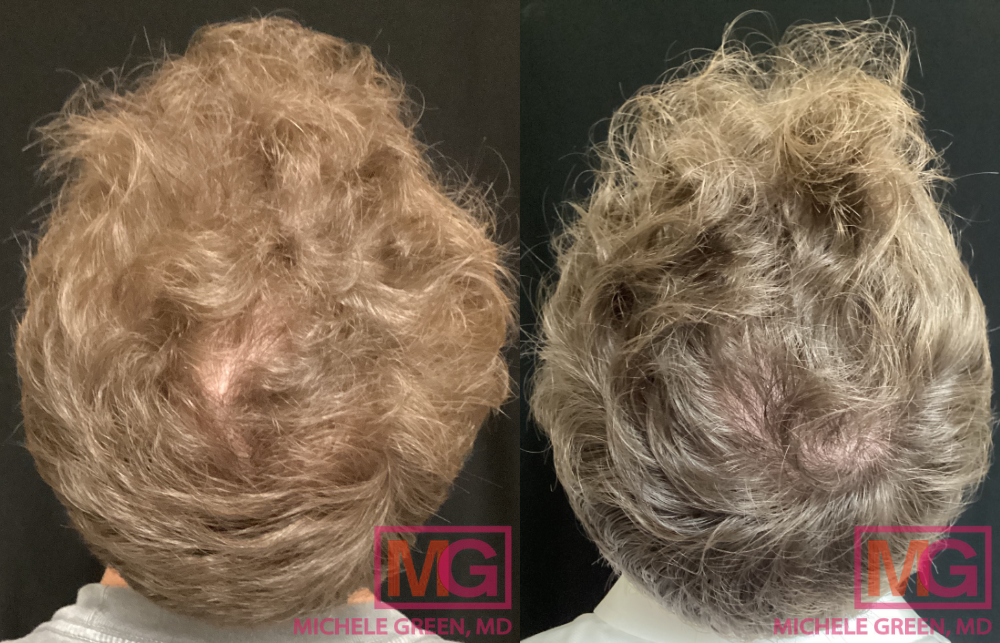
What are the different causes of thinning hair, hair loss, and balding?
The most important step in beginning hair loss treatment is receiving an accurate diagnosis of the root cause of your hair loss. Hair shedding and thinning can occur due to genetic predisposition, stress, autoimmune system disorders, thyroid problems, cancer treatment, hormonal changes, scarring alopecia (cicatricial alopecia, lichen planopilaris), scalp conditions, or as a side effect of some medications. Below are some of the most common types of alopecia and hair loss medical conditions that lead to bald spots, hair loss, scalp psoriasis, or rapid hair shedding:
Androgenetic Alopecia
Androgenetic alopecia, also known as female or male pattern baldness, is a hair-loss condition associated with elevated levels of androgen hormones, which bind to hair follicles and damage them. In men, male-pattern hair loss typically begins with thinning at the temples, leading to a receding hairline that forms the characteristic “M” shape. Hair loss continues on the crown of the head and may worsen over time. In women, female pattern baldness can result in hair thinning along the top of the head, widening the part. The condition can begin affecting both men and women in their 20s and 30s and can become more prominent with age. The risk factors for developing androgenetic alopecia are yet unknown, though researchers believe that there is a strong genetic component.
Alopecia Areata
Alopecia areata is an autoimmune disease in which white blood cells damage hair follicles, slowing new hair growth and causing the follicles to shrink. Characterized by bald patches that most commonly appear on the scalp (though the condition can develop anywhere on the body), alopecia areata can occur suddenly and is not associated with stress. Researchers believe this autoimmune disorder is genetic, and while some patients experience alopecia areata followed by full hair regrowth, for others, hair loss may be permanent. For the most part, patients with alopecia areata experience small patches of hair loss the size of a quarter. However, for others, the extent of hair loss may be more extreme. Alopecia areata can affect patients of any age and gender and frequently comes on quickly, within the span of a few days.
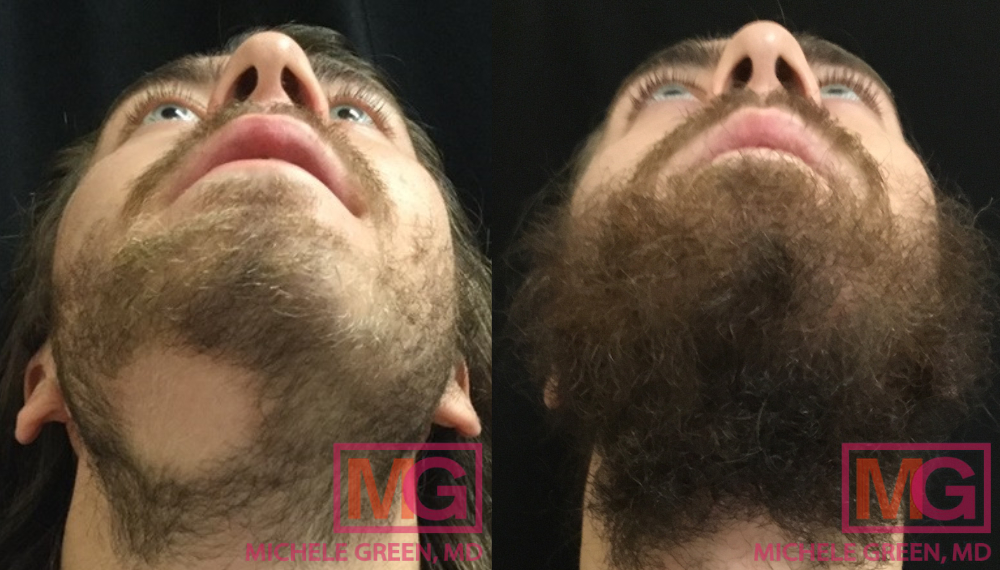
Telogen Effluvium
Telogen effluvium is a hair-loss condition caused by extreme stress or shock, which prematurely triggers hair to enter the resting phase of hair growth (telogen). As a result, a large number of hairs enter the shedding phase at the same time — sometimes, as many as 70% of the hairs on the scalp can be shed at once, leading to noticeable hair thinning and shedding. Stressful events that can trigger telogen effluvium include:
- Severe illness, such as chronic illness or high fever
- Childbirth
- Overactive thyroid
- Severe infections
- Severe psychological distress
- Major surgery or injury
- Losing weight quickly, such as with crash diets or anorexia.
- Some medications
Typically, hair will regrow in three to six months once the stressful event has been resolved, but seeking treatment from a dermatologist can help speed regrowth and ensure hair follicles remain healthy for a full-looking head of hair.
Can a dermatologist help with thinning hair?
Dermatologists are highly experienced in treating hair loss conditions and preventing or slowing further hair loss. In addition to treating skin conditions such as acne breakouts, acne scars, hyperpigmentation, fine lines and wrinkles, facial volume loss, and uneven skin texture, dermatologists are highly skilled at diagnosing hair-loss conditions and prescribing medications or treatment options that will best combat hair shedding. Dr. Green, in particular, is well-known for the care she takes when diagnosing patients and developing individualized treatment plans to promote hair regrowth, thicken and strengthen the hair follicle, and prevent or slow future hair shedding.
How does a dermatologist diagnose hair loss?
One of the major benefits of seeking treatment from an expert dermatologist for hair loss conditions is that the dermatologist can accurately diagnose the root cause of the hair loss. During your initial consultation, Dr. Green will begin by asking you about your medical history, including any medications you are taking, medical conditions, surgeries, and recent travel. Next, Dr. Green will conduct a thorough examination of the scalp, hair, scalp bald spots, and nails to determine the cause of scalp hair loss. In some cases, Dr. Green will request a complete blood panel to determine whether hormonal changes, thyroid problems, or other autoimmune disorders cause the hair loss. Additionally, a fungus culture or biopsy may be requested for thorough testing if the hair thinning is not due to one of the more common causes of hair loss.

When should I see a dermatologist for hair loss?
Patients who notice hair loss or thinning should seek a dermatologist as soon as possible. Hair loss treatment can help strengthen hair follicles and slow hair loss. However, most non-surgical treatments cannot fully repair damaged hair follicles, meaning that if you wait for hair loss to advance, it may be too late to restore the damaged hair follicles fully. Dr. Green provides patients with long-lasting solutions to help maintain the strongest, thickest, healthiest hair possible.
What can a dermatologist do for thinning hair? Treatment options for hair loss
When it comes to treating hair loss, there are many different treatment options available at Dr. Michele Green’s New York City dermatology office. There are many over-the-counter treatment options, such as skincare products and biotin supplements. Still, the most powerful and effective treatments are those prescribed or performed by an expert, board-certified dermatologist, such as Dr. Green. Dr. Green will often begin by turning to the following treatment options:
PRP for Hair Loss – Platelet-rich plasma (PRP) injections are a highly effective treatment option for strengthening the hair follicles and activating growth factors to increase hair growth. The solution is derived from the patient’s blood and centrifuged to isolate the platelet-rich plasma, which, when injected into the scalp, nourishes and regenerates the hair follicles. The effects of the treatment include a longer growth phase and thicker hair follicles, resulting in denser, healthier hair. PRP can be effectively used for patients with telogen effluvium to help boost hair regeneration.
Minoxidil (Rogaine) for Hair Loss – Minoxidil is an oral medication originally used to treat hypertension and high blood pressure, and has since been FDA-approved to treat hair disorders such as alopecia when taken in low doses. The medication works by increasing blood flow to hair follicles, prolonging the hair growth phase, and improving hair density. Minoxidil can also be applied topically, although it may negatively affect hair texture. When determining the dosage of oral minoxidil, it is always best to consult an expert dermatologist, such as Dr. Green.
Finasteride (Propecia) – Finasteride is another topical medication that works to boost the growth of the hair follicles for new hair growth. The medication works by inhibiting the production of the hormone that is partially responsible for hair loss, dihydrotestosterone (DHT). By reducing DHT activity, hair loss is slowed by up to 70%.
Low-Level Laser Light Therapy – Low-level light therapy (LLLT) is a hair restoration procedure that uses specific wavelengths of light to promote hair regrowth. Approved by the FDA for the treatment of patients of all genders, low-level laser therapy can yield up to a 51% increase in hair density for female patients and a 35% increase for male patients. When light at the appropriate wavelength is applied to the treatment area, the number of cells increases, helping fortify the hair follicle for fuller hair and natural-looking results. As a non-invasive procedure, LLLT offers good results with no downtime. Dr. Green may combine LLLT treatment with topical or oral medications to further enhance the results.
Which dermatologist shampoo is best for hair loss?
Patients experiencing hair loss should look for a shampoo that will not further damage hair follicles. Some shampoos contain harsh ingredients that can break the hair shaft or irritate the scalp, worsening hair loss. Dr. Green recommends avoiding shampoos containing ingredients such as isopropyl alcohol, sulfates, parabens, and triclosan, as these can irritate the scalp and cause dry hair. Dr. Green recommends looking for shampoos containing the ingredient ketoconazole, which is often found in dandruff shampoos and can help reduce scalp inflammation and irritation. For more recommendations, schedule an appointment with Dr. Green.
Does a dermatologist treat hair loss?
While many patients associate dermatology with skin concerns such as acne, hyperpigmentation, and other signs of the natural aging process, a dermatologist can also help with hair-loss conditions. There are many different types of hair loss, and Dr. Green is an expert in diagnosing the underlying cause. Once the cause of the hair loss is known, Dr. Green will develop a treatment plan to strengthen hair follicles, slow hair loss, and—depending on the condition—promote hair regrowth.
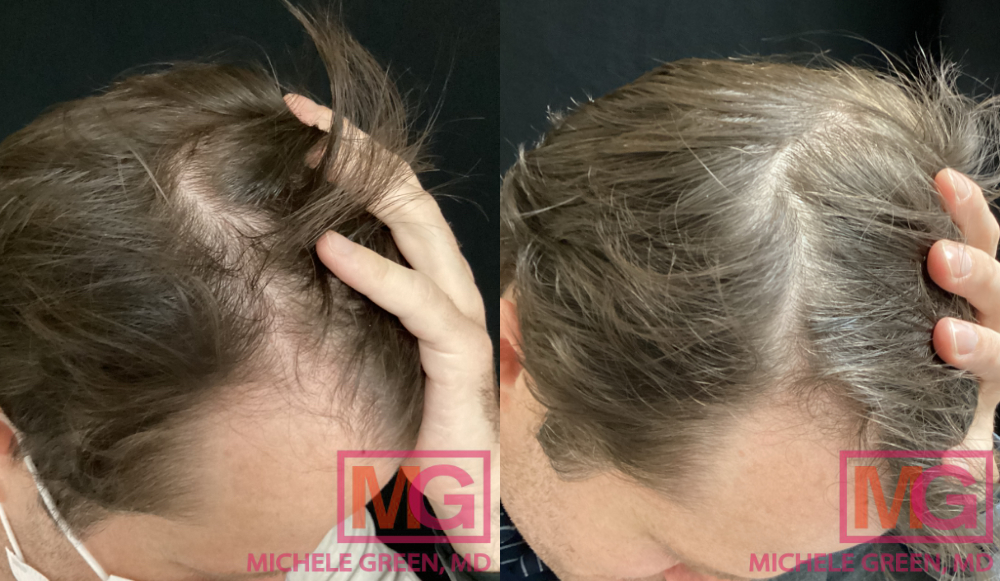
Does a dermatologist help with hair growth?
Non-surgical hair restoration treatments are highly effective options for hair regrowth, so patients do not need to visit a plastic surgeon for a hair transplant. Numerous treatment choices are available at board-certified dermatologist Dr. Michele Green’s Upper East Side office in New York City, and the most effective treatment plan for you will be tailored based on the underlying cause of your hair loss. Non-surgical hair-loss treatments may include topical and oral medications, in-office procedures, and recommendations for over-the-counter products. To determine which treatment option is best for you, schedule your initial consultation with Dr. Michele Green.
Do all dermatologists treat hair loss?
Dermatologists are trained to treat a wide range of cosmetic concerns, including hair thinning and hair loss. When seeking treatment, it is always best to choose an experienced, board-certified dermatologist, such as Dr. Michele Green, who has over 25 years of experience treating patients for all types of hair loss. Dr. Green is an expert at determining the underlying cause of hair loss and developing a treatment plan tailored to each patient’s individual needs. To find out what treatment plan will work best for you, schedule your initial appointment with Dr. Green.
Which doctor to consult for thinning hair
In addition to treating skin conditions such as acne breakouts, acne scars, hyperpigmentation, fine lines and wrinkles, facial volume loss, and uneven skin texture, dermatologists are highly skilled at diagnosing hair-loss conditions and prescribing medications or treatments to combat hair loss. Dr. Green, in particular, is well-known for the care she takes when diagnosing patients and developing individualized treatment plans to promote hair regrowth, thicken and strengthen the hair follicle, and prevent or slow future hair shedding. With many hair-loss treatments available over the counter or advertised by companies like “Hims,” it can be difficult to know which option is the safest and most effective. Additionally, using the wrong product can worsen hair loss and damage to the hair follicles. That is why it is essential to seek treatment from an expert board-certified dermatologist, such as Dr. Michele Green, who has been treating patients in her New York City dermatology office for more than 25 years.
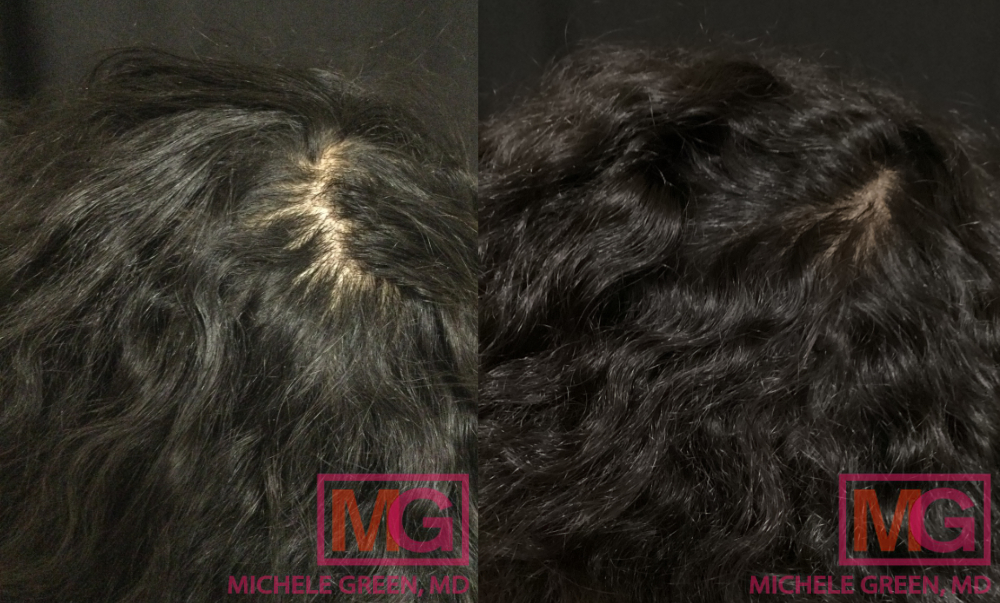
How dermatologists treat hair loss: Getting started with hair loss treatment today
Dermatologists play an essential role in diagnosing and treating hair thinning by identifying the underlying cause and developing a treatment plan tailored to each patient’s needs. Hair loss can affect both men and women and often develops gradually, making it difficult to determine the cause of shedding or thinning without a professional evaluation. Many patients feel frustrated by hair loss and are unsure which treatments are effective or appropriate for their specific condition. When the cause of hair thinning is properly identified, medical and in-office treatments can help strengthen hair follicles, slow ongoing shedding, and support healthier hair growth over time. Early evaluation is especially important, as addressing hair loss sooner can help preserve existing follicles and improve long-term results. An experienced board-certified dermatologist, such as Dr. Michele Green in NYC, will work closely with you to create a personalized hair restoration plan designed to support thicker, healthier-looking hair and restore confidence.
Dr. Michele Green is an internationally renowned board-certified dermatologist with over 25 years of experience providing her patients with the best non-invasive treatment options. At her private boutique dermatology office in Manhattan’s Upper East Side, Dr. Green takes a personalized and comprehensive approach to hair restoration, carefully evaluating each patient’s scalp health, medical history, and individual concerns. Consistently recognized by Castle Connolly, New York Magazine, and Super Doctors as one of New York’s best dermatologists, Dr. Green is known for her dedication to her patients and expertise. Please call us at 212-535-3088 or contact us online today to schedule a consultation with Dr. Michele Green and get started addressing your hair loss.


