


Combining Botox With Other Cosmetic Treatments
Botox has become a popular and trusted cosmetic treatment for reducing fine lines and wrinkles, especially on the face. This injectable contains botulinum toxin, a neurotoxin that temporarily relaxes or paralyzes specific muscles. This eases the appearance of common expression lines, such as crow’s feet—small lines at the outer corners of the eyes—frown lines between the eyebrows (glabellar lines), and horizontal lines across the forehead. Botox not only improves skin smoothness and reduces wrinkles but also involves minimal recovery time. Besides its cosmetic benefits, Botox is used to treat medical conditions like chronic migraines, excessive sweating (hyperhidrosis), muscle spasms, and certain neurological disorders. Its wide range of applications is a key reason why Botox remains a popular choice for those seeking to enhance their appearance or address health issues.
A common question is, “Is it safe to combine Botox with other treatments during one appointment?” It is generally safe to combine Botox with various other aesthetic procedures during a single visit, although some treatments should be spaced out to allow proper healing. Botox can be effectively paired with dermal fillers, chemical peels, and laser therapies to enhance results and target multiple areas simultaneously. While Botox is one of the most popular injectable treatments for reducing fine lines and wrinkles, many patients want to explore alternative options or complementary procedures. Scheduling a consultation with board-certified dermatologist Dr. Michele Green in NYC helps patients explore treatment options and find the best combination of procedures.
Dr. Michele Green is a highly regarded Allergan Platinum Injector of Botox in New York City and is widely recognized as a leading expert in cosmetic injectables and noninvasive facial treatments. With over 25 years of experience, Dr. Green has established herself as a pioneer and innovator, committed to improving her patients’ lives through skilled, effective aesthetic procedures. Her exceptional expertise and dedication to patient care have earned her ongoing recognition from prestigious organizations and publications, including Castle Connolly, Super Doctors, The New Yorker, and The New York Times, which often list her among NYC’s top dermatologists. Dr. Green’s extensive experience with Botox and various noninvasive treatments enables her to create personalized treatment plans, guiding patients on the best combination of procedures to achieve their aesthetic goals and advising which treatments may not be suitable for combination with Botox.
What is Botox?
Botox, known scientifically as onabotulinumtoxinA, is a highly purified injectable treatment made from botulinum toxin type A. The active component, botulinum toxin, works by temporarily blocking nerve signals to specific muscles. This prevents muscle contractions and allows the skin above to relax, which is why Botox is often used to diminish facial lines caused by habitual expressions, including but not limited to horizontal forehead lines, crow’s feet at the outer corners of the eyes, and vertical lines between the eyebrows, commonly called glabellar lines. Several Botox alternatives are available, such as Dysport, Xeomin, Jeuveau, and Daxxify, all of which are neuromodulators. Usually, the effects of Botox become noticeable within 2 weeks after injection and last approximately 3 to 4 months. This makes Botox an appealing non-surgical option for facial rejuvenation and can significantly reduce the need for more invasive procedures, such as plastic surgery.
In addition to its cosmetic uses, this carefully purified formulation offers therapeutic benefits by treating various medical conditions. These include chronic migraines, where Botox can decrease the frequency and severity of headaches; muscle spasms, which may happen in disorders like cervical dystonia; and excessive sweating, or hyperhidrosis, which can be socially and emotionally distressing for those affected. Botox is FDA-approved and is considered safe and effective when administered by a qualified board-certified dermatologist such as Dr. Michele Green.
How does Botox work?
Botox is a neuromodulator that specifically targets the neuromuscular junction—the point where nerve cells communicate with muscles. When Botox is injected into certain muscles, it temporarily blocks the release of acetylcholine, a neurotransmitter that signals muscles to contract. As a result, the affected muscles become less active and can be described as “frozen,” meaning they cannot contract normally. This inhibition of muscle contractions is especially useful for reducing the appearance of dynamic wrinkles, which are lines and creases caused by repeated facial movements such as smiling, frowning, or squinting. By decreasing muscle activity associated with these expressions, Botox helps prevent new wrinkles from forming and can create a smoother, more youthful look. Patients typically notice results about two weeks after treatment, as it takes time for the full effects to develop. The effects of Botox usually last three to four months, depending on factors like metabolism, the strength of the treated muscle, and the dosage used. Dr. Green recommends scheduling Botox treatments every 3 to 4 months, or more often if you notice increased muscle activity.
Where is Botox most commonly injected?
Botox is most commonly used cosmetically to treat dynamic facial wrinkles, lines caused by muscle movement. This treatment has undergone extensive clinical trials confirming its safety and effectiveness in reducing the appearance of fine lines and creases. Specifically, Botox is FDA-approved for use on several areas of the face, including the forehead, the area between the eyebrows (often called the glabellar region), and the corners of the eyes, known as crow’s feet. During treatment, a board-certified dermatologist, such as Dr. Green, will conduct a thorough assessment to understand your aesthetic goals and individual needs. She will then carefully inject small amounts of Botox into targeted areas of the face where dynamic wrinkles have started to develop. This strategic placement of Botox not only helps reduce the appearance of wrinkles but can also assist in subtle facial contouring by relaxing the muscles that tend to pull facial features downward over time. The injections work by blocking the release of neurotransmitters that signal these muscles to contract. By preventing these contractions, Botox effectively smooths existing wrinkles and can also help prevent new lines from forming, providing a rejuvenated, refreshed look. Botox takes about 2 weeks to settle fully and usually lasts 3 to 4 months, making it a popular choice for those seeking non-surgical facial rejuvenation.
Good Candidates for Botox
A good candidate for cosmetic Botox is someone looking to effectively reduce the appearance of dynamic wrinkles caused by repeated facial expressions. These wrinkles often include frown lines between the eyebrows, horizontal forehead lines, and crow’s feet—fine lines radiating from the outer corners of the eyes. Many patients consider Botox when they notice these expression lines persist even at rest or when makeup settles into fine lines that weren’t previously visible. Interestingly, Botox can also benefit younger patients worried about early signs of aging. Starting Botox early can help soften these initial lines, preventing them from deepening and becoming more noticeable over time. During an initial consultation, Dr. Green will perform a detailed assessment, including evaluating facial movement, skin quality, and the patient’s aesthetic goals. This evaluation helps determine if Botox is the best treatment option for their needs. This thorough approach enables a personalized treatment plan tailored to the patient’s unique requirements and expectations.
The Botox injection procedure
Before getting Botox injections, it’s essential to have a detailed consultation with Dr. Green at her private dermatology clinic in New York City. This initial appointment allows you to discuss your specific aesthetic concerns and goals, which helps in creating a personalized treatment plan. During the consultation, Dr. Green will carefully review your medical history, including any previous cosmetic procedures and your overall health. This information is important for determining whether Botox is suitable for you. Medical photographs will also be taken to record your baseline appearance. These photos help plan your treatment and serve as a reference to monitor your results afterward. After this assessment, you will review your options for Botox injections. Depending on your schedule and preferences, the injections can be done on the same day as your consultation or scheduled for a later time. To prepare for your Botox treatment, it’s recommended to avoid blood-thinning medications such as Aspirin, Aleve, and Motrin for at least two weeks before your appointment.
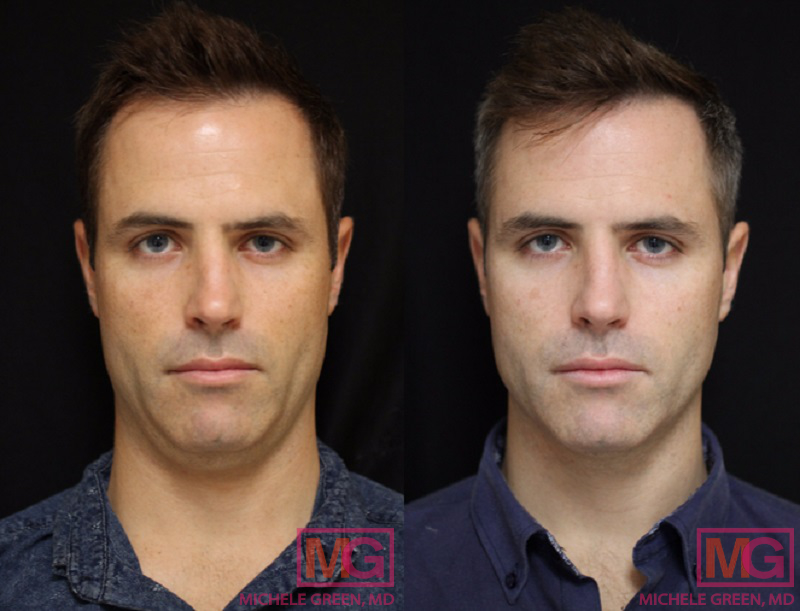
Additionally, avoid taking multivitamins, fish oil, or other supplements that could increase the risk of bleeding. This helps reduce the likelihood of bruising at the injection sites. On the day of your appointment, when you arrive at Dr. Green’s office, the treatment area will be thoroughly cleaned and prepped to ensure a sterile environment. Dr. Green will then carefully mark the injection sites on your face, taking into account your unique facial structure to optimize results. The Botox will be injected with a small, ultra-fine needle, which helps reduce discomfort. Immediately after the injections, an ice pack will be applied to minimize swelling and soothe your skin. Afterward, Dr. Green will provide detailed aftercare instructions on maintaining your results and reducing side effects. Many patients find it helpful to schedule a follow-up appointment two weeks after treatment to review the results. During this visit, you can discuss the outcome and decide if additional Botox is necessary to achieve your desired look. This thorough approach ensures personalized care and the best possible results from your Botox treatment.
Side Effects of Botox
Botox injections are generally regarded as a safe cosmetic procedure with a low risk of serious side effects. Most patients experience only mild, temporary effects following treatment. Common side effects include slight redness at the injection site, minor swelling, and occasional bruising, which usually go away within a few hours to a few days. Occasionally, patients might develop mild headaches, especially if Botox is used on the face, although these are not the most common side effects. To minimize the risk of side effects, it’s essential to have Botox injections performed by a board-certified dermatologist with extensive experience, such as Dr. Michele Green.
Other potential side effects of Botox, though less common, may include:
- Flu-like Symptoms: Some patients may report feelings of fatigue, malaise, or mild aches that resemble flu symptoms.
- Dry eyes or excessive tearing: Patients might experience dry eyes or, conversely, excessive tearing, which could indicate a sensitivity to the treatment.
- Drooping Eyelid (Ptosis): This occurs when Botox affects the nearby muscles, temporarily causing a droopy eyelid.
While rare, immediate allergic reactions are serious and warrant urgent medical attention. Symptoms indicative of such reactions may include:
- Itching or Rashes: In some cases, the skin may develop itchy rashes or red, itchy welts.
- Respiratory Issues: Wheezing or asthma-like symptoms can occur following an injection.
- Dizziness: Patients may feel lightheaded or faint, which can progress to more serious problems if left untreated.
There are also rare side effects associated with botulinum toxin products, including:
- Difficulties with Breathing or Speaking: This may present as significant difficulty talking (dysarthria) or swallowing (dysphagia).
- Vision Disturbances: Double vision or blurred vision can occur in rare circumstances, affecting overall visual clarity.
- Urinary Incontinence: Some patients may face loss of bladder control, making it imperative to consult a physician if this occurs.
- Voice Changes: A hoarse voice can present following treatment, which typically subsides but can be concerning.
- Neck Pain: Following injections, some patients report neck discomfort.
- Paralysis: In extremely rare instances, paralysis may occur, often in a localized area.
- Neutralizing antibodies: reduced treatment effectiveness or complete resistance, which occurs in roughly 1 to 1.5% of patients. Although uncommon, these antibodies can cause Botox to wear off quickly or stop working entirely, particularly with high-dose medical treatments.
If any serious side effects occur after a Botox injection, it is crucial to stop further treatments and contact your healthcare provider right away. Patients should report any adverse effects following Botox injections to the FDA’s MedWatch program at www.fda.gov/medwatch to help improve safety and track treatment outcomes.
Cosmetic Treatments to Combine with Botox
While Botox is highly effective on its own, it can also be easily combined with other cosmetic treatments to enhance overall results. When seeking a more comprehensive transformation, many patients choose to pair Botox with dermal fillers to restore volume and fullness to the cheeks and lips. Additionally, procedures such as chemical peels and laser skin resurfacing can improve skin texture and tone, enhancing Botox’s wrinkle-reducing effects. When consulting with Dr. Michele Green, she will create a strategic plan for cosmetic treatments that enables patients to address multiple skin concerns at once and achieve a more youthful, refreshed appearance. Some popular cosmetic treatments often combined with Botox include:
Laser treatments
Laser treatments provide an effective way for patients to enhance their facial appearance, especially when combined with Botox. While Botox relaxes the facial muscles responsible for dynamic wrinkles—those lines that appear during facial expressions—laser therapies target various skin issues that can also impact overall aesthetics. These concerns include uneven skin tone, sun damage, redness, and skin texture problems. At Dr. Michele Green’s office, patients have access to a wide range of advanced laser procedures for treating specific skin issues.
The VBeam laser is a sophisticated Pulsed Dye laser designed to target vascular lesions and persistent facial redness. This laser treatment is especially helpful for patients with conditions like rosacea, broken capillaries, and other blood vessel issues. By using a specific wavelength of light, the VBeam effectively reduces these problems, giving patients a clearer, more even skin tone.
The Fraxel laser is a non-ablative fractional laser that effectively treats various skin concerns, especially sun damage and fine lines. This technology promotes skin renewal, boosts collagen production, and improves overall skin texture. This results in smoother, more youthful-looking skin, making it an excellent option for those wanting to reverse signs of aging and enhance their skin’s appearance with minimal downtime.
The AlexTrivantage laser is a targeted Q-Switched laser that effectively reduces discoloration, treating both superficial and deeper pigmentation issues, resulting in a more balanced, radiant complexion. Patients often notice significant improvements in skin tone and clarity after treatments with this advanced technology.
Clear + Brilliant laser — a gentle and effective option for overall skin rejuvenation. It works by delivering light energy to the skin, improving clarity and radiance. This procedure is especially suitable for patients aiming to preserve their skin’s youthfulness and vibrancy, as it can enhance texture and tone with minimal discomfort and downtime.
eMatrix laser — a cutting-edge treatment that uses radiofrequency energy to stimulate collagen production deep within the skin. This technology effectively targets various skin concerns, including wrinkles, scars, and skin laxity. By promoting deep tissue regeneration, the eMatrix laser helps tighten and firm the skin while enhancing its texture and appearance, resulting in a more youthful, rejuvenated look.
When Botox is strategically combined with laser treatments, patients can achieve comprehensive improvements that address dynamic wrinkles and boost the skin’s overall quality. This holistic approach can lead to a more youthful, smoother, and radiant complexion. To ensure the best results, it is important to schedule a consultation with Dr. Michele Green. During this personalized appointment, patients can discuss their specific concerns, explore suitable treatment options, and create a customized treatment plan tailored to their skin type and aesthetic goals. The right combination and timing of treatments can maximize results, resulting in a revitalized appearance that reflects both inner vitality and outer beauty.
Non-surgical skin tightening treatments
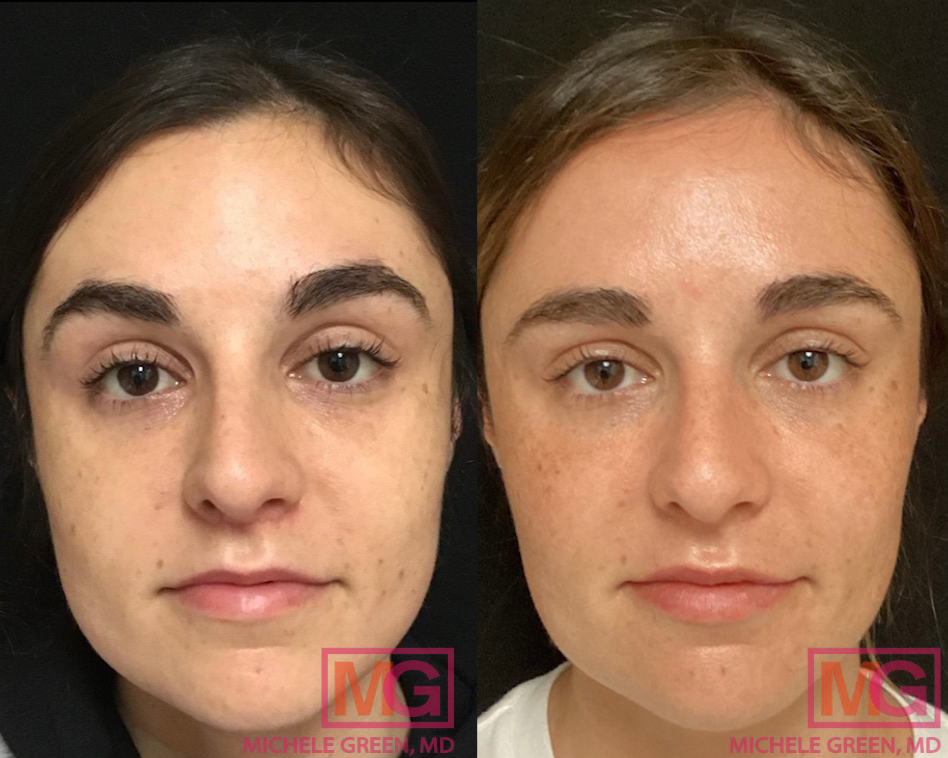
Non-surgical skin-tightening treatments offer a great alternative for those looking to rejuvenate their faces without traditional surgery. One popular method is the targeted use of Botox, which can be combined with various non-surgical facelift techniques. Botox works by temporarily relaxing facial muscles that cause expression lines and wrinkles, leading to smoother skin. To boost Botox results, non-surgical facelift options—including dermal fillers, skin-tightening devices, and collagen-stimulating treatments—aim to restore lost volume and improve skin laxity by targeting the face’s structural elements. At Dr. Michele Green’s office on the Upper East Side, patients receive personalized care to meet their aesthetic goals.
Thermage is an advanced, noninvasive treatment that uses modern radiofrequency energy to penetrate the deeper layers of the skin. Its primary effect occurs in the dermis—the inner layer of skin—where it effectively stimulates collagen production, a vital protein that helps maintain the skin’s elasticity and firmness. As patients undergo Thermage treatments, increased collagen levels lead to visibly tighter, smoother, and more youthful-looking skin, addressing issues such as laxity and sagging that often accompany aging. A key benefit of Thermage is its minimal downtime, allowing patients the flexibility to add other treatments, such as Botox, either the next day or several days later. When used together, Botox and Thermage offer powerful combined effects, targeting both muscle movements that cause wrinkles and improving overall skin tightness.
Vivace Microneedling represents a significant breakthrough in skincare. This FDA-approved, minimally invasive treatment uses radiofrequency (RF) microneedling to stimulate collagen production in the skin. During the procedure, the device uses fine needles to create controlled micro-injuries while also delivering RF energy to the treatment area. This dual-action approach effectively supports the body’s natural healing process, reducing facial wrinkles and fine lines while improving overall skin texture and tone. Patients can expect a more youthful appearance as their skin rejuvenates and revitalizes over time.
Dermal fillers complement Botox by providing targeted solutions to restore lost volume, smooth fine lines and wrinkles, and enhance facial contours such as the cheekbones and jawline. At Dr. Green’s dermatology clinic, a wide selection of dermal fillers is available, each with unique properties tailored for specific aesthetic goals. This variety allows clinicians to select the most suitable filler for each patient’s needs, considering different formulations and particle sizes to achieve the desired results. Combining dermal fillers with Botox offers patients a comprehensive approach to facial rejuvenation that targets multiple aspects of aging.
In many cases, Botox can be safely administered during the same appointment as certain non-surgical facelift treatments, allowing patients to achieve maximum results in a single visit. However, some treatments might require a short waiting period depending on the technology used and how the skin responds. A thorough consultation with a board-certified dermatologist or plastic surgeon is essential to identify the most suitable skin-tightening treatment for you.
Dermal Fillers
Dermal fillers are essential for restoring facial volume, softening deep lines, and defining contours. They are commonly used alongside Botox for optimal results. Hyaluronic acid-based fillers like Juvéderm and Restylane effectively address volume loss in areas such as the cheeks and nasolabial folds. Combining Botox with specific fillers, such as Juvéderm Ultra Plus, provides natural-looking results that smooth expression lines and improve lip fullness. These treatments can often be completed in a single session, with Botox effects appearing in two weeks and Juvéderm lasting up to a year. Mild, temporary side effects may occur, underscoring the importance of professional administration by a qualified, board-certified dermatologist such as Dr. Michele Green.
Sculptra, a distinctive dermal filler made from poly-L-lactic acid, is a collagen-boosting injectable that works well with Botox by restoring volume and enhancing firmness. When treating areas such as the temples or crow’s feet, it’s recommended to space treatments two weeks apart for safety and the best results. To create the most effective treatment plan tailored to your aesthetic goals, consult with a board-certified dermatologist like Dr. Michele Green, who can evaluate your skin, suggest options, and schedule treatments accordingly.
Microneedling
Microneedling is an innovative cosmetic treatment that uses a device with fine needles to create tiny injuries in the outermost layer of the skin, the epidermis. This triggers the body’s natural healing response, boosting collagen and elastin production. As a result, patients notice improvements in skin tone and texture, as well as in the appearance of fine lines and acne scars. When combined with Botox, microneedling not only enhances skin rejuvenation results but also more effectively addresses various skincare concerns. The two treatments work well together: microneedling refines skin texture and stimulates collagen growth, while Botox, a neuromodulator, temporarily relaxes muscles to smooth dynamic wrinkles. It is recommended to schedule your microneedling session with Dr. Michele Green either one day before or one week after your Botox injections. This timing helps keep the neurotoxin in its proper area, reducing the risk of migration.
Dr. Michele Green’s Upper East Side practice also offers the Aquagold Microneedling, a luxurious, minimally invasive option. This procedure uses a specialized device with 24-karat gold-plated microchannels to deliver a customized infusion directly into the superficial layers of the skin. The blend often includes Botox, hyaluronic acid, peptides, and vitamins tailored to each person’s needs. This treatment not only enhances skin hydration and reduces fine lines but also boosts radiance, all with nearly no downtime, making it especially appealing before special events. The effects of the Aquagold treatment can last up to six months.
In addition to traditional microneedling, Dr. Green offers microneedling combined with Platelet-Rich Plasma (PRP) therapy. This process begins with microneedling to create microchannels in the skin, which is essential for maximizing absorption. Then, the patient’s own PRP, rich in growth factors, is applied directly to the treated areas. This technique not only boosts the skin-rejuvenation benefits of microneedling but also accelerates healing. When combined with Botox, this treatment offers a comprehensive approach to revitalizing the skin while relaxing facial muscles, helping to reduce the appearance of wrinkles.
Additionally, radiofrequency microneedling is another advanced option available at Dr. Green’s practice. This technique combines the benefits of traditional microneedling with radiofrequency energy, which penetrates deeper into the skin to stimulate greater collagen and elastin production. RF microneedling is particularly effective at improving skin firmness and texture and diminishing the appearance of acne scars. Dr. Green uses the Vivace RF microneedling device to deliver precise treatments tailored to each patient’s needs. For optimal results, it is advised to wait several days after receiving Botox injections before undergoing RF microneedling, as the heat and increased circulation during the procedure can impact the stability of recently injected Botox.
Combining these treatments offers a comprehensive approach to skin rejuvenation, with Botox relaxing expression lines and RF microneedling strengthening and refining the skin’s underlying structure. For personalized advice on the best treatment options for you, consult with Dr. Michele Green. Schedule your appointment today to explore these advanced skincare choices and start your journey toward revitalized skin.
Sun damage treatments
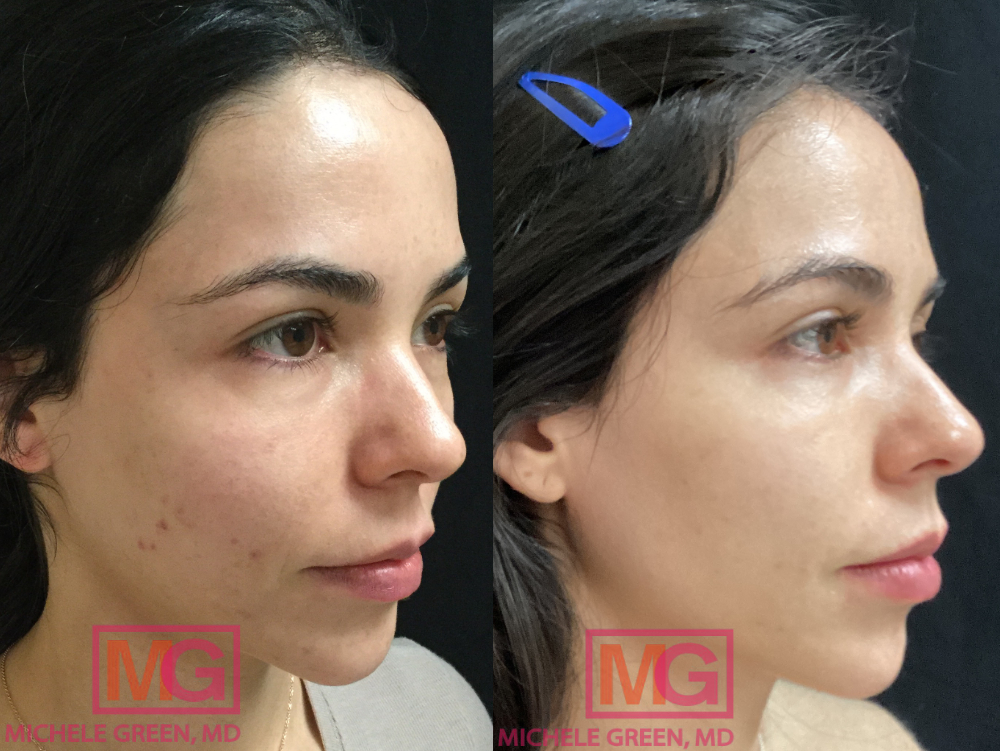
Many treatments for sun-damaged skin can be combined with Botox to create a more refreshed, even-toned complexion. Dr. Michele Green provides various chemical and laser options to enhance pigmentation, texture, and overall skin health.
- Chemical peels gently remove the outer layer of skin, eliminate dead skin cells, and promote collagen production. They improve overall texture, diminish fine lines, lighten dark spots, and help reduce acne scars. Multiple sessions can enhance results, and peels can be customized for different skin types and concerns to ensure optimal rejuvenation while preserving skin health.
- Cosmelan peels are specially designed to target melasma and persistent hyperpigmentation. They decrease melanin production in melanocytes and accelerate skin cell renewal. This results in a more even skin tone over time. The treatment also includes a home-care component to extend results, protect against sun damage, and maintain pigment reduction.
- Mesopeels are gentle chemical treatments designed to diminish discoloration and dark spots on sensitive areas such as the face, under eyes, neck, or chest. They are minimally invasive with little to no recovery time, making them ideal for patients wanting gradual pigmentation improvements without disrupting their daily routines. Multiple sessions are usually recommended for the best results.
- Fraxel laser is a non-ablative laser that targets sun spots, age spots, and other sun-damage-related issues while stimulating collagen production. Its microscopic columns treat only a small area of tissue at a time, helping to protect surrounding skin and speed up healing. Fraxel can reduce fine lines and improve skin texture while gradually evening out pigmentation, with mild redness and peeling lasting about a week after treatment.
- AlexTrivantage is a Q-switched laser that targets localized, benign pigmented lesions, such as sunspots. The laser energy breaks down pigmentation, allowing healthy new skin to grow back. Patients usually see results within one to two weeks, often after just a single session. This laser can safely treat multiple areas, including the face, neck, chest, arms, back, and hands.
- Clear and Brilliant is a gentle, noninvasive fractional laser treatment that improves sun-damaged skin, fine lines, enlarged pores, and uneven skin tone. It creates micro-injuries to activate the skin’s natural healing process and collagen production, encouraging the growth of new, healthy skin cells. The Clear + Brilliant Perméa handpiece is especially effective at targeting pigmentation, brown spots, and early signs of sun damage, making it safe and suitable for most skin types with minimal downtime.
Because chemical peels and laser treatments can temporarily irritate or exfoliate the skin, providers often recommend waiting two weeks between these procedures and Botox. Board-certified dermatologist Dr. Green will ensure that your treatments are timed and tailored for your skin type, helping you address both wrinkles and sun damage safely for smoother, healthier, and more luminous skin.
IPL or BBL treatments
Botox, a popular neurotoxin treatment, can be effectively combined with light-based therapies such as intense pulsed light (IPL) and broadband light (BBL) to provide a comprehensive approach to addressing both muscle-related wrinkles and surface-level skin concerns. IPL and BBL are advanced light therapies that use specially filtered light to penetrate the skin at different depths. These methods target various skin issues. They are particularly effective at correcting pigmentation irregularities, reducing redness, and minimizing sun damage. Additionally, they stimulate collagen production, which is crucial for maintaining skin elasticity and firmness. This collagen regeneration can improve skin tone and texture, resulting in a more radiant, even complexion. Combining Botox with IPL or BBL offers a multifaceted approach to aging. While Botox addresses the underlying muscle activity that causes wrinkles, the light-based treatments enhance the skin’s surface quality and overall appearance. This combined regimen can lead to smoother skin with a youthful, radiant glow, effectively revitalizing a person’s overall look.
HydraFacial
Combining Botox and HydraFacial treatments can greatly enhance your skin’s overall rejuvenation, giving you a more youthful, radiant appearance. A HydraFacial is a comprehensive, multi-step procedure that employs innovative, patented Vortex-Fusion technology, making it safe and effective for all skin types and tones, and carefully designed to target various skincare concerns. It begins with deep cleansing to remove impurities and dead skin cells. Then, gentle exfoliation helps unclog pores and promote cell turnover. This is followed by the infusion of hydrating, nourishing serums tailored to your specific skin needs, leaving your complexion well-hydrated and glowing. The results include improved skin tone and texture, fewer fine lines, and a general enhancement in the appearance of aging skin. HydraFacials can be conveniently scheduled with Dr. Michele Green either immediately before or several days after your Botox injections. When performed before Botox, a HydraFacial helps prepare your skin by thoroughly cleansing and hydrating it, creating an ideal surface for Botox application.
On the other hand, if the HydraFacial is performed after Botox injections, it is important to wait at least 2 weeks between treatments. This allows the Botox to settle and reduces the risk of displacement by the HydraFacial device if performed too soon after the injections. Since Botox and HydraFacial target different areas of skin renewal, they work well together. Combining them can deliver the best anti-aging results, resulting in a smoother, brighter, and more refreshed appearance.
Skin brightening treatments
Combining skin-brightening treatments with Botox can significantly enhance facial rejuvenation, resulting in a more youthful, vibrant appearance. Several procedures, such as chemical peels, specialized facials, and medical-grade skincare products, effectively target issues like dullness, uneven skin tone, and hyperpigmentation. Chemical peels involve applying a solution that exfoliates the skin’s outer layer, increasing cell turnover and revealing a brighter complexion underneath. Specialized facials may incorporate advanced techniques and products designed to hydrate, exfoliate, and improve skin texture. Meanwhile, medical-grade skincare products contain potent ingredients that penetrate deeply to address pigmentation issues and support overall skin health. To achieve the best results safely, these brightening treatments are typically scheduled alongside Botox injections. Ideally, they should be performed immediately before or a few days after the Botox procedure. This timing allows the neurotoxin to settle properly, ensuring that Botox’s effects—such as reduced wrinkles and fine lines—are not compromised by immediate skin manipulation. For optimal results, it’s essential to consult a board-certified dermatologist, like Dr. Michele Green. With her expertise, you can develop a personalized treatment plan tailored to your unique skin type and concerns. This comprehensive approach not only effectively reduces wrinkles but also improves skin tone, helping you achieve smoother, more radiant, and luminous skin.
Scar treatments
Botox, a well-known cosmetic treatment primarily used to reduce fine lines and wrinkles, can also play a significant role in scar management when combined with other treatments. This innovative approach aims to improve overall aesthetic results by targeting the underlying factors that influence scar healing. When injected around a scar, Botox temporarily relaxes the muscles in that area. This relaxation is important because tension on healing skin is a major cause of scars widening, thickening, or becoming more visible. By reducing this tension, Botox can help create a more favorable environment for proper skin healing, potentially enhancing cosmetic outcomes. Botox can also be effectively combined with various scar treatments, such as laser resurfacing, dermal filler injections, microneedling, and surgical scar revision. Each of these treatments offers unique benefits, including improved skin texture, reduced scar depth, and better discoloration. This combined strategy can be especially helpful for those with different types of scars, including acne scars, surgical scars, and mildly hypertrophic scars. Before starting this multifaceted scar management approach, it is essential to consult with a board-certified dermatologist, such as Dr. Michele Green. During a thorough consultation, Dr. Green can evaluate your individual case, discuss the suitability of combining Botox with other scar treatments, and develop a personalized plan to meet your specific skin improvement goals.
Acne treatments
Acne treatments can be effectively combined with Botox injections, providing dual benefits for skincare. After your Botox procedure, it’s important to use gentle skincare products throughout the day. This helps prevent skin irritation or accidental disturbance of the neurotoxin, which could affect the Botox results. Once the initial recovery period is over, you can safely resume your usual acne treatments without concern that they will interfere with the Botox. Common acne-fighting ingredients like salicylic acid and benzoyl peroxide help target and eliminate acne-causing bacteria, reduce inflammation, and clear blocked pores.
Additionally, using active ingredients like retinoids can offer anti-aging benefits; these promote skin cell turnover, improve skin texture, and help with acne. Chemical peels and professional facials can further brighten and clarify your skin, enhancing Botox’s wrinkle-reducing effects. Combining these acne treatments with Botox allows you to target fine lines and wrinkles while achieving a clearer, more youthful look. This comprehensive approach can lead to a refreshed appearance and better overall skin health.
Dermaplaning
Botox is often combined with dermaplaning to enhance skin rejuvenation. However, timing these treatments properly is crucial to avoid affecting Botox’s effectiveness. Dermaplaning is a gentle, noninvasive exfoliation that removes dead skin cells and fine vellus hair, also known as “peach fuzz.” This not only leaves the skin feeling incredibly smooth but also boosts absorption of skincare products, making serums, moisturizers, and other treatments more effective. Many skincare experts recommend doing dermaplaning before Botox injections because a clean, exfoliated surface allows for more precise application of the neurotoxin, ensuring it targets the right areas without interference from dead skin or hair. It’s important to note that dermaplaning does not affect the neurotoxins used in Botox, which makes this sequence beneficial for optimal results. If you already have Botox, it’s best to wait at least 3 to 5 days before scheduling a dermaplaning session. This waiting period lets the Botox settle into the targeted muscles, reducing the risk of migration to unintended areas. Since dermaplaning involves light pressure and a scraping motion across the skin, doing it too soon after Botox could accidentally spread the neurotoxin to nearby areas, decreasing its effectiveness and possibly causing unwanted effects.
Kybella
Botox and Kybella are two distinct cosmetic treatments that target different aesthetic concerns in various areas of the face and neck, making it completely safe and effective to undergo both procedures during the same appointment. If you’re considering these treatments, it’s important to consult with a board-certified dermatologist, such as Dr. Michele Green. She can help you develop a personalized treatment plan that aligns with your specific cosmetic goals and concerns. Kybella is an FDA-approved injectable that reduces submental fullness, commonly known as a double chin. It uses deoxycholic acid to effectively dissolve fat cells beneath the chin. Over time, this results in a noticeable reduction in fat, leading to a slimmer and more defined jawline.
On the other hand, Botox is well known for its ability to smooth the skin and reduce the appearance of fine lines and wrinkles, especially in areas like the forehead, around the eyes, and between the brows. Additionally, Botox can also improve the contour of the neck and jawline by relaxing the underlying muscles, helping create a more balanced facial appearance. When Kybella and Botox are administered during the same appointment, patients should expect mild side effects such as swelling, bruising, or tenderness in the treated areas during recovery. Dr. Green, who specializes in Botox cosmetic procedures and other treatments, will carefully place the injections. This careful approach helps achieve a natural-looking result while ensuring facial rejuvenation is both effective and aesthetically pleasing.
PRP for hair restoration
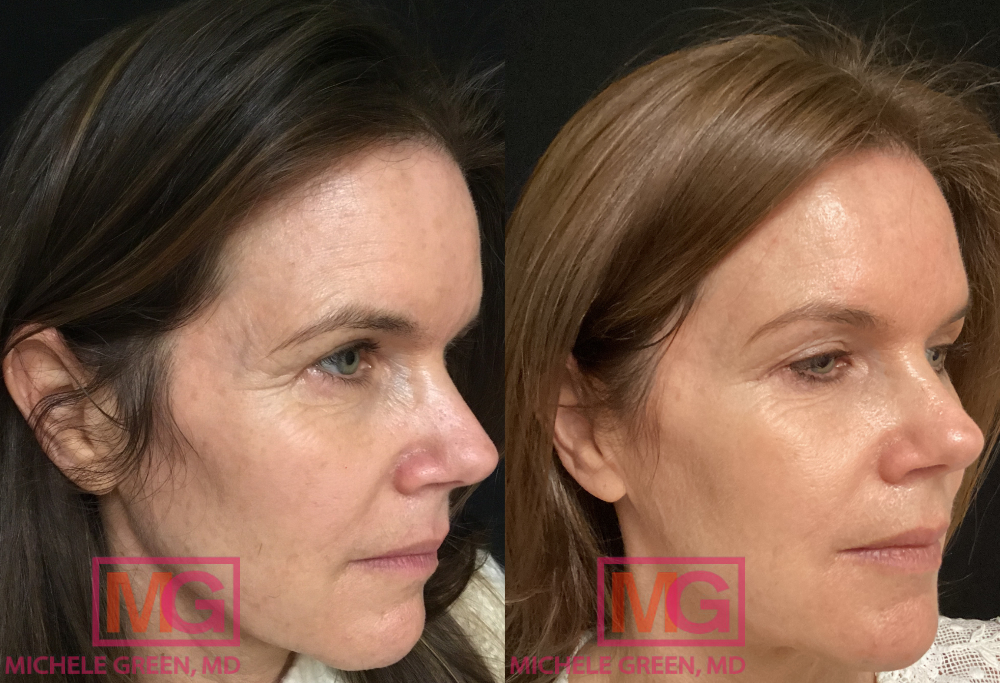
Platelet-rich plasma (PRP) therapy is a highly effective and completely safe option for patients seeking to improve their hair restoration. This innovative treatment starts with a simple procedure where a small amount of the patient’s blood is drawn. The blood is then processed in a centrifuge to separate its components, with particular focus on growth factors and platelets, which are crucial for stimulating hair follicles. Once the plasma is prepared, it is carefully injected into specific areas of the scalp that need rejuvenation. The growth factors in PRP help activate dormant hair follicles, encouraging increased hair growth and thickness over time. This natural method taps into the body’s own healing powers, making it a popular option for those seeking non-surgical hair-loss solutions. Importantly, patients can safely schedule a Botox treatment alongside PRP therapy for hair restoration. Since the areas treated with Botox—such as the forehead, crow’s feet, and other facial lines—do not overlap with the scalp, both procedures can often be done in one session or scheduled close together for convenience. Overall, combining PRP therapy and Botox can improve both hair restoration and facial appearance, offering a comprehensive solution for those aiming to rejuvenate their look.
Body contouring treatments
In recent years, combining Botox with various body contouring treatments has become increasingly popular, provided the treatment areas do not overlap. This combined approach allows patients to address both facial concerns and body shape simultaneously. While Botox effectively targets facial muscle movement to soften lines and wrinkles, body contouring procedures focus on removing stubborn fat deposits that resist diet and exercise. Among these procedures, CoolSculpting stands out as an effective, noninvasive treatment that uses cryolipolysis technology to freeze and eliminate fat cells without surgery. Patients seeking to improve their appearance can benefit from using Botox with CoolSculpting, as Botox smooths dynamic wrinkles. At the same time, CoolSculpting helps sculpt the body by reducing unwanted fat in areas such as the abdomen, thighs, and flanks. In addition to CoolSculpting, Kybella injections can also be part of a comprehensive treatment plan. Kybella is specifically designed to treat submental fullness, commonly known as a double chin. It works by dissolving fat cells in the targeted area, which can be especially helpful when combined with Botox, as this duo helps refine the neck and jawline contour while also reducing the appearance of wrinkles. This dual approach produces balanced, harmonious results that enhance overall aesthetics. It’s important to note that if Kybella and Botox treatments are performed during the same appointment, patients might experience mild swelling, bruising, or tenderness in the treated areas as they heal. These effects are usually temporary and typically resolve within a few days.
How long should I wait between Botox and other treatments?
The timing of Botox injections relative to other cosmetic procedures can significantly impact safety and results. It’s important to consult a board-certified dermatologist like Dr. Michele Green, who can evaluate your individual needs and develop a treatment plan that enhances aesthetic outcomes while ensuring safety. Dr. Green recommends not rubbing or massaging the treated areas for 24 hours, staying upright for at least 4 hours after forehead Botox to prevent toxin migration, and avoiding vigorous exercise on the first day after treatment. Intense workouts can raise blood pressure and increase circulation, potentially interfering with Botox’s settling process. Maintaining a consistent skincare routine also supports skin health and may improve Botox results. Using nourishing moisturizers and antioxidant-rich products, such as Vitamin C serums, can enhance skin texture and radiance, complementing Botox’s rejuvenating effects. Ultimately, scheduling your Botox treatments in coordination with other cosmetic procedures and following Dr. Green’s post-treatment instructions is crucial. Discussing the ideal interval between treatments with her helps achieve optimal results while keeping your skin safe and healthy.
How do I get started with Botox and combination treatments today?
Botox, scientifically known as botulinum toxin, is one of the most effective and versatile non-surgical cosmetic treatments for reducing the appearance of fine lines and wrinkles on the face. Its main function is to temporarily relax the muscles responsible for facial expressions, thereby reducing dynamic wrinkles. Common treatment areas include the forehead, crow’s feet around the eyes, and frown lines between the eyebrows. When Botox is combined with complementary procedures, such as dermal fillers, laser treatments, microneedling, chemical peels, or skin-tightening therapies, the results can be even more noticeable, offering comprehensive facial rejuvenation. By targeting multiple aspects of the aging process—including repetitive muscle movement, collagen loss, uneven skin texture, and pigmentation changes—these treatments work together to create smoother, firmer, and more luminous skin. Scheduling a consultation with an experienced, board-certified dermatologist like Dr. Michele Green is essential. During this consultation, a personalized treatment plan can be designed to address your unique skin concerns and help you achieve your desired results both effectively and safely.
Dr. Michele Green is a globally recognized, board-certified dermatologist with over 25 years of experience providing innovative, noninvasive cosmetic treatments to some of the world’s most selective clients. As an Allergan Platinum Botox injector in NYC, Dr. Green has extensive expertise in cosmetic injectables and advanced facial rejuvenation techniques. She follows a holistic, less-is-more approach in aesthetic medicine, customizing each treatment plan to achieve natural-looking, youthful results. Dr. Green is consistently featured by Castle Connolly, Super Doctors, New York Magazine, and The New York Times as one of New York City’s top dermatologists for her skill and commitment to patient care. If you’re interested in Botox or want to explore combining Botox with other cosmetic treatments, contact us today to schedule a consultation at her private dermatology practice by calling 212-535-3088 or reaching out online.


