


Are Acne Scars Permanent?
Acne vulgaris is the most common skin condition in the United States, affecting up to 50 million Americans each year, according to the American Academy of Dermatology. Researchers estimate that one in five people with acne will develop scars from their breakouts. These marks can be upsetting because they develop when the skin’s natural healing process produces either too much or too little collagen to repair damage from different types of acne lesions. Treating acne scars is often more challenging than treating the initial acne, and many individuals may feel self-conscious or have low self-esteem because of them. Consulting with an experienced, board-certified dermatologist like Dr. Green in New York City is a great way to develop a safe, personalized treatment plan for acne scars.
Acne scars form from collagen loss that happens when an acne breakout damages the skin barrier. There are two main types of acne scars: atrophic and hypertrophic. Atrophic scars, which include rolling, boxcar, and icepick scars, are indentations in the skin caused by insufficient collagen production. In contrast, hypertrophic scars, such as keloids, are raised scars resulting from excessive collagen. Although not classified as true acne scars, dark spots called post-inflammatory hyperpigmentation, along with other persistent marks, can also appear after inflammatory acne. Fortunately, many treatments are available that can improve the appearance of acne scars and stimulate collagen production in the skin. These include traditional microneedling, radiofrequency microneedling, subcision with dermal fillers, laser resurfacing, steroid injections, and chemical peels, all tailored to the specific type of scars. When you consult with Dr. Green, she will evaluate your individual scars and craft the best treatment plan designed to leave you with smooth, beautiful skin.
Dr. Michele Green is a board-certified dermatologist with over 25 years of experience treating a diverse range of patients with non-invasive procedures, including laser treatments, dermal fillers, and Botox. Dr. Green takes a holistic approach to cosmetic dermatology, tailoring each patient’s treatment plan to their specific scars, skin type, tone, and concerns. She is regularly recognized by Castle Connolly, Super Doctors, New York Magazine, and The New York Times as one of New York City’s top dermatologists for her expertise and dedication to patient care. During your consultation, Dr. Green will review your medical history and unique acne scars to develop a customized treatment plan to achieve a smooth, radiant complexion that lasts.
What is Acne?
Acne vulgaris is the medical term for the skin condition commonly known as acne, one of the most widespread skin conditions worldwide. This condition occurs when the oil-producing glands in the skin’s pores become blocked by excess sebum, dead skin cells, and other debris on the surface of the skin. When this happens, bacteria can get trapped in the pores and multiply rapidly, causing swelling, redness, tenderness, and irritation, often seen with pimples. Although acne vulgaris is often associated with teenagers, people of all ages can be affected. It usually appears on visible areas such as the forehead, chin, nose, upper back, and shoulders, but lesions can develop anywhere oil glands are present. Several factors contribute to acne development, including genetics, hormonal changes, diet, stress, personal hygiene, skincare routines, environmental conditions, and side effects from certain medications. If left untreated, even a single cyst or persistent whitehead can lead to long-term problems such as permanent scarring and skin discoloration. A licensed dermatologist, like Dr. Green, can help identify the underlying causes of breakouts and create a personalized treatment plan to effectively treat them.
What are acne scars?
Acne scars are the visible marks left on the skin after inflammatory acne lesions have healed. These lesions, including cysts, nodules, and pustules, cause significant inflammation that can lead to lasting damage to the underlying skin tissue. In response to this inflammation, the body tries to heal the affected area, but the outcome of this healing process is not always perfect. Collagen, a vital protein for skin structure and elasticity, plays a key role in skin repair. If the body produces insufficient collagen during healing, it can result in depressed scars, known as atrophic scars. Conversely, too much collagen can cause raised scars, called hypertrophic or keloid scars. It is important to note that some types of acne, such as blackheads and whiteheads, usually do not lead to scarring because they do not cause the same level of inflammation as more severe forms. As a result, scars from inflammatory acne lesions are often permanent, as the damaged skin does not regenerate well. However, several effective treatments are available that can significantly improve the appearance of acne scars. At Dr. Michele Green’s dermatology practice in New York City, patients have access to a variety of advanced non-invasive cosmetic procedures. These include laser therapy, which reduces the visibility of scars; microneedling, which stimulates collagen production through controlled skin injury; dermal fillers, which help lift and smooth out depressed scars; and chemical peels, which exfoliate the outer layer of skin to promote the growth of new, healthier skin. Each of these treatments offers a practical option for those seeking to reduce the appearance of acne scars and improve their skin’s texture and tone.
Types of Acne Scars
Atrophic scars
Atrophic acne scars form due to inadequate collagen production during the healing process after acne lesions. These scars appear as visible indentations on the skin, varying in depth and appearance, often resulting in a textured or uneven surface. There are three main types of atrophic scars, each with unique features: rolling, boxcar, and icepick scars.
- Rolling Scars feature shallow, wave-like indentations that give the skin a soft, rolling appearance. They are caused by loss of underlying tissue and are usually less visible than other scar types. Rolling scars tend to cast shadows, making them less noticeable in some lighting but more apparent in others.
- Boxcar scars appear as oval or round depressions with well-defined vertical walls. They are usually wider than icepick scars and can vary in depth. The sharp edges of boxcar scars make them seem more noticeable because they lack the gradual dip seen in rolling scars. These scars often look like chickenpox pockmarks and can be difficult to treat.
- Icepick Scars are among the most severe types of atrophic scars. They are narrow, deep, V-shaped indentations that penetrate the skin, resembling tiny puncture wounds. Icepick scars are often hard to treat due to their depth and unique shape, as they tend to cast strong shadows, making them more noticeable than other scar types. Overall, atrophic scars can significantly affect a person’s skin texture and appearance, leading to potential psychological effects.
Effective treatments for atrophic acne scars include dermal fillers, laser therapy, or microneedling, all designed to stimulate collagen production and improve skin texture. Identifying the specific type of atrophic scar can help determine the most suitable treatment options.
Hypertrophic scars
Hypertrophic scars are a specific type of raised scar that occurs when excess collagen is produced during healing after skin injuries, such as acne lesions, beyond normal levels. These scars usually stay within the original wound boundaries, meaning they do not extend beyond the initial injury area. They often appear as thickened, raised patches of skin that can range in color from red to brown. A notable subtype of hypertrophic scars is keloid scars. Keloids have a distinct growth pattern; unlike typical hypertrophic scars, they can grow and extend well beyond the edges of the original wound or acne lesion. This uncontrolled growth can lead to larger, more noticeable scars that may cause discomfort or itching. Over time, hypertrophic scars often become less visible as the skin naturally remodels and excess collagen breaks down. In contrast, keloids usually remain persistent and may continue to grow even after the skin has healed, making them more difficult to treat. People with hypertrophic or keloid scars should see a board-certified dermatologist to develop a personalized treatment plan that addresses their specific needs and skin type.
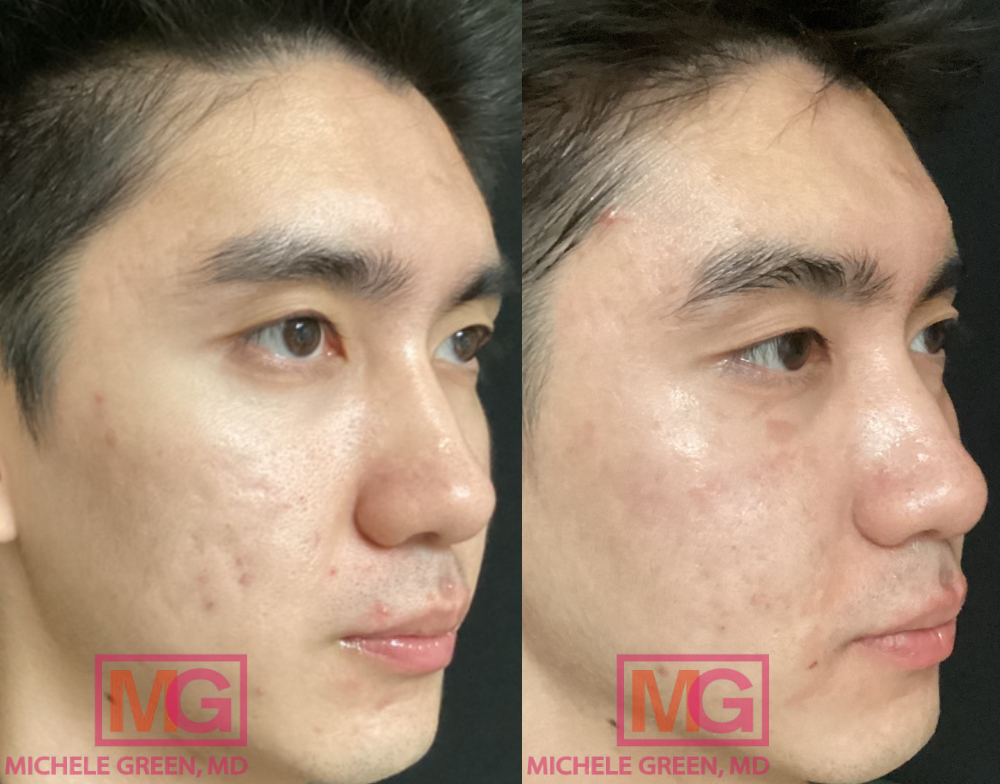
What type of acne scars are permanent?
Acne scars can be classified into different types, and while some may fade over time, others are generally permanent. Post-inflammatory hyperpigmentation, which shows up as brown spots on the skin, and post-inflammatory erythema, marked by redness, are temporary conditions that usually improve with proper care. However, cosmetic treatments can speed up this process. In contrast, atrophic scars, caused by significant collagen loss in the skin, tend to persist and do not heal on their own. These scars can take various forms, including icepick, boxcar, and rolling scars, each with distinct features and depths. Because of their permanence, individuals wanting to improve their skin’s appearance may benefit from treatments offered by a board-certified dermatologist, such as Dr. Michele Green. Treatment options may include laser therapy, microneedling, chemical peels, and fillers, all of which can help reduce the appearance of more severe scars and encourage healthier skin regeneration.
What causes permanent acne scars?
Acne scars can serve as a lasting reminder of past breakouts, mainly because severe acne episodes can cause significant inflammation that disrupts the skin’s collagen structure. When acne becomes inflamed—often appearing in cystic or nodular forms—it can lead to extensive damage to the skin tissue. This damage triggers the body’s natural healing response, which involves repairing the injured skin. However, this healing process doesn’t always go smoothly; it can sometimes happen too quickly or ineffectively. When healing results in a loss of collagen—a vital protein that gives the skin structure and support—this can lead to pitted or atrophic scars. These scars are characterized by depressions or indentations of varying depths, creating a textured skin surface. Conversely, there are cases where the body overcompensates for the damage by producing excess collagen. This overproduction can lead to hypertrophic scars, which are thick and raised above the surrounding skin. These scars form when the skin undergoes excessive tissue growth and are often seen in individuals prone to keloid formation. The development of either type of scar indicates an imbalance in the skin’s healing process. Several factors can influence this process, including the severity and duration of acne, genetic predispositions to scarring, hormonal influences, and a person’s skin type. Once formed, acne scars can be particularly difficult to treat, as they are deeply embedded in the skin’s structure. Improving the appearance of acne scars usually requires a multifaceted approach, including chemical peels, microdermabrasion, laser therapy, and fillers. It is best to consult with a board-certified dermatologist, Dr. Michele Green, to determine which treatment or combination of treatments is most suitable for you.
What do permanent acne scars look like?
Acne scars can appear in various forms. The most common types are rolling, boxcar, and icepick scars. Rolling scars have a wavy, undulating appearance, similar to gentle waves on the skin, caused by damage beneath the surface that creates shadowing. These scars can often be improved with treatments such as dermal fillers, which lift the skin and smooth the surface. Boxcar scars have sharp, well-defined edges and look like small oval or rectangular depressions. They are more noticeable on the face and may benefit from dermal filler treatments or laser therapies that boost collagen production and resurface the skin. Icepick scars are more difficult to treat, as they are deep, narrow scars resembling tiny puncture wounds or deep holes. Because of their depth and size, icepick scars are notoriously hard to treat effectively. For the best acne scar treatment, it’s recommended to consult with Dr. Michele Green to identify the type of scars you have and explore the most suitable treatment options.
What is a permanent acne scar treatment?
Permanent acne scar treatment offers various options, especially advanced laser procedures, to improve skin texture and appearance affected by scars. Common treatments include laser therapies like fractional laser resurfacing, which uses focused light energy to boost collagen production and promote skin renewal. Other options involve injectable fillers that quickly add volume to depressed scars, helping to create a smoother skin surface. Over time, these treatments can produce notable improvements, with many patients experiencing long-lasting results as collagen levels increase. However, it’s important to remember that collagen naturally declines with age, which can lead to reduced skin volume and potentially make scars more visible again. For optimal results, dermatologists often suggest combining treatments tailored to each person’s skin type and scar features. Additionally, consistent maintenance and proper skincare are essential to sustain the benefits of these treatments.
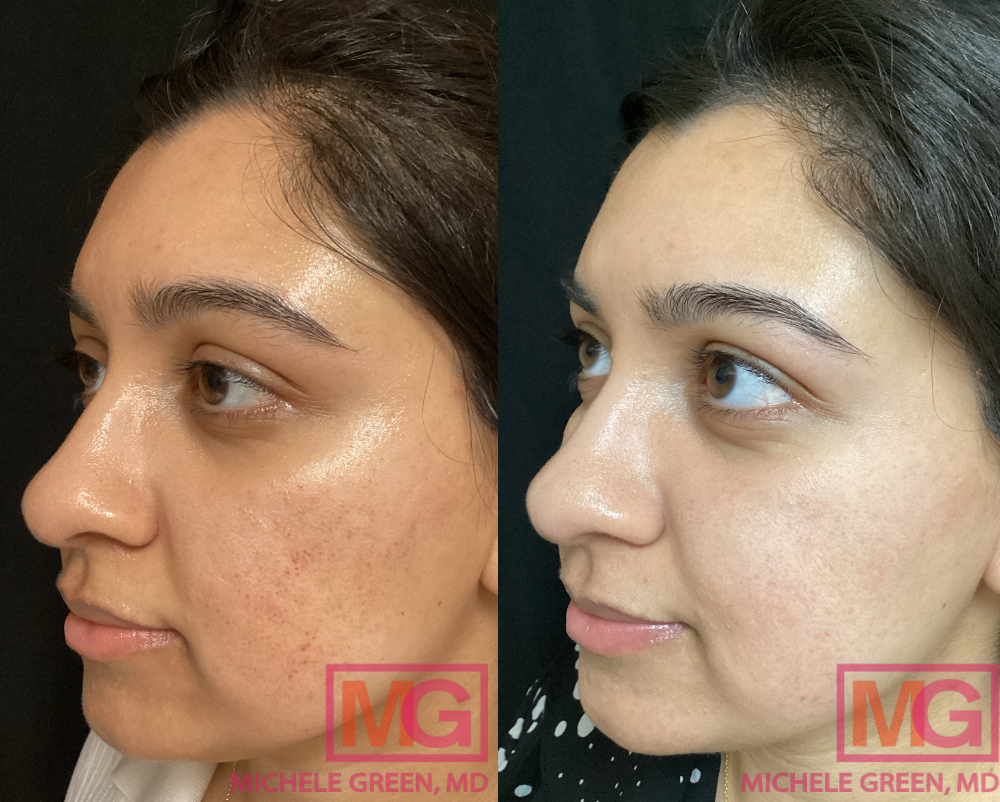
Treatments for Acne Scars
VBeam laser treatment
The VBeam laser is widely recognized as the most effective method for removing various shades of red pigmentation from the skin. This includes conditions such as acne scars, post-inflammatory hyperpigmentation, vascular lesions, broken capillaries, stretch marks, rosacea, and active acne outbreaks. This pulsed-dye laser operates at a specific wavelength that targets red pigment while leaving the surrounding skin tissue unaffected. It features a dynamic cooling device that emits bursts of cool air before each pulse, increasing patient comfort during the procedure. Patients appreciate that there is no downtime, enabling them to resume their normal activities immediately after treatment and to schedule follow-up sessions easily. Side effects are generally minimal and usually include slight swelling and redness that resolve quickly after treatment. Most individuals need between 4 and 6 VBeam laser sessions, spaced about four weeks apart, to reduce the appearance of acne scars or breakouts significantly.
Fraxel Dual laser
The Fraxel Dual laser is a fractional laser therapy often called the “magic eraser” by Dr. Green because of its impressive ability to improve various skin issues. The 1550nm wavelength targets uneven skin texture, including acne scars, fine lines, wrinkles, enlarged pores, and stretch marks. Meanwhile, the 1927nm wavelength focuses on sun damage, sun spots, and pigmentation problems. As a non-ablative laser, Fraxel preserves the outer skin layer while stimulating the growth of new collagen and elastin in the dermis. Its use of fractionated energy enables it to treat small sections of skin at a time, resulting in much shorter recovery periods. When treating acne scars and texture concerns, patients might experience mild redness and swelling, which usually disappear within 48 hours after the procedure. The number of Fraxel sessions needed varies between individuals, depending on the severity of their acne scars, with most patients requiring about 3 to 6 treatments.
Clear + Brilliant Laser
The Clear + Brilliant laser, often called the “mini Fraxel,” is a gentle and effective procedure suitable for all skin types and tones. This treatment targets superficial to moderate acne scars, post-inflammatory hyperpigmentation, fine lines, wrinkles, enlarged pores, and uneven skin tone and texture. Clear + Brilliant uses fractional energy to stimulate new collagen production in the treated areas, resulting in smoother, brighter, and healthier-looking skin with minimal recovery time. Additionally, this treatment enhances the skin’s ability to absorb topical serums, increasing the effectiveness of skincare ingredients such as vitamin C. Most patients need four to six sessions of Clear + Brilliant laser treatments, scheduled three to four weeks apart, to achieve optimal results.
Subcision with Dermal Fillers
Subcision is a minimally invasive surgical procedure in dermatology used to treat atrophic scars. In this process, a needle is inserted into the skin to cut the fibrous bands of scar tissue that connect the upper layers of skin to the tissues underneath. Once these attachments are broken and the fibrous scar tissue is released, it stimulates the production of new collagen in the area, leading to a gradual improvement in skin texture, making it smoother and more even. Dr. Green combines subcision with dermal filler injections to restore volume in the area and achieve a more uniform skin texture.
Dr. Green offers various dermal fillers to treat acne scars, including Juvederm, Restylane, and Sculptra. Juvederm and Restylane are hyaluronic acid-based fillers that provide immediate volume restoration to the treated area, usually lasting from six to twelve months, depending on the specific filler chosen. Sculptra is a unique dermal filler made of poly-L-lactic acid, which is a liquid injectable that encourages collagen production in the treated area. It gradually restores lost volume and improves skin texture. With a brief series of Sculptra treatments, the results can last up to two years or longer.
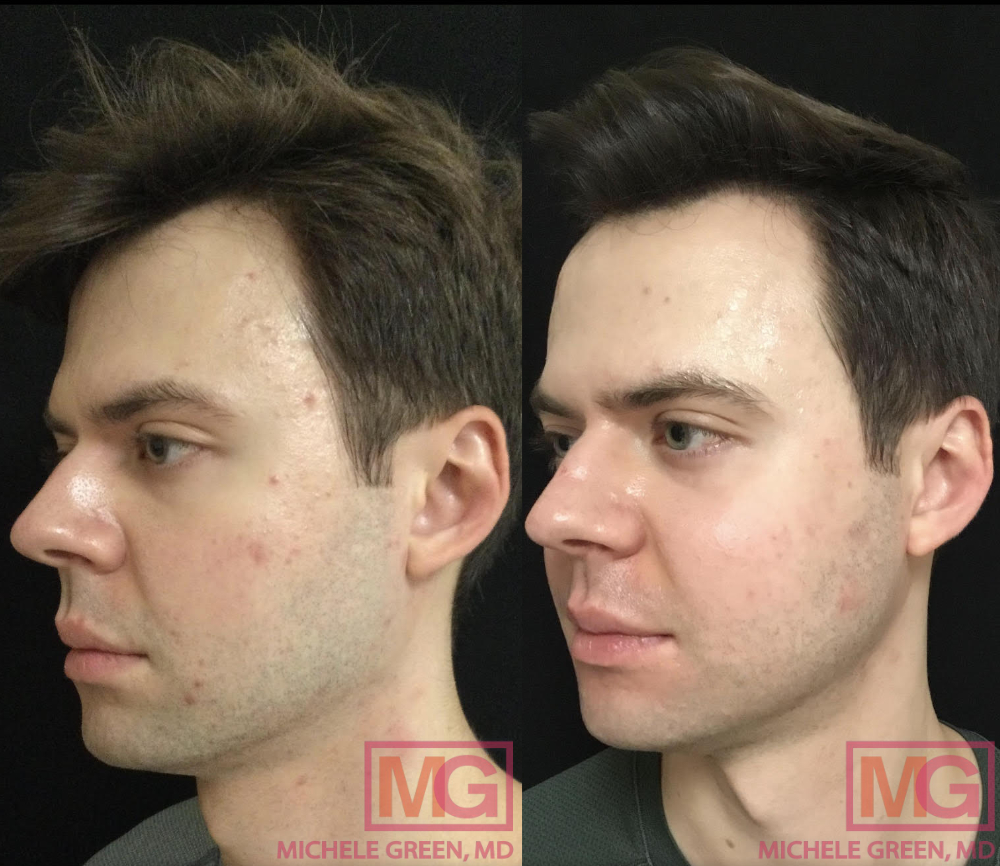
eMatrix
The eMatrix laser uses radiofrequency energy to stimulate collagen production in the skin’s dermal layers, resulting in a smoother texture and more even skin tone. This procedure is safe and effective for people of all skin types and tones, including those with darker skin. There is minimal downtime with eMatrix, and the most common side effects are mild redness, swelling, and tenderness in the treated area, which usually last about 48 hours. To improve the appearance of acne scars, most patients require 4 to 6 eMatrix treatments, spaced 4 weeks apart. However, those with more severe acne scarring may require additional sessions.
Microneedling
Microneedling, also known as collagen induction therapy, is an effective non-invasive treatment for reducing the appearance of acne scars. During a microneedling session, Dr. Green uses a handheld device with tiny needles that glide across the skin’s surface. This device creates thousands of microchannels in the skin, prompting a healing response and encouraging gradual collagen production. The result is a smoother, brighter, and healthier-looking complexion with fewer acne scars. As a minimally invasive procedure, microneedling requires very little downtime and has few potential side effects. It is considered safe and effective for all skin types and tones. Typically, patients undergo three to six sessions to achieve optimal results. The microchannels formed during microneedling increase the skin’s permeability, making topical serums more effective. Those seeking to address unwanted pigmentation and attain a more even skin tone may benefit from combining microneedling with a topical depigmenting serum. The serum used in Dr. Michele Green’s private dermatology practice is a unique blend of gentle yet potent agents designed to brighten the skin and target melanocyte function.
Additionally, patients can improve their microneedling treatment with platelet-rich plasma (PRP). PRP is a serum rich in epidermal growth factors that speeds up and enhances the wound healing process, encouraging further cellular regeneration. Since PRP is derived from the patient’s own blood, it is considered very safe. Dr. Green also offers microneedling with a depigmentation serum, which not only boosts collagen production but also helps fade any remaining acne scars from post-inflammatory hyperpigmentation.
Chemical Peels
A chemical peel is a non-invasive treatment that resurfaces the skin, improving the appearance of acne scars, post-inflammatory hyperpigmentation, and active acne. Chemical peels often use ingredients such as glycolic acid, salicylic acid, and lactic acid to exfoliate the skin. One common exfoliating agent in chemical peels is trichloroacetic acid (TCA). When applied topically, TCA promotes skin cell renewal, boosts collagen production, enhances the look of acne scars, unclogs pores, and results in a more even texture and tone. TCA peels come in various strengths, and your choice depends on your skin type, skin tone, and specific concerns. Most people will need a series of chemical peel sessions, spaced 3 to 4 weeks apart, to achieve the best results in treating acne scars.
Where to get acne scars removed?
When seeking to remove acne scars, the best step is to consult a qualified, experienced, board-certified dermatologist like Dr. Michele Green. Since everyone’s skin is different, various types of acne scars—such as atrophic, hypertrophic, or post-inflammatory erythema—may require specific treatments tailored to your skin. During your appointment, the dermatologist will thoroughly examine your skin and scars, review your medical history, and discuss any previous treatments. This detailed assessment helps them recommend the most appropriate options, including chemical peels, microdermabrasion, laser therapy, or fillers. It’s vital to work with a professional who can design a personalized treatment plan to minimize scar visibility, tailored to your skin type and sensitivities. While dealing with acne scars can be discouraging, the right guidance and treatment can greatly improve your skin’s appearance and boost your confidence. Dr. Green ensures you receive safe, effective care tailored to your individual needs.
Will I have acne scars forever?
Many patients wonder, “Are acne scars permanent?” While acne scars can be a lasting reminder of past breakouts, the good news is that effective treatments are available to significantly improve their appearance. These scars often result from the skin’s healing process after an acne lesion, which can cause discoloration or indentations. To address these issues, various cosmetic procedures can be used. Treatments such as chemical peels, laser therapy, microneedling, and dermal fillers are designed to even out skin tone and texture, helping reduce the visibility of scars. Chemical peels remove the top layers of skin to promote new cell growth. Laser therapies penetrate deeper layers to stimulate collagen production and fill in indentations. Microneedling activates the skin’s natural healing process, while dermal fillers temporarily plump depressed scars, creating a smoother appearance. It’s important to consult a dermatologist to find the best options for your skin type and scar severity. With the right approach, many people see significant improvements that can boost their confidence and restore a smoother, more even complexion. While complete scar removal isn’t always possible, effective treatment can help you achieve a clearer, healthier appearance over time.
Will acne scars eventually go away?
Acne scars can differ greatly in look and type, and recognizing these differences is key to understanding how they might respond to treatment over time. There are mainly three types of acne scars:
- Pigmentation scars are typically flat, dark patches that form from acne inflammation. They often show up as post-inflammatory hyperpigmentation and may take several months to fade.
- Atrophic scars appear as depressed or sunken areas on the skin and often result from severe acne. They can be classified into types such as icepick, boxcar, and rolling scars. While atrophic scars may improve naturally over time, many people seek treatments like microneedling, chemical peels, or fillers to achieve better results.
- Hypertrophic scars are raised and form when the body produces excess collagen during the healing process. These scars can also resolve over time, but the process may take longer and often responds well to treatments like corticosteroid injections or laser therapy.
While some acne scars may naturally fade over time, others might need treatment for the best results. It’s important to consult a dermatologist for personalized treatment options based on the specific type of scarring.
Acne Scarring FAQs
Which acne scar treatment is permanent?
When it comes to achieving long-lasting results for acne scars, certain treatments stand out for their ability to effectively boost collagen production. Among these, microneedling uses fine needles to create tiny punctures in the skin, triggering the body’s natural healing response and encouraging collagen and elastin growth. This process can gradually improve the appearance of various types of scars. Another effective option is Sculptra dermal fillers. Unlike traditional fillers that deliver immediate volume, Sculptra works over time by stimulating collagen production, resulting in a more natural, lasting improvement in skin texture.
Furthermore, laser treatments such as Fraxel are well-known for their effectiveness in treating deeper scar types. Fraxel lasers target both the skin’s surface and underlying layers, encouraging significant collagen remodeling. While treatments that focus on surface pigmentation can reduce discoloration, deeper scars need more advanced dermatological procedures to remodel collagen and produce a visible improvement in skin smoothness. By combining these treatments under the supervision of a board-certified dermatologist like Dr. Michele Green, individuals can work toward a more lasting solution for their acne scars.
Why are my acne scars not going away?
Acne scars can be a frustrating problem for many, often lasting due to permanent changes in the skin’s structure. These scars mainly come in two types: depressed scars, caused by collagen loss, and raised scars, resulting from excess collagen production. Unlike hyperpigmentation or redness, which might fade over time, acne scars indicate deeper tissue damage related to significant skin trauma. This trauma usually comes from severe and lasting episodes of inflammatory acne that weren’t treated properly early on. The healing process from acne involves several stages, and if inflammation is intense and long-lasting, it can interfere with normal collagen production and repair. As the skin heals, it may not fully regain its original texture or appearance, leading to scars.
Furthermore, the natural aging process and ongoing skin problems can slow down the fading of these scars. Usually, specific treatments are needed to improve their look, as they are unlikely to disappear on their own. If you are having trouble with acne scars that are not getting better, it is best to see a board-certified dermatologist for cosmetic options.
Why is my acne scarring so bad?
Acne scarring can be especially noticeable, leaving permanent marks on the skin when breakouts happen across the face or when acne treatment is delayed, leading to more breakouts and scars. When an inflamed blemish, such as a cyst or nodule (commonly seen in cystic acne), forms, it can cause considerable damage to the deeper skin layers, particularly the dermis. This layer is essential for maintaining the skin’s structure and elasticity. As the body works to heal this damage, the response may not always be ideal. Sometimes, the skin may produce too little collagen, which is crucial for maintaining skin health and structure. This shortage can result in depressed or sunken scars called atrophic scars. On the other hand, in some cases, the body may overproduce collagen during healing, leading to raised scars known as hypertrophic or keloid scars. The overall appearance and severity of acne scars depend on factors such as the type and severity of acne, a person’s skin type, and their unique healing response.
How do you get rid of acne scars in a day?
Although it is impossible to eliminate acne marks in just one day, various cosmetic treatments can greatly improve their appearance over time. While acne scar treatments often combine different procedures, hyaluronic acid fillers like Restylane or Juvederm give an instant boost after injection. Although fillers produce immediate results, acne scar treatments require patience and consistent use of other treatments to see full benefits. Additionally, topical products containing ingredients such as retinoids, vitamin C, or alpha hydroxy acids can help accelerate skin renewal and make scars less noticeable when used regularly. For those needing quick solutions, makeup techniques, such as applying a high-quality concealer, can temporarily hide acne scars and smooth the skin’s appearance. Although at-home dermabrasion has become popular for overall skin care, it’s best to consult a board-certified dermatologist like Dr. Michele Green to ensure you receive the safest and most effective treatment and avoid worsening scars.
When are acne scars permanent?
Acne scars are generally permanent unless treated professionally. This is mainly because scarring results from damage to the skin’s deeper collagen layer, which can lead to either tissue loss (atrophic scars) or excessive tissue growth (hypertrophic or keloid scars), not just superficial discoloration. While hyperpigmentation—dark flat marks left after acne—often fades naturally as the skin heals, more severe scars with pitted or raised textures typically do not improve without intervention. To effectively treat these types of scars, dermatological procedures such as laser therapy, microneedling, chemical peels, and dermal fillers are commonly used. These treatments stimulate collagen production, improve skin texture, and ultimately enhance the appearance of the affected areas. Consulting a dermatologist can help you determine the best approach for your particular type of scarring.
Will acne scars ever heal?
Acne scars are a common problem for many people who have had acne at some point. While it’s important to know that acne scars can fade over time, completely removing deep-textured scars usually needs professional treatment. Hyperpigmentation, which refers to the red or brown spots left after acne lesions heal, typically lightens gradually over 3 to 12 months, especially with regular sunscreen use. This natural fading depends on factors like skin type, sun exposure, and how well a person’s skin heals. In contrast, more severe scars—such as indented (atrophic) or raised (hypertrophic)—often do not improve much without specific cosmetic treatments. Treatments like laser resurfacing use focused light to remove the outer skin layers and boost collagen production, resulting in smoother skin. Microneedling creates tiny punctures in the skin, which also encourages collagen growth and can help reduce scars over time. Chemical peels apply a solution that exfoliates the skin’s surface and promotes the development of new, healthier skin. Ultimately, the best way to treat acne scars varies from person to person, and often combining several methods helps achieve the desired results. Seeing a dermatologist or skincare expert can provide personalized advice tailored to a person’s specific skin type and scar features.
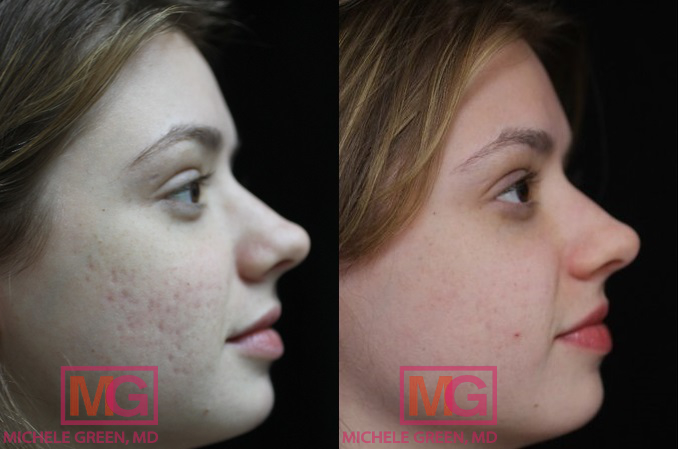
How to get started with your acne scar treatment today
Dealing with acne scars can be very frustrating for many people, especially after putting time and effort into treating the initial breakouts. These scars can impact not just appearance but also self-esteem. Luckily, those looking to reduce the appearance of these scars can turn to board-certified dermatologist Dr. Green in New York City, who specializes in a variety of innovative, non-invasive cosmetic treatments made specifically for this purpose. Dr. Green offers a wide range of advanced procedures customized to address different types and severities of acne scars. She believes in creating personalized treatment plans that include a mix of procedures, as well as effective prescription topicals and targeted over-the-counter products suited to each patient’s unique skin. By thoroughly examining your skin, Dr. Green will develop a personalized plan to fade your scars with minimal downtime and few side effects, helping you regain confidence and achieve a clear, smooth complexion that can be maintained over time.
With over 25 years of experience, Dr. Michele Green is a board-certified cosmetic dermatologist known for her exceptional skills and expertise in non-invasive aesthetic procedures. She has built a reputable practice serving a diverse clientele of discerning men and women from around the world. Dr. Green specializes in advanced treatments, including state-of-the-art laser therapies, innovative dermal fillers, Botox injections, and other rejuvenating techniques. She is consistently ranked among NYC’s top dermatologists by Castle Connolly, Super Doctors, New York Magazine, and The New York Times for her commitment to her patients and her expertise. Dr. Green adopts a holistic approach to cosmetic dermatology, emphasizing a “less-is-more” philosophy to achieve youthful, natural-looking results. If you’re ready to learn how to reduce your acne scars, schedule a consultation with Dr. Green by contacting us online or calling the NYC office at 212-535-3088.


