


Accutane for Hormonal Acne
Accutane is a trusted and highly effective treatment for individuals who struggle with persistent hormonal acne that doesn’t respond to traditional methods. Many patients experience deep, painful breakouts that often occur on the jawline, chin, chest, and back, where hormones significantly influence oil production. These breakouts can leave dark marks or scars and may affect confidence in school, at work, or in social settings. Hormonal acne often reappears despite consistent use of over-the-counter products and prescription creams. Accutane works by targeting acne from within the skin rather than just on the surface. Many people dealing with ongoing flare-ups feel relieved to finally have a treatment that addresses the root cause of their breakouts. They also appreciate that Accutane can reduce the risk of future scarring and help achieve clear, manageable skin.
Accutane is the brand name for isotretinoin, a prescription medication derived from vitamin A. It works by reducing the oil produced by the skin’s glands. When these glands are overactive, the excess oil combines with dead skin cells inside the pores, leading to clogged pores, inflammation, and painful cysts, often seen in hormonal acne. By lowering oil production, Accutane helps keep the pores clear, preventing new blemishes and allowing existing breakouts to heal. The medication also promotes skin cell turnover, which can lessen lingering redness, smooth uneven texture, and decrease inflammation. Throughout treatment, the dosage will be adjusted to meet each person’s needs, ensuring the medication is effective while the skin gradually becomes clearer and easier to care for. Over time, many patients finally find relief from deep, persistent breakouts that did not respond to other treatments.
Dr. Michele Green is an internationally recognized, board-certified dermatologist with over 25 years of experience in treating acne and boosting patient confidence. She is known for her thoughtful and personalized approach, which considers lifestyle, hormonal factors, and long-term skin goals when choosing treatments. Dr. Green focuses on therapies that promote healthy, natural-looking skin and on understanding each patient’s desires to help them feel confident in their appearance. She has consistently been named one of New York City’s top dermatologists by Castle Connolly, New York Magazine, and Super Doctors for her expertise and patient care. When you meet with Dr. Green at her private Upper East Side office, she will guide you through the entire Accutane process with close monitoring, skincare advice, and a personalized treatment plan that helps you feel confident in your skin during treatment and long after it is complete.
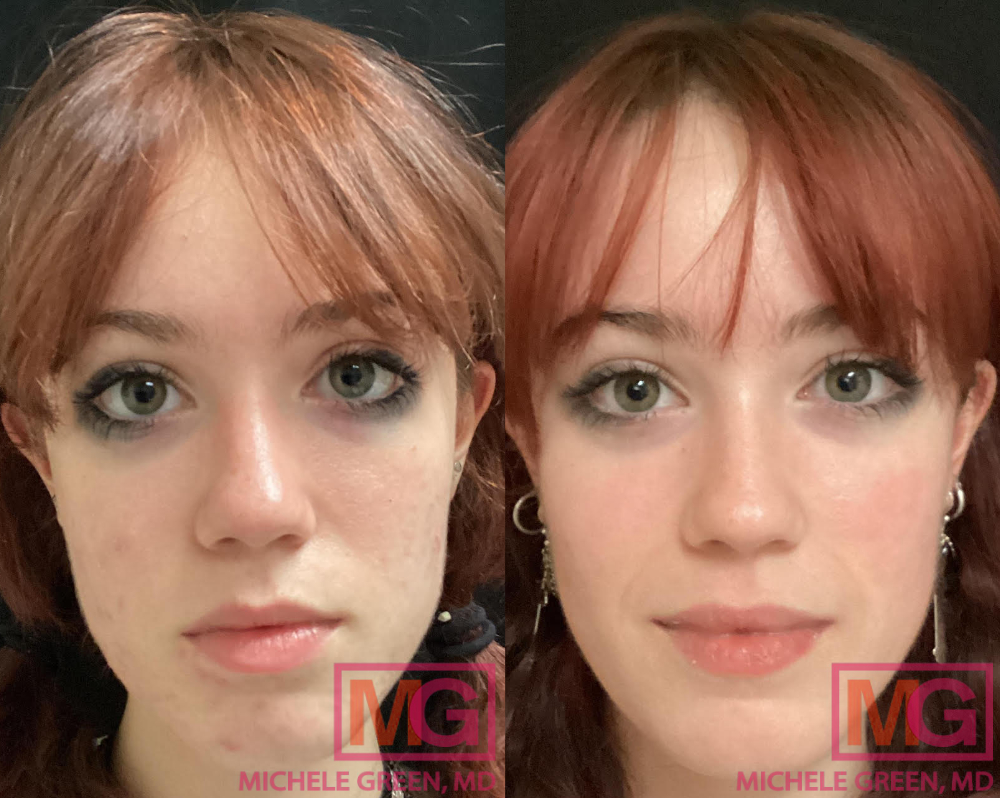
What is acne caused by?
Acne is caused by a combination of factors that occur inside the skin’s pores. When the oil glands produce too much sebum beyond the skin’s needs, it can mix with dead skin cells to form a plug in the pore. This blockage prevents the pore from remaining open, allowing bacteria that naturally live on the skin to multiply in the clogged area. The immune system responds to this buildup, leading to redness, swelling, and pimples. Hormonal changes can increase oil gland activity, which explains why many people get breakouts during puberty, around their menstrual cycle, or during stressful times. Genetic factors, skincare routines, and other lifestyle choices can also influence the likelihood that pores will clog. Changes in birth control can also affect hormone levels, potentially leading to new breakouts or making existing acne worse. Acne develops when these factors overwhelm the skin’s natural ability to stay clear. This type of acne is commonly called acne vulgaris, which includes blackheads, whiteheads, pimples, and sometimes deeper inflammatory lesions.
What is Accutane?
Accutane is the brand name for isotretinoin, a prescription medication derived from vitamin A used to treat acne that hasn’t responded well to other treatments. It reduces oil production in the skin, helping to prevent clogged pores and decrease deep, inflamed breakouts often associated with persistent or hormonal acne. As oil production decreases, pores stay clearer, and flare-ups become less frequent. Accutane also gradually reduces redness, making the skin appear calmer. It is one of the most effective acne treatments, offering long-lasting improvements for those who have tried multiple creams, oral medications, or procedures with little success. A course of Accutane is carefully planned, with regular check-ins and dose adjustments tailored to each person’s skin type, lifestyle, and goals. Many patients find that Accutane helps them achieve clear skin they couldn’t attain with anything else.
Does Accutane clear up hormonal acne?
Accutane can effectively clear hormonal acne because it targets the root cause of breakouts. Hormonal fluctuations can cause oil glands to become overactive, leading to clogged pores and inflammation that result in deep cysts and painful blemishes. Accutane decreases the activity of these glands, reducing excess oil and making it much harder for new breakouts to develop. As the pores stay clearer, the skin has a chance to heal, and many patients see long-term improvements in both the frequency and severity of their acne. This makes Accutane a valuable option for people who have tried topical or hormonal treatments and still struggle with stubborn flare-ups, as it can help restore a much smoother and healthier complexion.
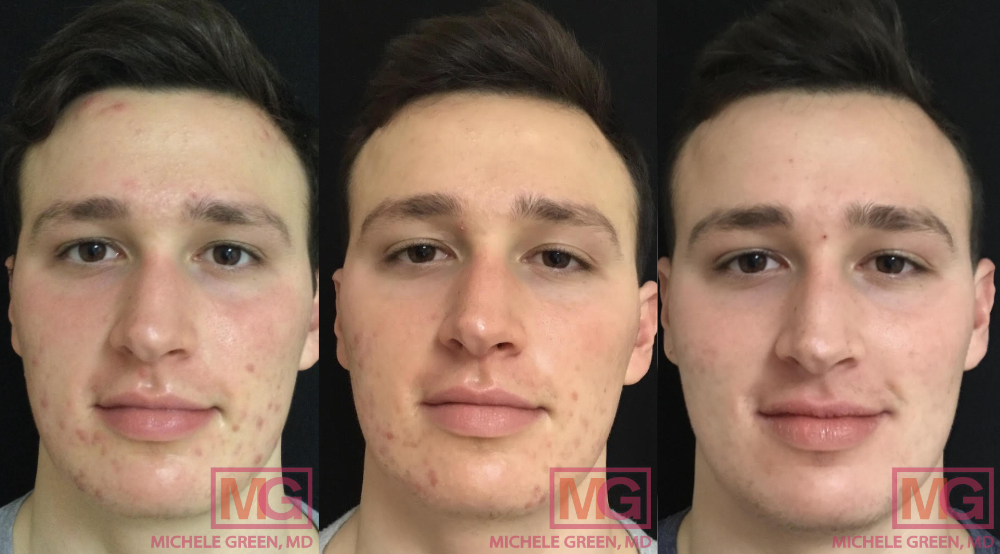
Can Accutane help with body acne?
Accutane helps treat body acne on areas like the chest and back and is often prescribed for people with deep or persistent breakouts. These areas generally have larger, more active oil glands, which makes chest and back acne more stubborn than facial acne. Accutane reduces oil production throughout the body, not just on the face, helping to clear pores and reduce inflammation for body acne. Many patients notice significant improvements in their body acne as the treatment progresses, leading to healthier, clearer skin. If someone continues to develop breakouts on their chest or back despite using topical products or oral medications, Accutane can be an effective option when overseen by a board-certified dermatologist, like Dr. Green, who can tailor the treatment to the severity of the acne.
How can I tell if my acne is hormonal or caused by something else?
Hormonal acne usually follows a recognizable pattern, which can help tell it apart from other types of breakouts. It often appears on the lower face, such as the jawline, chin, and lower cheeks, and the pimples may feel deeper or more tender than typical whiteheads or blackheads. Some people also experience hormonal acne flare-ups when starting or switching birth control pills, because these changes can affect how active the oil glands are. Many notice that flare-ups happen at predictable times, especially around their menstrual cycle or during stressful periods. Hormonal acne also tends to return in the same areas and may not respond well to over-the-counter products that usually help with clogged pores. Acne caused by other factors can look different and may be linked to heavy skincare products, sweating, certain medications, or irritation from clothing or makeup. During a consultation with Dr. Green, blood work may be done to determine whether the acne is hormone-related, allowing for a treatment plan that best targets your breakout.
Side effects of Accutane
Accutane can cause a variety of side effects that vary from person to person, most of which are temporary and manageable with proper guidance from a dermatologist.
Some common side effects include:
- Dry skin due to medication, reducing oil production
- Dry lips, mouth, and eyes
- Nasal dryness that can sometimes lead to mild nosebleeds
- Dry or thinning hair
- Muscle or joint aches
- Mild headaches
- Fatigue
- Mood changes
- Changes in liver and cholesterol levels
Accutane is a medication that decreases oil production, so the most common side effect is dryness. While starting Accutane treatment might seem intimidating, regular blood tests are a normal part of the process to monitor enzymes and hormonal changes. If you experience any side effects, you should discuss them immediately with your dermatologist. Most side effects tend to lessen as your skin and body adjust and generally improve after completing the treatment. When you seek treatment with Dr. Green, she will give you specific advice to keep your skin hydrated and healthy. Accutane remains a trusted and well-studied option for severe or persistent acne, and close medical supervision helps ensure patients stay safe while gaining the full benefits of treatment.
What should I do if I experience side effects during Accutane?
If you experience side effects during Accutane, the best first step is to notify your dermatologist so the treatment plan can be adjusted to keep you comfortable and safe. Many side effects are expected, such as dry lips or dry skin, and these can often be managed with simple changes, such as using richer moisturizers, applying lip balm frequently, or switching to a gentler cleanser. If you notice more serious changes, such as persistent headaches, vision changes, unusual mood shifts, or reactions that feel abnormal, it is important to report them immediately rather than waiting for your next appointment. Your dermatologist may lower the dose, adjust your skincare routine, or recommend specific products that soothe irritation and help keep your skin balanced. In some cases, a short break from the medication might be advised to allow the skin and body to recover. Maintaining close communication with your dermatologist ensures that any concerns are addressed promptly and that you can continue treatment in a way that keeps your skin healthy and your overall well-being protected.
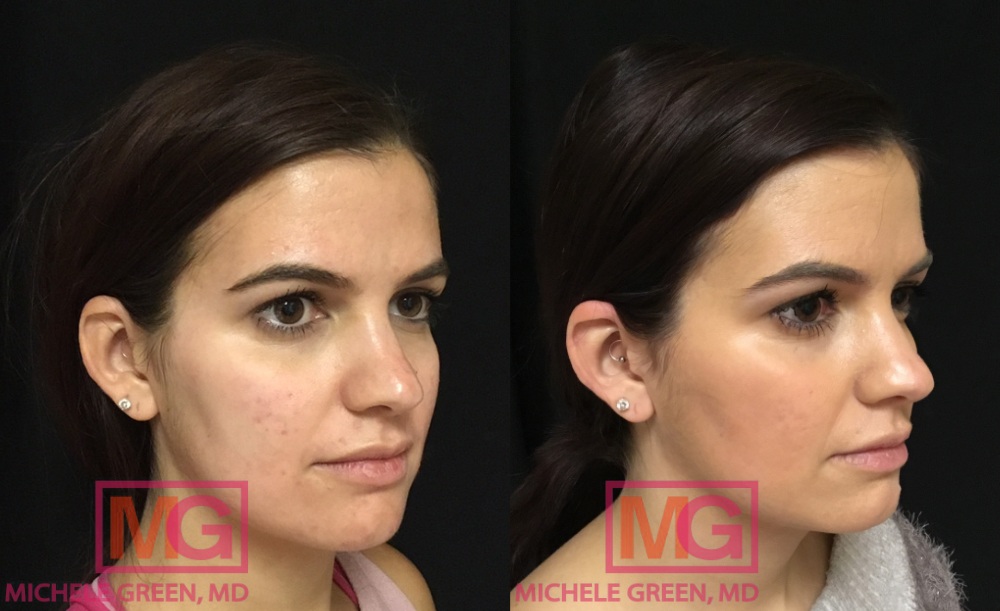
How long to take Accutane for hormonal acne?
Accutane is usually taken for 4 to 6 months to treat hormonal acne, though the exact duration varies depending on how the skin responds over time. Dermatologists customize the treatment plan by finding the dose that works best for each person, making adjustments as needed during the course to keep the medication both effective and tolerable. Many patients start with a low dose to ease into treatment, and as the oil glands become less active, breakouts gradually decrease. As the skin continues to calm and heal, the overall condition becomes clearer and more manageable, with the full treatment length determined by how completely the acne has cleared.
What kind of acne does Accutane not work on?
Accutane is most effective for inflammatory acne, such as painful cysts and nodules, because it targets the oil glands responsible for this type of breakout. It may be less effective for acne mainly consisting of blackheads and whiteheads, since these form closer to the skin’s surface and are caused by dead skin buildup rather than overactive oil glands. Another situation where Accutane might not deliver the expected results is when the dose is too low or the treatment is stopped early. Additionally, some cases involve breakouts influenced by factors that Accutane doesn’t directly address, like irritation from skincare or makeup, or hormonal shifts that cause acne without a significant increase in oil production. When these factors are the main cause of your acne, your skin might not fully respond to Accutane alone, and a dermatologist could recommend additional treatments to target the remaining causes.
What skincare routine should I follow while taking Accutane?
A simple and gentle skincare routine is best while taking Accutane, since the medication can make the skin more reactive to products it would normally tolerate. A mild, fragrance-free cleanser, used once or twice a day, is usually enough to keep the skin clean without causing redness or tightness. Moisturizer becomes an important step because Accutane often causes new areas of dryness, so applying a hydrating cream regularly helps keep the skin comfortable. Sunscreen should be used every morning, as Accutane makes the skin more sensitive to sunlight, and even brief periods outdoors can lead to irritation. Tretinoin and other strong acne treatments should be discontinued during Accutane use, as the combination can be too irritating for the skin. Most patients also rely on lip balm throughout the day because dry lips are extremely common during treatment. Strong exfoliants, acne spot treatments, and products that sting or tingle should be avoided, as the skin is more delicate and can be easily irritated.
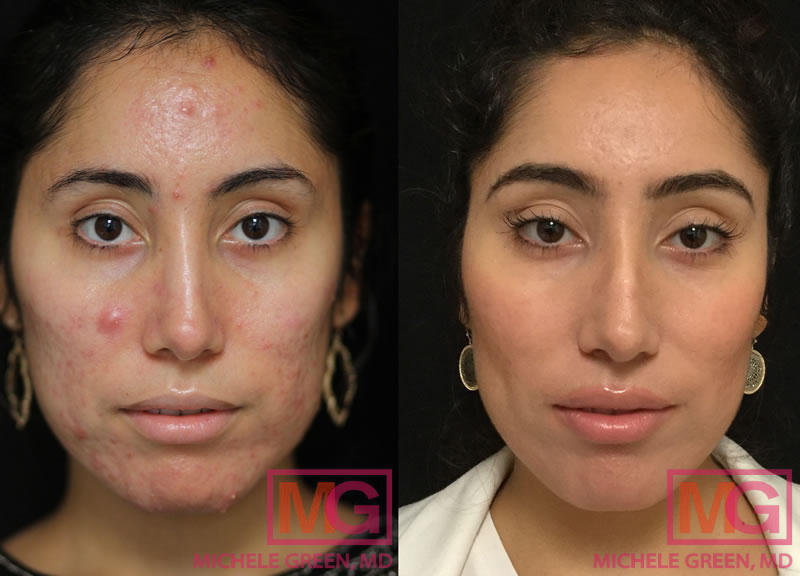
Who is a good candidate for Accutane?
A good candidate for Accutane is someone with moderate to severe acne that has not improved enough with other treatments, such as oral antibiotics, topical retinoids, or hormonal therapies. Many patients consider Accutane when other acne medications stop working, viewing it as the next reliable step rather than a last resort. It is especially helpful for people who develop deep, painful cysts or nodules that can lead to scarring or dark marks. Accutane might also be recommended for individuals whose acne affects their confidence and daily life. Someone in good overall health who can attend regular check-ups and is not pregnant or planning a pregnancy can usually consider this treatment. Accutane cannot be taken during pregnancy because it can cause birth defects. Patients who can become pregnant are carefully informed about the risk of congenital disabilities and must complete the required iPLEDGE steps to confirm they understand the safety guidelines before starting treatment. Dr. Green will review medical history, skin type, and previous treatment results to ensure Accutane is the right and safest choice for each patient and to develop a plan that achieves effective results.
What is the best cure for hormonal acne?
There is no single cure that works for everyone with hormonal acne, so the most effective approach is a personalized plan that targets the specific hormonal and skin-related causes of breakouts. Many women benefit from treatments that regulate the effects of androgens on the skin, such as certain oral contraceptives or spironolactone, which help reduce excess oil triggered by hormone fluctuations. Severe or persistent hormonal acne may require Accutane, which reduces the size and activity of oil glands to help prevent deep, painful blemishes. Topical retinoids, benzoyl peroxide, and salicylic acid are also important in managing clogged pores and inflammation, and are often combined with oral medications for more complete control of acne symptoms. Working with a board-certified dermatologist, like Dr. Green, allows patients to receive the right combination of therapies for their skin, making treatment more effective and easier to maintain.
What is the process of getting on Accutane?
A course of Accutane begins with a thorough visit, so Dr. Green can understand your acne history, how your skin behaves, and what treatments you have already tried. She also orders routine blood tests to check liver function, cholesterol, triglycerides, and more, which help her determine the safest and most effective starting dose. Once treatment begins, follow-up visits are scheduled monthly and are required for all Accutane patients. These visits allow Dr. Green to observe how your skin is changing, make small adjustments to your plan as needed, and guide you through each step so you feel comfortable and confident throughout your acne treatment.
After completing the initial tests and receiving normal blood test results, the next step is to enroll in iPLEDGE. This program is mandatory for anyone taking Accutane in the United States, ensuring the medication is used safely and properly. Patients capable of becoming pregnant must also take a pregnancy test before starting and once a month during treatment. Once the questionnaire is completed and your blood work results are received, a 30-day prescription will be sent to your pharmacy for pickup. Each month, you’ll return for a follow-up, have blood work done, and renew your iPLEDGE requirements to ensure your treatment progresses smoothly. Dr. Green has treated numerous acne patients with Accutane and has the experience to ensure your treatment is both safe and effective.
How to keep hormonal acne away after Accutane?
Maintaining clear skin free of hormonal acne after finishing Accutane requires consistent skincare. A gentle routine is crucial because the skin may stay more sensitive after treatment. Using a non-comedogenic cleanser twice daily helps prevent clogged pores without drying out the skin. A lightweight moisturizer supports the skin barrier, helping reduce irritation and redness that can lead to breakouts. Applying sunscreen every morning protects the skin from sun damage, which can cause inflammation and uneven texture. Some patients find that a topical retinoid prescribed by a dermatologist helps maintain what was achieved with Accutane, though it should be introduced gradually to avoid sensitivity. Healthy daily habits, such as getting enough sleep, staying hydrated, and eating a balanced diet low in excess sugar, also play a vital role by influencing hormonal activity. These strategies together help keep pores clear and skin calmer, especially for those prone to hormonal breakouts.
Long-term prevention also requires paying attention to hormonal triggers and addressing them early when they appear. Breakouts that follow a predictable pattern, such as worsening around the menstrual cycle, show that hormones still affect the skin. A dermatologist may recommend treatments that regulate these hormonal effects, including lifestyle changes or medications like spironolactone or oral contraceptives for suitable women. Managing stress is another key factor because high stress hormones can increase oil production and lead to more severe breakouts. If signs of returning acne show, it is best to schedule a follow-up with a dermatologist. By sticking to a consistent skincare routine and treating breakouts promptly, many patients can keep their skin clear and healthy long after finishing Accutane treatment.
Breakouts that follow a predictable pattern, such as worsening around the menstrual cycle, show that hormones still affect the skin. A dermatologist may recommend treatments that regulate these hormonal effects, including lifestyle changes or medications like spironolactone or oral contraceptives for suitable women.
Frequently Asked Questions (FAQs) about Accutane and Hormonal Acne
Is Accutane hormonal?
Accutane is not considered a hormonal treatment because it mainly works on improving skin function rather than changing hormone levels. This medication is a form of vitamin A that targets the sebaceous glands, gradually reducing their size and activity. This helps remove excess oil and prevent pores from becoming blocked. Lower oil production also reduces the buildup of acne-causing bacteria and calms inflammation that can lead to painful cysts and nodules. Since hormonal fluctuations can cause the oil glands to produce more sebum, leading to deeper breakouts, directly controlling these glands can greatly improve hormone-related acne. Accutane remains one of the most effective options for severe acne or cases that do not respond to oral medications, topical treatments, or hormonal therapies. Dermatologists prescribe it to treat acne by lowering oil production, preventing clogged pores, controlling bacteria, and reducing inflammation. All of these effects work together to help restore clearer, healthier skin even when hormones continue to fluctuate.
Is Accutane worth it for hormonal acne?
Accutane can be a highly effective option for hormonal acne that persists despite regular use of topical treatments or hormonal therapies. It works by shrinking and calming the oil glands, reducing sebum production, and helping keep pores clear while reducing bacteria buildup that causes acne. The medication also promotes healthier skin healing, helping reduce inflammation and lower the risk of scars from deep breakouts. People who experience recurring cysts and painful blemishes often notice clearer and smoother skin after completing treatment, significantly boosting comfort and confidence. Accutane remains a trusted choice when hormonal acne is difficult to control with other methods, and many patients value that its effects can last long after the treatment ends.
Is it normal for acne to get worse before it gets better on Accutane?
Acne often appears worse before it starts to improve on Accutane, usually within the first one or two months of treatment. When patients begin Accutane, their skin may become redder, and pimples that were developing beneath the surface may surface, making it seem like breakouts are more frequent than before. Some people experience only a mild increase in breakouts, while others may notice a more significant flare-up. Although this stage can be discouraging, it is temporary and often signals that the medication is working. As the treatment continues, new breakouts tend to decrease, inflammation subsides, and the skin gradually clears. Many patients report that once they move past the “purging” stage, they begin to see steady improvement as Accutane continues to target the overactive oil glands that cause acne.
Can you take doxycycline and Accutane at the same time?
Doxycycline and Accutane should not be used together because both medications can increase pressure inside the skull and may lead to a rare condition called pseudotumor cerebri, which can cause headaches and vision changes. Dermatologists avoid prescribing them together to lower this risk, especially since each medication alone has been linked to changes in intracranial pressure, and combining them can increase the risk of such effects. If someone has been using doxycycline to manage acne and decides to start Accutane, the dermatologist will usually suggest a break between the two so the antibiotic can clear before starting Accutane. This allows patients to transition safely while continuing to manage stubborn acne.
Does hormonal acne ever clear up?
Hormonal acne can improve, but the timing varies from person to person. Many find that their skin improves once hormone levels balance out. With the right treatment plan that manages oil, reduces inflammation, and supports healthy skin, breakouts often become less frequent and easier to manage. Good daily habits and a consistent skincare routine can also make a noticeable difference. Some may still experience occasional flare-ups when hormones shift again or stress increases, so ongoing care may be necessary to keep the skin looking its best.
Will Accutane get rid of PCOS acne?
Polycystic Ovary Syndrome (PCOS) is a condition where the ovaries produce higher-than-normal levels of androgen hormones. This hormonal imbalance often causes symptoms like irregular menstrual cycles, excess hair growth, oily skin, and acne. Acne linked to PCOS usually appears on the face, chest, back, or jawline because these areas of skin tend to react strongly to excess hormones.
Accutane (isotretinoin) can help clear acne caused by PCOS because it reduces oil production and eases inflammation, two key factors that androgen-driven acne depends on. By slowing the oil glands and reducing sebum production, Accutane makes it harder for pores to clog and for acne lesions to form. Therefore, it is a strong option for people with PCOS who have persistent or cystic acne that hasn’t responded to lighter treatments. However, Accutane does not fix the hormonal imbalance caused by PCOS. It treats the skin symptoms rather than the underlying endocrine issue. If androgen levels remain high or other triggers, such as hormone fluctuations or stress, continue, acne can return after treatment. For that reason, many dermatologists often recommend combining treatment with other lifestyle changes when managing PCOS-related acne.
What are the first signs of hormonal acne?
Hormonal acne usually begins with breakouts on the lower face, such as the jawline, chin, and lower cheeks, rather than on the forehead or nose. These pimples often feel deeper and more tender than regular surface blemishes, and can form lumps under the skin rather than small blackheads or whiteheads. An early sign is that breakouts may occur in cycles and flare up before a period or during periods of stress, when hormones change. Many people also notice increased oiliness and reduced effectiveness of over-the-counter products, leading to recurring clogged pores. It’s best to see a dermatologist to find out the cause of your acne so a personalized treatment plan can be created.
Is spironolactone or Accutane better for hormonal acne?
Spironolactone and Accutane are both effective treatments for hormonal acne, but they work in very different ways. The best option depends on the person’s skin and overall health. Spironolactone helps block the effects of androgen hormones that overstimulate oil glands, making it especially useful for breakouts around the jaw or chin and those that get worse during monthly hormone changes. It is taken long-term and is usually well-tolerated, making it a good choice for managing ongoing hormonal acne.
Accutane works by shrinking oil glands and reducing oil production, helping prevent clogged pores and deep cysts from forming. It is often recommended for severe, painful, or treatment-resistant acne. The results can be significant, especially for cystic hormonal acne that keeps recurring. Dermatologists prescribe both treatments for hormonal acne and can deliver excellent results when used properly. The best way to find out which treatment is right for you is to see a dermatologist who can evaluate your skin, identify your breakout triggers, and recommend a personalized plan.
Can Accutane cause a hormonal imbalance?
Accutane is not considered a medication that causes a lasting hormonal imbalance. Its main function is to target the skin’s sebaceous glands and decrease excess oil, making it very effective for acne with a hormonal component. Some patients might experience temporary hormone-related changes, such as irregular periods, while using the medication, but these usually resolve after treatment ends. Dermatologists carefully monitor patients during Accutane therapy with monthly check-ups and lab tests to maintain normal hormone levels. The primary goal of Accutane is to improve skin prone to acne, not to alter the body’s natural hormonal system. Any hormonal changes that occur are generally mild and not long-lasting. Many people feel reassured knowing that Accutane does not work by changing hormone levels and that dermatologists have trusted it for many years as a safe option for stubborn acne.
Does Accutane affect female hormones?
Accutane can cause temporary hormone-related changes in a small number of women, such as irregular menstrual cycles while taking the medication. Still, Accutane has not been shown to cause long-term issues with female hormones. Accutane does not target hormones to treat acne; instead, it focuses on the oil glands. Patients on Accutane have monthly check-ups to monitor side effects and allow Dr. Green to adjust the dose if necessary. Many women have successfully cleared their breakouts with Accutane, and understanding that any hormonal effects are usually minor and reversible helps patients feel confident about choosing a treatment that can significantly improve their skin.
Why am I still getting acne while on Accutane?
It is common to get breakouts while taking Accutane, especially in the first few weeks or months of treatment. The medication needs time to lower oil production and calm skin inflammation, so acne may persist as the oil glands adjust. Some people even notice an initial flare-up when starting Accutane, as clogged pores beneath the surface come to the surface and clear out. The dosage can also play a role, as many patients start on a lower dose that is gradually increased as their skin adapts. If breakouts occur later in treatment, a dermatologist might adjust the dose or extend the course to ensure the acne fully clears. Some patients also continue to break out if they’re using certain supplements that affect hormones or boost oil production, so it’s important to review this before and during treatment for the best results. Although it can be discouraging to see pimples during treatment, patience and proper monitoring usually lead to steady improvement as Accutane clears the skin.
What can someone do if their skin becomes very dry or irritated during Accutane treatment?
Dryness and irritation are normal when taking Accutane, so taking good care of your skin can make a big difference. Using a gentle cleanser twice daily helps keep the skin clean without removing moisture. Applying a rich, non-comedogenic moisturizer in the morning and at night helps protect the skin barrier and reduce flaking. Lip balm should be applied frequently, as lips tend to dry out quickly. Using sunscreen every morning is essential because the skin becomes more sensitive to sunlight while on Accutane. It also helps to avoid scrubs and products with alcohol or active ingredients, which can worsen irritation. Some people find that using a humidifier and drinking more water can help with overall dryness. If irritation continues, Dr. Green can recommend specific products or adjust your Accutane dosage.
Is Accutane safe for someone with eczema or very dry skin?
When someone with eczema or very dry skin is using Accutane, it is advised to use occlusive products that create a protective barrier to prevent moisture loss. These differ from regular lotions or creams, which tend to be lighter and absorb quickly. It is beneficial to apply thicker, occlusive products to areas that crack, peel, or become easily irritated, such as the lips, hands, and corners of the nose. Examples include fragrance-free, petrolatum-based products designed for sensitive skin. They help by locking in moisture, keeping the skin hydrated and less irritated during treatment. Using an ointment on the driest spots can make wearing Accutane more comfortable for those who already have dry skin or eczema.
Can Accutane be combined with treatments that help balance hormones?
Yes, Accutane can be combined with hormone-balancing treatments in some cases, but it depends on the individual and must be carefully monitored by a dermatologist. Some people use oral contraceptives or anti-androgen medications to control hormonal acne while using Accutane to target oil gland overactivity and stubborn pimples. It is important to consult with a board-certified dermatologist who can review your overall health, hormone levels, and acne severity before combining treatments to ensure the plan is safe and effective. If hormone therapies are already being used, Dr. Green may recommend stopping them before starting Accutane to avoid side effects or overlapping risks. A personalized plan helps ensure that every cause of acne is addressed, leading to clearer skin over time.
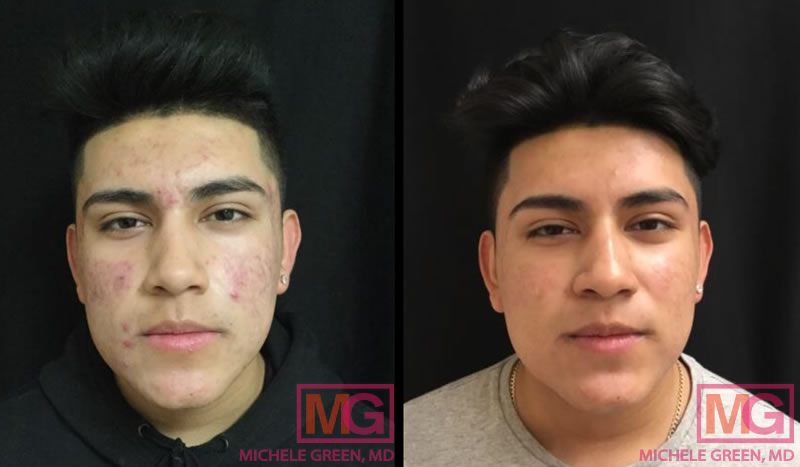
Can Accutane improve acne scars?
Accutane can help reduce the risk of new acne scars by stopping deep, inflamed breakouts that often cause them, but it does not remove scars that are already present. Many patients notice that their skin looks smoother as active acne improves because constant irritation, swelling, and redness begin to fade. Areas of discoloration from old breakouts may gradually lighten over time as the skin calms and becomes more even. For scars that remain, such as indentations or raised marks, dermatologists often recommend treatments like lasers, microneedling, or chemical peels after completing Accutane therapy. When active acne is under control, these procedures can focus solely on improving scar texture and tone, giving a clearer, more refined appearance.
How soon can I start other cosmetic treatments after Accutane?
You can usually begin cosmetic treatments after Accutane once your skin has had enough time to settle and heal, which often takes a few months. Since Accutane can make the skin more sensitive for a period, procedures involving heat, exfoliation, or resurfacing are usually delayed to prevent irritation or slower healing. Dermatologists typically wait about 6 months before performing more aggressive treatments such as lasers or deeper peels, but lighter options may be reintroduced sooner if the skin appears calm and healthy. The appropriate timing depends on how your skin responded during Accutane and the type of procedure you’re considering. A dermatologist can assess your skin and advise when it’s safe to proceed, ensuring your results are smooth and even without unnecessary irritation.
Does Accutane work differently for teenagers and adults?
Accutane works in a very similar way for both teenagers and adults, but the experience of treatment can feel different depending on age and the underlying causes of acne. Teenagers often have acne caused by puberty-related hormone changes and active oil glands, so they may respond quickly once Accutane treatment begins to reduce the buildup inside the pores. Adults can see the same level of improvement. Still, their acne is sometimes influenced by a wider range of factors, such as ongoing hormonal fluctuations, stress, skincare habits, or underlying conditions like PCOS. Some teenagers and adults also have more sensitive or drier skin before starting Accutane, which can affect how the dose is adjusted and how the skin reacts during the first few weeks. Even with these differences, Accutane remains highly effective for both age groups, and the overall goal is the same: to clear active acne, prevent new breakouts, and reduce the chance of scarring. Each plan is tailored to a person’s age, skin type, and acne severity, making each patient’s treatment different from the others’.
How to get started with Accutane today?
Accutane is an effective prescription treatment for stubborn hormonal acne that has not improved with other options. It works by reducing excess oil on the skin, which helps prevent clogged pores and deep, painful breakouts often linked to hormonal changes. This makes Accutane especially useful for acne along the jawline, chin, chest, and back, where flare-ups can be more persistent and uncomfortable. As the skin clears and inflammation decreases, many patients regain confidence in their appearance. Accutane can also be combined with supportive skincare and follow-up treatments to improve skin texture and reduce scars. A knowledgeable, board-certified dermatologist like Dr. Green will guide you through the process, closely monitor your progress, and keep your skin hydrated throughout treatment.
Dr. Michele Green is an internationally recognized, board-certified dermatologist with over 25 years of experience treating acne and helping patients achieve smooth, healthy-looking skin. She takes a personalized, thoughtful approach, considering hormone levels, lifestyle, and individual goals to determine whether Accutane is the right choice. Dr. Green has been repeatedly honored by Castle Connolly, New York Magazine, and Super Doctors for her dedication to patient care and medical excellence. When you schedule a consultation with Dr. Green at her private Upper East Side practice, she will develop a treatment plan tailored to your needs and guide you toward clearer skin that looks and feels its best. To book an appointment, please call 212-535-3088 or contact us online today.


