


Microneedling
Microneedling is a popular skin-rejuvenation treatment for individuals seeking to improve skin texture, tone, and overall quality with minimal downtime. Many people choose microneedling to address concerns such as fine lines, acne scars, enlarged pores, uneven skin tone, and early signs of aging that develop as collagen levels naturally decline. The treatment delivers gradual, natural-looking improvement by encouraging skin renewal, making it appealing to patients seeking noticeable results without surgery. Microneedling can be performed on the face and body and is suitable for a wide range of skin types and tones. Its customization and compatibility with other non-invasive skin treatments have made it a popular option at Dr. Michele Green’s private dermatology practice on Manhattan’s Upper East Side.
Microneedling creates controlled microchannels in the skin with fine needles, stimulating the body’s natural healing response. These microchannels trigger collagen and elastin production, helping strengthen the skin and improve texture, firmness, and radiance over time. The process also enhances the skin’s ability to absorb topical serums applied during treatment, allowing targeted ingredients to penetrate more effectively. Results develop gradually as new collagen forms, leading to smoother, more even-looking skin with minimal recovery time. A board-certified dermatologist like Dr. Michele Green carefully tailors microneedling treatments to each patient’s skin condition and aesthetic goals.
Dr. Michele Green, an internationally renowned board-certified dermatologist in New York City, has over two and a half decades of experience providing some of the world’s most discerning individuals with top non-invasive cosmetic treatments, including traditional methods as well as platelet-rich plasma and radiofrequency microneedling. In the realm of skin rejuvenation, Dr. Green adopts a holistic, less-is-more philosophy, customizing each patient‘s treatment plan to meet their individual needs. She is consistently recognized by New York Magazine, Super Doctors, and Castle Connolly as one of New York City’s top dermatologists for her dedication to her patients and expertise. During your consultation with Dr. Green, she will work with you to create a skin rejuvenation treatment plan that leaves you looking and feeling your absolute best.
What Does Microneedling Do?
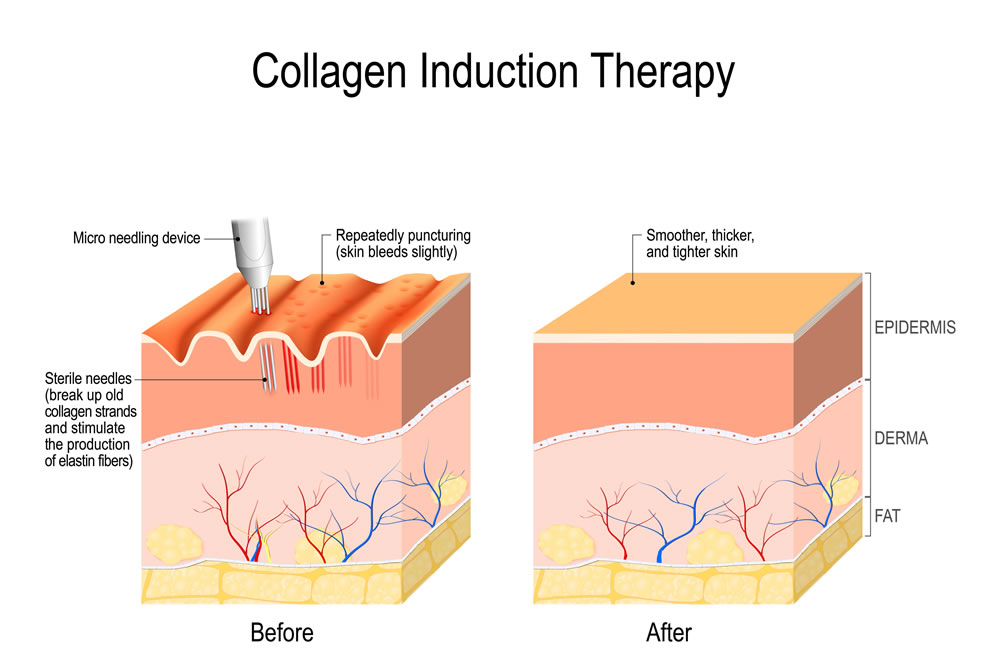
Microneedling, also known as collagen induction therapy, is a minimally invasive treatment in which a healthcare provider uses a microneedling device with tiny, sterile needles to create micro-punctures in the skin’s surface. These microchannels improve the absorption of serums, thereby enhancing the microneedling procedure’s results. The procedure stimulates the body’s natural wound-healing process, resulting in the production of new collagen. Collagen is a vital protein in the skin that helps maintain firmness, smoothness, and youthfulness. As we age, collagen levels naturally decrease, leading to noticeable signs of aging skin. Conditions such as acne scars, surgical scars, stretch marks, sun damage, and other signs of aging arise from collagen depletion or destruction and can be addressed through microneedling. By boosting collagen levels, microneedling can improve a wide range of skin concerns. Microneedling offers numerous benefits for skin rejuvenation, including:
- Improve skin texture and diminish the appearance of fine lines and wrinkles.
- Reduce unwanted pigmentation, hyperpigmentation, melasma, dark spots, and sun damage to correct an uneven skin tone.
- It provides an overall brightening effect and boosts skin radiance.
- Reduce the appearance of acne scars and post-inflammatory hyperpigmentation.
- Tighten skin and improve its elasticity to achieve a more youthful overall appearance.
- Improve the appearance of stretch marks on the body.
- Reduce the size and appearance of large pores.
When you consult with Dr. Green at her private dermatology office in New York City, you will discuss your skin concerns and aesthetic goals. She will assess your skin condition and determine how microneedling can benefit you.
How does microneedling work?
Microneedling, also known as collagen induction therapy, is a minimally invasive cosmetic treatment that improves skin texture, tone, and radiance. During a microneedling procedure, the healthcare provider glides a microneedling device across the skin’s surface in the treatment area. The device features tiny needles that create thousands of micro-punctures in the skin. The needles can be adjusted to different depths, allowing greater precision and control when treating various areas of the face and body. The procedure stimulates the skin’s natural healing process, promoting the production of new elastin and collagen. Collagen and elastin are proteins that contribute to a firm, smooth skin texture and a youthful appearance. Over time, the body depletes collagen and elastin faster than it can replenish them. Microneedling yields smoother, firmer skin, an even skin tone, and increased radiance. During the treatment, specialized serums may be applied to the skin for more targeted results. Most patients require several microneedling sessions, with each treatment spaced approximately four weeks apart, to achieve optimal results.
What is PRP microneedling?
PRP stands for platelet-rich plasma, a serum rich in epidermal growth factors that enhances the skin-rejuvenation results of microneedling. PRP is derived from a sample of the patient’s blood, which is centrifuged in a specialized machine to separate the plasma from the red blood cells. Once the PRP is extracted, it is applied topically during microneedling. Dr. Green glides the microneedling device across the skin’s surface to create micro-punctures, then applies the PRP to the treatment area. PRP further promotes cellular regeneration, rejuvenating your skin. After the microneedling procedure, you will be advised not to cleanse the treated skin for 24 hours to maximize the effects of the PRP and allow full absorption. Because PRP is derived from the patient’s blood, it is completely safe for all skin types and tones, and PRP microneedling generally involves no downtime. Dr. Green has also found PRP injections to be highly effective in treating female- and male-patterned hair loss, as well as various types of alopecia.
What is RF microneedling?
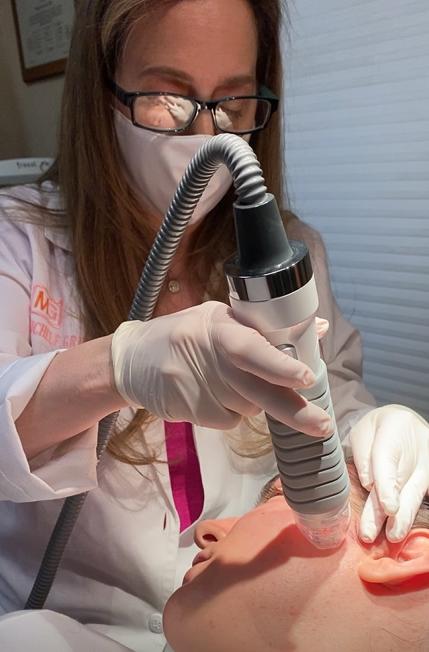
Radiofrequency (RF) microneedling is a minimally invasive treatment that combines microneedling with radiofrequency energy to stimulate optimal collagen production. The microneedling component promotes the formation of new collagen in the epidermis. At the same time, the radiofrequency energy delivers heat to the dermis, encouraging deeper collagen production and further smoothing and tightening the skin. Similar to traditional microneedling, radiofrequency microneedling is a safe and effective skin rejuvenation option suitable for all skin types and tones, with minimal downtime and few potential side effects.
Dr. Green offers the Vivace radiofrequency microneedling treatment at her boutique dermatology office in NYC. Vivace features a robotic motor that delivers precise, controlled pulses, along with gold-tipped, insulated microneedles. These features make the radiofrequency microneedling procedure painless for patients while maximizing collagen induction therapy. Vivace is an excellent treatment option for fine lines, large pores, hyperpigmentation, acne scars, stretch marks, uneven skin tone, and enhancing skin elasticity. Most patients require several Vivace RF microneedling sessions, spaced 4-6 weeks apart, to achieve optimal results. Radiofrequency microneedling treatments like Vivace aim to reverse sun damage and other signs of aging, providing a more youthful complexion by stimulating collagen production across the various layers of the skin.
Microneedling with depigmentation serum
The micro-punctures created in the skin during microneedling enhance the absorption of specialized topical serums and skincare products. Patients seeking to treat unwanted pigmentation and correct an uneven skin tone can benefit from pairing microneedling with a topical depigmenting serum. Whether addressing melasma, sun damage, post-inflammatory hyperpigmentation, or another form of pigmentation, microneedling with a depigmenting serum offers a safe and effective way to achieve a more even-toned complexion. The depigmenting serum used in Dr. Michele Green’s private dermatology office features a unique blend of powerful yet gentle skin-brightening agents that target melanocyte activity. The result is visible lightning of hyperpigmentation, leading to a more uniform complexion. After their microneedling treatment with depigmenting serum, patients notice that their skin tone is more even, their face appears more radiant, and they enjoy a lasting healthy glow. Most patients require 3-6 microneedling sessions with depigmentation serum to achieve their ideal results. Limiting sun exposure and using adequate sun protection, including daily sunscreen, is particularly important in preventing the recurrence of hyperpigmentation. When you undergo microneedling treatment with Dr. Green, you will receive all the necessary aftercare information to maintain optimal cosmetic results and a long-lasting, even skin tone.
What are the benefits of microneedling?
Microneedling offers a wide range of benefits by enhancing the skin’s natural ability to repair and strengthen itself over time. One of the main benefits is the stimulation of collagen and elastin, which helps improve the skin’s structure and resilience. As new collagen develops, the skin often becomes smoother and firmer, with visible improvements in texture and overall appearance. Microneedling can also help improve uneven tone and texture by supporting healthier, more consistent cell renewal. Another benefit is that the treatment increases the skin’s permeability, allowing topical serums applied during the procedure to be absorbed more effectively and deliver more noticeable results. Many patients appreciate that improvements develop gradually, which helps results look natural. With minimal downtime and flexibility for use across different areas of the face and body, microneedling is valued as a treatment that enhances skin quality while fitting easily into a long-term skin care routine.
How effective is microneedling?
Microneedling is highly effective for improving skin texture, tone, and overall skin quality when performed as a series of treatments. Its effectiveness stems from stimulating the body’s natural wound-healing response, which increases collagen and elastin production over time. Many patients notice gradual improvements in fine lines, acne scars, enlarged pores, uneven skin tone, and mild skin laxity as collagen rebuilds. Results vary based on factors such as the condition being treated, the depth of treatment, and whether enhancements like platelet-rich plasma or radiofrequency energy are used. When treatments are properly spaced and completed as recommended, microneedling can deliver noticeable and long-lasting improvements in skin appearance.
Is Microneedling Safe?
When you receive microneedling from an experienced board-certified dermatologist, such as Dr. Green in New York City, the procedure is both safe and effective for skin rejuvenation. The microneedling devices used by Dr. Green at her private boutique dermatology office are FDA-cleared, and she has over 25 years of experience providing innovative non-invasive cosmetic treatments. Serious side effects can occur when microneedling is performed by an unqualified provider or with an at-home microneedling device, including bruising, skin infection, skin damage, and scarring. To ensure safety, efficacy, and optimal results while minimizing unwanted side effects, it is always recommended to seek microneedling treatment from a board-certified dermatologist, such as Dr. Green.
Are microneedling results permanent?
Microneedling results are not permanent but can be long-lasting when treatments are performed as recommended and supported by proper skincare. After completing a full series of microneedling sessions, many patients experience sustained improvements in skin texture, tone, and firmness as newly stimulated collagen continues to strengthen the skin. Over time, however, the natural aging process, sun exposure, and environmental stressors gradually reduce collagen levels again, which can cause treated concerns to reappear slowly. The longevity of microneedling results varies based on individual factors, such as age, skin condition, lifestyle habits, and adherence to sun protection and skincare. For this reason, many patients choose periodic maintenance treatments to help preserve their results and continue supporting collagen production. When microneedling is used as part of an ongoing skincare routine, it can help maintain visible improvements as the skin continues to change over time.
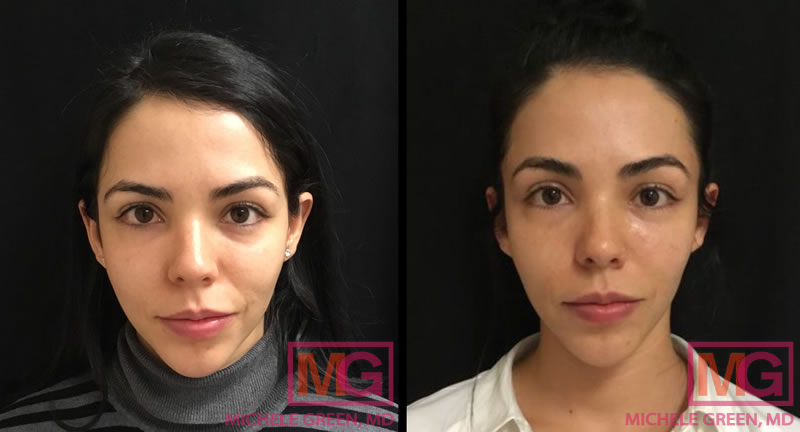
24 year old treated with PRP Microneedling (6 months before and after)
Who is a good candidate for Microneedling?
Microneedling is safe for all skin types and tones, including darker skin tones and skin of color, making it a suitable option for almost anyone interested in skin rejuvenation. A suitable candidate is an individual over 21, in overall good health, who wants to boost collagen and address specific skin concerns. This minimally invasive cosmetic treatment can target sun damage, hyperpigmentation, stretch marks, acne scars, large pores, fine lines, and uneven skin tone. Individuals with skin conditions such as eczema and psoriasis, active acne, open lesions, or herpes infections should not undergo microneedling during an active flare. Patients with a history of keloid scarring may not qualify. Consulting a board-certified dermatologist, such as Dr. Michele Green in New York City, is the best way to determine whether you are a suitable candidate for microneedling. Dr. Green has over 2.5 decades of experience in cosmetic dermatology and will work closely with you to develop a personalized treatment plan tailored to your skin rejuvenation needs.
Is microneedling painful?
Microneedling is generally not painful, but patients may experience mild discomfort depending on skin sensitivity and the treatment area. The sensation during microneedling is often described as light pressure or a scratching feeling as the device moves across the skin. Areas with thinner skin or more nerve endings, such as the forehead or the area around the mouth, may feel more sensitive than the cheeks. Discomfort levels can also vary with treatment depth and whether advanced techniques, such as radiofrequency microneedling, are used. Most patients find the sensation manageable and brief, with any discomfort resolving quickly once the treatment is complete. Following the procedure, the skin may feel warm, tight, or slightly tender for a short period as healing begins. This is considered a normal response.
How many microneedling sessions do I need?
Most patients need a short series of 3-6 microneedling sessions to achieve optimal results. Each session should be spaced about four weeks apart. Results from the initial series usually last six months, prompting many patients to undergo regular maintenance treatments every quarter to maintain the skin rejuvenation benefits of microneedling. When you consult with board-certified dermatologist Dr. Green at her private office in NYC, she will collaborate with you to create a customized treatment plan and timeline for your microneedling sessions that will yield the best results.
What is the Microneedling treatment process like?
The first step is to consult with Dr. Green at her private dermatology office on Manhattan’s Upper East Side. During your consultation, Dr. Green will take a thorough medical history, perform a physical assessment of your skin condition, and review any previous cosmetic treatments. Based on her evaluation and your specific skin concerns and aesthetic goals, she will determine which treatment options you’re a good candidate for. Microneedling can be performed on the same day or scheduled for a future appointment.
On the day of your microneedling treatment, apply a topical anesthetic to the entire treatment area one hour before your appointment. When you arrive at Dr. Green’s, the numbing cream will be removed, and the skin will be sterilized. During the microneedling procedure, Dr. Green will move the handheld, FDA-approved microneedling device across the skin’s surface. The device contains tiny needles that create micro-punctures in the skin, triggering the natural wound-healing process and stimulating collagen production. If specialized topical serums, such as a depigmentation serum or platelet-rich plasma, are used during your microneedling treatment, they will be applied to the skin after the micropunctures are made with the microneedling device. These micro-punctures enhance the absorption of the serums, maximizing their effects.
After your microneedling treatment, Dr. Green will instruct you to avoid cleansing your skin for 24 hours to allow the topicals used during the procedure to be fully absorbed, thereby enhancing healing and skin rejuvenation results. It is normal to feel that your skin is dry or tight following a microneedling treatment. To alleviate dryness, Dr. Green recommends using ultra-nourishing skincare products from MGSKINLABs, Inc., such as Hydra Repair. This specially formulated serum contains a high concentration of hyaluronic acid, providing essential moisturization throughout the recovery process. Dr. Green will also recommend specific moisturizers and topical serums to use during healing, including a gentle cleanser and a broad-spectrum sunscreen with an SPF of 30 or higher. Sunscreen is crucial, as microneedling increases the skin’s sensitivity to sunlight. When you receive your microneedling treatment from Dr. Green, you will be provided with all the necessary aftercare instructions to achieve and maintain optimal results.
What are the side effects of microneedling?
Microneedling is a minimally invasive cosmetic treatment known for its few potential side effects and minimal downtime. Common side effects include mild facial redness, swelling, pinpoint bleeding, dryness, and flaking. These side effects typically resolve on their own within several days after the procedure. More severe side effects may occur if microneedling is performed in a non-medical setting, by an inexperienced or unqualified provider, or with an at-home microneedling device. Such side effects can include hyperpigmentation, skin discoloration, scarring, and infection. To ensure safety, efficacy, and optimal cosmetic results, it is essential to seek microneedling treatment from an experienced board-certified dermatologist, such as Dr. Michele Green in New York City. Dr. Green is an internationally renowned, board-certified dermatologist with over two and a half decades of experience providing the most discerning individuals in NYC with the finest non-invasive cosmetic treatment options, including traditional microneedling, PRP microneedling, and Radiofrequency Microneedling.
Which skincare products should I use after microneedling?
One benefit of microneedling is that it creates microchannels on the skin’s surface, enhancing the absorption of topical skincare products. Based on your consultation, Dr. Green may suggest enhancing your microneedling treatment with topical serums such as PRP or depigmentation serum. After your microneedling procedure, one of the best skincare products to use is hyaluronic acid. Hyaluronic acid is a powerful humectant that attracts moisture to the skin, providing essential hydration. It also helps plump the skin and temporarily smooth fine lines and wrinkles. Sunscreen is another essential product, especially after a microneedling procedure, as the skin in the treatment area will be more sensitive to sun exposure. Sun exposure after microneedling can lead to hyperpigmentation and prolonged healing. For optimal protection, a broad-spectrum sunscreen with an SPF of 50 or higher is recommended. Skincare products containing active exfoliating ingredients, such as retinol and alpha hydroxy acids, should not be used for at least 3-5 days after microneedling. When you have microneedling treatment with Dr. Green, she will provide you with all the aftercare you need to achieve and maintain ideal results, including the topical skincare products you should use.
Can I use retinol after microneedling?
Retinol is not recommended immediately after microneedling because the skin is more sensitive during healing. Microneedling creates controlled microchannels in the skin, temporarily increasing absorption and allowing retinol to penetrate more deeply than usual. Using retinol too soon may cause irritation, prolonged redness, excessive dryness, or disruption of the skin barrier. There is also an increased risk of inflammation when retinol is applied before the skin has fully recovered. Most board-certified dermatologists recommend waiting at least five to seven days after microneedling before resuming retinol use. Dr. Green typically advises patients to resume retinol use only after visible redness, peeling, and sensitivity have completely resolved to support proper healing and optimal results.
Can I use niacinamide after microneedling?
Niacinamide is often considered a gentle, supportive ingredient, but timing its use after microneedling is important. Immediately after treatment, the skin is more reactive, and even gentle ingredients may sting or irritate if applied too soon. Niacinamide helps calm the skin and support the skin barrier, which can be beneficial during recovery once the initial healing phase has passed. Many patients can reintroduce niacinamide into their skincare routine within 24 to 48 hours after microneedling, depending on individual sensitivity. If the skin still feels raw, inflamed, or uncomfortable, it is best to wait longer before use.
How much does Microneedling cost?
The total cost of microneedling treatment varies based on several factors. Your geographic location and your healthcare provider’s experience level significantly influence the total cost. Although it is generally cheaper to receive microneedling from an aesthetician at a medical spa, they may lack the necessary qualifications to perform the procedure safely and legally. In New York, only a licensed acupuncturist, a board-certified dermatologist, or a plastic surgeon may perform microneedling. Seeking microneedling treatment from an experienced, board-certified dermatologist, such as Dr. Green, ensures safety, effectiveness, and optimal results.
Does microneedling work for hair loss?
Microneedling may help address certain types of hair loss by stimulating dormant hair follicles and encouraging new growth in thinning areas. Hair loss often involves reduced follicle activity and diminished blood supply to the scalp, both of which microneedling can influence. By triggering a controlled healing response, microneedling can promote the release of growth factors that support follicle function and prolong the active growth phase of the hair cycle. This process may help slow further thinning while increasing regrowth in targeted areas. Results vary depending on the cause and severity of hair loss, as well as the individual’s response to treatment. When performed regularly and combined with other hair restoration approaches, microneedling can contribute to visible improvements in hair fullness over time.
Is Microneedling worth it?
Yes! Microneedling is a versatile treatment that targets a range of skin concerns with minimal downtime. Safe and effective for all skin types and tones, microneedling can be customized and enhanced in several ways. It can be combined with depigmentation serum, platelet-rich plasma, and radiofrequency energy for optimal results. Whether you’re frustrated with acne scars, stretch marks, large pores, fine lines, hyperpigmentation, loss of elasticity, or an uneven skin tone, microneedling can help. Also known as collagen induction therapy, microneedling is an innovative and effective method for enhancing elastin and collagen production in the skin, thereby revitalizing it. While many at-home microneedling devices are available over the counter, they are not FDA-approved. They can pose significant risks of severe side effects or poor cosmetic results. Instead of risking skin damage and scarring or wasting money on ineffective at-home microneedling devices, consider investing in your skin’s health and appearance by scheduling a consultation with a board-certified cosmetic dermatologist like Dr. Green. Consulting with Dr. Green is the best way to create a customized skin rejuvenation treatment plan tailored to your specific concerns and aesthetic goals.
Can you do microneedling at home?
While it is possible to purchase devices marketed for at-home microneedling, performing true microneedling at home is not comparable to an in-office medical treatment. Professional microneedling involves precise needle depths, controlled technique, and sterile conditions that cannot be replicated outside a clinical setting. At-home devices are designed for very superficial use and are not intended to reach the deeper layers of the skin where collagen stimulation occurs. There is also no way for an individual to properly assess skin conditions, adjust needle depth, or determine whether the skin is appropriate for treatment. As a result, at-home microneedling does not provide the same level of customization, control, or predictability as treatment performed by a qualified medical provider, which can limit both safety and results.
Is microneedling at home safe?
Microneedling performed at home carries a higher risk of complications than in-office treatments, primarily due to challenges with hygiene, technique, and skin assessment. Maintaining sterile conditions outside a medical setting is difficult, increasing the risk of introducing bacteria into the skin and causing infection. Improper pressure or repeated passes over the same area can also lead to irritation, inflammation, or long-term skin damage. Individuals may unknowingly treat skin already irritated by active acne, inflammation, or underlying conditions, increasing the likelihood of adverse reactions. Without professional oversight, there is also a greater risk of hyperpigmentation or uneven healing, especially in more sensitive skin types. For these reasons, microneedling is considered safest when performed in a controlled medical setting by a trained professional rather than at home.
Who can perform microneedling?
Who is legally permitted to perform microneedling depends on state-specific medical regulations. In many states, microneedling is classified as a medical procedure because it causes controlled skin injury to stimulate collagen production. For this reason, it is often limited to licensed medical professionals, such as board-certified dermatologists, plastic surgeons, or other providers practicing under appropriate medical licensure and oversight. These regulations exist to protect patient safety, as microneedling requires sterile technique, accurate depth selection, and proper judgment to minimize complications. Licensed medical providers are also trained to recognize when microneedling may not be appropriate due to underlying skin conditions or medical history. Receiving microneedling from a qualified medical professional helps reduce the risk of infection, scarring, and unpredictable skin reactions.
Frequently Asked Questions (FAQs) about Microneedling
How much is microneedling with PRP?
The cost of microneedling with platelet-rich plasma (PRP) varies based on several factors, including the provider’s experience, geographic location, and the number of treatments recommended. PRP microneedling is typically more expensive than traditional microneedling because it involves drawing blood, processing it in a centrifuge, and applying the concentrated plasma during treatment. PRP requires specialized medical equipment and clinical expertise, which contribute to the overall cost. Pricing may also vary depending on whether PRP is applied topically or combined with injections during the session. During a consultation, Dr. Green evaluates each patient’s skin concerns and treatment goals to determine whether PRP microneedling is appropriate and the number of sessions needed. At that time, a personalized cost estimate can be provided based on the recommended treatment plan.
Is Microneedling permanent?
While the skin rejuvenation benefits of microneedling are long-lasting, they are not always permanent. Most patients enjoy the results of their microneedling treatments for up to six months, depending on the amount of new collagen produced and the initial severity of their skin concerns. Microneedling can often permanently improve skin conditions such as acne scars or stretch marks. However, the skin is living tissue that is susceptible to the natural aging process. As we age and collagen continues to break down, skin concerns previously treated with microneedling may become more noticeable again. Most patients who use traditional PRP or radiofrequency microneedling establish a regular maintenance schedule to achieve the best results. One benefit of microneedling is that it can be adjusted over time to meet evolving needs. Dr. Green may recommend that patients with severe acne scars or facial wrinkles consider skin resurfacing laser treatments or dermal filler injections as an alternative to or in combination with microneedling therapy. No matter your skin concern, Dr. Green in NYC offers a non-invasive cosmetic solution that provides stunning, natural-looking, and long-lasting results.
What is microneedling facial?
A microneedling facial is a professional skin-rejuvenation treatment that uses fine needles to create controlled microchannels in the skin’s surface, stimulating collagen production. Unlike a traditional facial that focuses primarily on cleansing and hydration, a microneedling facial is designed to improve skin texture, tone, and overall quality from within. The treatment encourages the skin’s natural repair process, helping soften fine lines, reduce the appearance of acne scars, minimize enlarged pores, and improve uneven skin tone. A microneedling facial may also include the application of targeted serums during the treatment to enhance absorption and support visible results. Over time, a series of microneedling facial treatments can lead to smoother, firmer, and more radiant-looking skin with minimal downtime.
Does microneedling work?
Yes! Microneedling enhances skin tone and texture while improving overall skin radiance and health. Patients with enlarged pores, fine lines, wrinkles, acne scars, and other aesthetic concerns can achieve a more refined appearance with microneedling. To determine whether microneedling is suitable for your specific skin concerns, schedule a consultation with a board-certified dermatologist, such as Dr. Michele Green in New York, who understands the complexities of skin and can recommend the most suitable cosmetic treatments for your needs, delivering optimal cosmetic results.
Does microneedling help with wrinkles?
Microneedling is an exceptional cosmetic treatment for diminishing fine lines and wrinkles. It is a form of collagen induction therapy that promotes smoother skin texture and effectively addresses additional textural concerns, including large pores, acne scars, and stretch marks. Microneedling harnesses the body’s natural wound-healing process, stimulating collagen production and resulting in smoother, tighter skin. Most patients seeking treatment for fine lines or deeper wrinkles with traditional microneedling, PRP microneedling, or radiofrequency microneedling typically require 3-6 sessions to achieve optimal cosmetic results. Treatments should be scheduled 4-6 weeks apart. The specifics of your treatment plan may vary based on your skin condition, the particular issues you wish to address, and your aesthetic goals. When you consult Dr. Green at her private dermatology practice in NYC, she will collaborate with you to create a tailored skin rejuvenation treatment plan that best meets your needs.
Does microneedling tighten skin?
Microneedling improves the skin’s elasticity by promoting the production of new collagen and elastin, resulting in a smoother, firmer, tighter skin texture. Collagen and elastin are abundant skin proteins that contribute to firmness, smoothness, tightness, and youthfulness. By replenishing these proteins, microneedling can help tighten the skin. Radiofrequency microneedling maximizes collagen and elastin production by simultaneously targeting the epidermis and dermis.
If skin laxity is a primary concern, several non-invasive cosmetic procedures can tighten and firm the skin. Thermage is considered the gold standard for non-invasive skin tightening. It uses radiofrequency energy to deliver heat to the dermis, stimulating collagen production and encouraging existing collagen to contract, resulting in optimal skin-tightening over time. There is no downtime with Thermage, allowing patients to schedule their treatment and resume normal daily activities immediately after the procedure. The latest version of this treatment, Thermage FLX, offers quicker, more precise results. It features a larger handpiece and innovative technology for the accurate delivery of radiofrequency energy to the dermis. With cosmetic effects lasting up to two years, Thermage FLX serves as an excellent alternative to plastic surgery, which can be invasive, expensive, require significant downtime, and pose many serious side effects. Although the skin rejuvenation results from Thermage may not be as dramatic as those from plastic surgery, Thermage provides long-lasting, natural-looking improvements that enhance skin elasticity, resulting in a more youthful appearance. In addition to facial skin rejuvenation, Thermage can also improve skin elasticity on the neck, chest, décolletage, upper arms, thighs, and abdomen.
Does microneedling help with hyperpigmentation?
Microneedling can help improve hyperpigmentation by promoting more even skin renewal and encouraging healthier pigment distribution over time. Hyperpigmentation often results from uneven melanin production or deposition, influenced by inflammation, sun exposure, or prior skin injury. Microneedling stimulates the skin’s natural repair process, promoting collagen production and more consistent cell turnover. This can gradually soften the appearance of dark spots and uneven tone. The microchannels created during treatment also allow topical brightening serums to penetrate more effectively, further supporting pigment correction when the appropriate products are used. Results are gradual and depend on factors such as the depth of pigmentation, skin type, and treatment consistency. To determine whether microneedling is the most appropriate option for your specific type of hyperpigmentation, consult a board-certified dermatologist like Dr. Green, who can accurately evaluate your skin and recommend the most effective treatment approach to achieve a more even complexion.
Is microneedling safe during pregnancy?
Microneedling is generally not recommended during pregnancy, even though it is considered a safe, minimally invasive treatment for non-pregnant patients. Hormonal changes during pregnancy can make the skin more sensitive and reactive, increasing the risk of irritation, prolonged redness, or unpredictable healing after microneedling. There is also limited clinical research on the safety of microneedling in pregnant patients, so most board-certified dermatologists take a cautious approach and advise postponing cosmetic procedures until after pregnancy. In addition, microneedling is often combined with topical serums or enhancements such as platelet-rich plasma or depigmenting solutions, many of which have not been studied for use during pregnancy. For these reasons, Dr. Green typically recommends waiting until after pregnancy and breastfeeding to undergo microneedling and instead focuses on pregnancy-safe skincare options to support skin health during this time.
Does microneedling hurt?
Microneedling is not painful. To enhance patient comfort, Dr. Green has all her patients apply a topical numbing cream to the treatment area before the procedure. The numbing cream is prescribed at your pharmacy, and you should apply it one hour before the microneedling treatment. Apply the topical anesthetic in a thick layer over the entire treatment area. When you arrive at Dr. Green’s dermatology office on the Upper East Side of Manhattan, the numbing cream will be removed, and the skin will be sterilized for the microneedling procedure. With the numbing cream, most patients report minimal discomfort, if any. The topical numbing cream should be used for all radiofrequency, Platelet-Rich Plasma, depigmentation, and traditional microneedling treatments.
Can estheticians do microneedling?
In many locations, estheticians are not legally permitted to perform treatments that penetrate beyond the skin’s superficial layers, including microneedling. While some estheticians may offer services marketed as microneedling, these treatments are often limited to very shallow techniques that do not reach the depth needed for collagen stimulation. Estheticians are not trained to diagnose medical skin conditions or manage complications, which can increase the risk of adverse outcomes when deeper needle depth is used. Regulations governing the esthetic scope of practice vary by state, so patients need to verify both provider credentials and local laws. For medical-grade microneedling with consistent and safe results, treatment is best performed in a healthcare setting by a licensed medical professional.
Does at-home microneedling work?
Although many at-home microneedling devices are available over the counter, it is not advisable to perform microneedling at home. These devices are not FDA-approved and carry a higher risk of unwanted side effects or unsatisfactory cosmetic results. Microneedling should be performed under sterile conditions to ensure satisfactory outcomes and prevent side effects, such as skin infections, which are difficult to avoid outside a healthcare setting. For instance, the derma-roller, one of the most popular at-home microneedling devices, is difficult to clean and can harbor bacteria. Furthermore, the micro-needles on these devices usually do not penetrate the skin to the depth needed to stimulate new collagen production or enhance the skin’s health and appearance. Consult a board-certified dermatologist instead of struggling through an at-home microneedling treatment and risking unwanted side effects for minimal or no results. When you work with Dr. Green, she will use her expert knowledge of cosmetic dermatology, over 25 years of experience, and her skilled microneedling technique to ensure a safe and highly satisfactory experience.
Microneedling vs. Microdermabrasion
Microneedling and microdermabrasion are cosmetic procedures that enhance skin texture and tone with minimal downtime. Microdermabrasion is an exfoliation treatment in which a healthcare provider uses a specialized handpiece to remove the top layers of the skin gently. This process eliminates impurities and dead skin cells, paving the way for healthy new skin cells. The treatment also enhances the absorption of subsequent skincare products, allowing them to penetrate more deeply into the skin and deliver maximum benefits. Two popular types of microdermabrasion are crystal and diamond microdermabrasion. Crystal microdermabrasion uses a handpiece that emits tiny crystals, typically aluminum oxide or sodium bicarbonate, to gently sand away the outer layer of the skin.
Diamond microdermabrasion uses a diamond-tipped handpiece applied directly to the skin to exfoliate the superficial layers. Like microneedling, microdermabrasion is safe and effective for all skin types and tones. Typically, patients require multiple sessions of either procedure to achieve optimal results. Both microneedling and microdermabrasion can address large pores, fine lines, and uneven skin tone. However, microdermabrasion is a superficial skin rejuvenation treatment that cannot effectively address concerns such as stretch marks or acne scars. When you consult with Dr. Green at her dermatology office in NYC, she will work with you to develop a treatment plan tailored to your unique concerns.
Does RF microneedling work?
Radiofrequency microneedling is an effective treatment for improving skin firmness, texture, and overall skin quality by combining two proven technologies into a single procedure. The microneedling component creates controlled microchannels in the skin, while radiofrequency energy delivers heat to deeper layers of the dermis, enhancing collagen and elastin production more extensively than microneedling alone. This combined approach addresses concerns such as skin laxity, fine lines, acne scarring, and uneven texture, with noticeable improvement over time. Results develop gradually as new collagen forms, and the skin becomes stronger and healthier in the weeks following treatment. The effectiveness of RF microneedling depends on factors such as treatment depth, skin condition, and completion of a recommended treatment series. Consulting a board-certified dermatologist like Dr. Green ensures that RF microneedling is used appropriately and tailored to the skin’s needs to achieve safe, long-lasting results.
Morpheus8 vs Vivace RF microneedling
Morpheus8 is a radiofrequency microneedling device that combines two treatment modalities to maximize collagen production. At her private dermatology office in Manhattan’s Upper East Side, Dr. Green offers the Vivace radiofrequency microneedling treatment. Vivace and Morpheus8 are both fractionated radiofrequency microneedling treatments that target fine lines, large pores, stretch marks, hyperpigmentation, and acne scars, and improve skin elasticity. While they both utilize radiofrequency technology, there are slight differences between the two treatments. The main differences between Vivace and Morpheus8 are the pulse duration and the depth settings’ customizability. Vivace has a more controlled pulse duration, whereas Morpheus8 allows for provider discretion, which may lead to errors and an increased risk of pain, burning, or scarring. Additionally, Vivace offers an excellent range of depth settings, enabling more precise adjustments when treating various skin types and concerns, compared with the three depth settings available with Morpheus8.
Is microneedling good for your skin?
Yes! Microneedling is a popular skin rejuvenation treatment because it addresses a range of skin concerns, delivers consistently impressive results, requires minimal downtime, and is straightforward. The best way to learn more about the benefits of microneedling and determine whether you are a suitable candidate is to consult an experienced, board-certified dermatologist, such as Dr. Green in New York City. Dr. Green is a globally recognized leader in cosmetic dermatology, with over 25 years of experience providing top non-invasive treatment options to some of the most discerning individuals worldwide. These options include traditional microneedling, PRP microneedling, radiofrequency microneedling, laser treatments, chemical peels, dermal fillers, Botox, and more. When you meet with Dr. Green at her private dermatology office on Manhattan’s Upper East Side, you’ll have the chance to discuss your specific concerns and aesthetic goals. Dr. Green will evaluate your skin condition to determine the most suitable treatment options for you and create a personalized skin rejuvenation treatment plan.
Do dermatologists do microneedling?
Yes, dermatologists commonly perform microneedling as part of medical-grade skin rejuvenation treatments. Microneedling is widely offered in dermatology practices as a non-invasive option to improve skin quality and support collagen production. Dermatologists are trained to evaluate skin conditions, select appropriate needle depths, and tailor treatment settings based on skin type, medical history, and specific concerns. This expertise enables microneedling to be used safely and effectively for concerns such as acne scars, hyperpigmentation, fine lines, enlarged pores, and irregular skin texture. Dermatologists can also determine when microneedling should be combined with other treatments or postponed due to underlying skin conditions, helping ensure predictable and medically appropriate outcomes.
When can I exfoliate after microneedling?
Exfoliating the skin should be avoided for a period after microneedling to allow proper healing. Microneedling creates controlled microchannels that temporarily make the skin more sensitive as it begins its natural repair process. Exfoliating too soon can interfere with recovery and place unnecessary stress on newly treated skin, leading to increased irritation and prolonged visible redness during the healing phase. In some cases, premature exfoliation may also increase the risk of uneven skin tone during recovery. Most dermatologists recommend waiting at least 7 days after microneedling before resuming any exfoliation, including physical scrubs or exfoliating acids. Exfoliation should be reintroduced only once the skin is calm, with no lingering tenderness or sensitivity.
Do you peel after microneedling?
Peeling can occur after microneedling, but not everyone experiences it, and when it does, it is usually mild. Microneedling stimulates the skin’s natural renewal process, which can cause light flaking as older skin cells shed and new skin cells form beneath them. This peeling is typically subtle and may appear a few days after treatment. The extent of peeling depends on factors such as skin sensitivity, treatment depth, and whether additional enhancements were used during the session. Mild peeling is a normal part of healing and usually resolves on its own within several days. Keeping the skin well hydrated and avoiding exfoliating products during recovery supports healing and prevents excessive dryness or irritation.
When can I work out after microneedling?
Because microneedling is a minimally invasive, in-office cosmetic treatment with minimal downtime, it’s acceptable to resume most normal daily activities after the procedure. However, it’s advisable to avoid strenuous exercise for at least 24 hours afterward. Exercise increases blood flow, which can worsen side effects such as swelling and skin sensitivity after microneedling. When you work with Dr. Green for microneedling treatments, you will receive comprehensive pre- and post-procedure instructions to ensure optimal skin rejuvenation.
When can I shower after microneedling?
Most dermatologists recommend waiting at least 24 hours before showering to avoid exposing freshly treated skin to heat, steam, and water pressure, which can worsen irritation. Hot showers, in particular, can worsen redness and sensitivity during the early recovery phase because heat increases blood flow to the skin. After the first 24 hours, patients may shower with lukewarm water, taking care to avoid direct water pressure on the treated area. The skin should be gently cleansed without scrubbing, rubbing, or using exfoliating tools. This initial recovery window supports proper healing and reduces the risk of prolonged irritation or delayed results after microneedling.
Can microneedling cause scars?
Microneedling does not typically cause scarring when performed correctly by a qualified medical provider, and it is often used to improve the appearance of existing scars. Scarring is more likely when microneedling is performed improperly, such as with excessive pressure, inappropriate needle depth, or failure to follow sterile technique. Treating skin that is already irritated, inflamed, or experiencing an active condition can also increase the risk of adverse outcomes. When performed in a medical setting with proper technique and aftercare, microneedling is considered a safe and effective procedure with a very low risk of scarring. Allowing the skin adequate time to heal and following post-treatment instructions closely further helps protect the skin and support optimal results.
Can I wear makeup after microneedling?
Makeup should not be worn for 24 to 48 hours after microneedling. Additionally, patients should avoid their usual skincare products for three days unless advised otherwise by Dr. Green. A microneedling procedure triggers the skin’s natural healing process by delivering controlled injury to the treatment area. During healing, the skin is sensitive, so it is best to let it breathe rather than apply occlusive makeup or skincare products. When you undergo microneedling with Dr. Green, she will review an appropriate post-treatment skincare regimen with you. Typically, patients are recommended to use a potent hyaluronic acid serum, a gentle cleanser, and a non-comedogenic moisturizer after microneedling to keep the skin hydrated, healthy, and protected during healing.
Is microneedling covered by insurance?
Microneedling is usually not covered by insurance because it is considered a cosmetic procedure. Although safe and effective, it is still classified as cosmetic. As such, medical insurance companies will not cover the cost of the procedure.
Do you tip for microneedling?
Tipping is not expected for microneedling performed in a medical setting. Microneedling is considered a medical or cosmetic procedure rather than a spa service, and medical professionals do not customarily accept tips. While some medical spas may prompt tipping for facial or spa treatments, microneedling performed by a licensed medical provider does not fall into that category. Patients should feel comfortable knowing that payment for the procedure covers the treatment and the provider’s expertise, without the expectation of gratuity.
Does microneedling work for hair?
Microneedling can improve overall scalp health, which is important for supporting healthy hair growth. The treatment creates controlled microchannels in the scalp that stimulate circulation and activate the body’s natural repair response. Increased blood flow to the scalp delivers oxygen and nutrients to hair follicles, creating an environment that supports the growth of stronger, healthier hair strands. Microneedling may also enhance the scalp’s ability to absorb topical hair growth products, allowing them to penetrate more effectively. Over time, this can improve overall scalp quality and promote thicker-looking hair. For individuals experiencing thinning hair or reduced hair quality, microneedling can improve scalp condition and hair density when used as part of a consistent treatment plan.
Can I do microneedling after Botox?
Microneedling can be performed after Botox, but timing is important to ensure proper healing and optimal results. Botox works by relaxing targeted muscles beneath the skin, and performing microneedling immediately afterward may affect how the product settles in the treated areas. It is recommended that patients wait at least 2 weeks after Botox before undergoing microneedling to allow the Botox to settle fully. This waiting period helps reduce the risk of unwanted migration. When used correctly, microneedling and Botox can complement each other by addressing different aspects of facial rejuvenation: Botox softens dynamic wrinkles, while microneedling improves skin texture and quality. Consulting a board-certified dermatologist like Dr. Green ensures that treatment timing is carefully planned and tailored to your individual skin goals.
What is microneedling with exosomes?
Microneedling with exosomes is an advanced skin rejuvenation treatment that combines traditional microneedling with exosome-based topical solutions to enhance the skin’s repair process. Exosomes are microscopic particles derived from stem cells that play a role in tissue repair and skin regeneration. When applied during or immediately after microneedling, exosomes penetrate the skin more effectively through the microchannels created by microneedling. This allows them to support cellular repair and improve skin texture as the skin heals. Microneedling with exosomes is often used to address concerns such as fine lines, uneven texture, dullness, and early signs of aging by encouraging more efficient skin renewal. Results develop gradually as the skin responds to treatment, and effectiveness can vary based on skin condition and treatment consistency.
Can microneedling help with jowls?
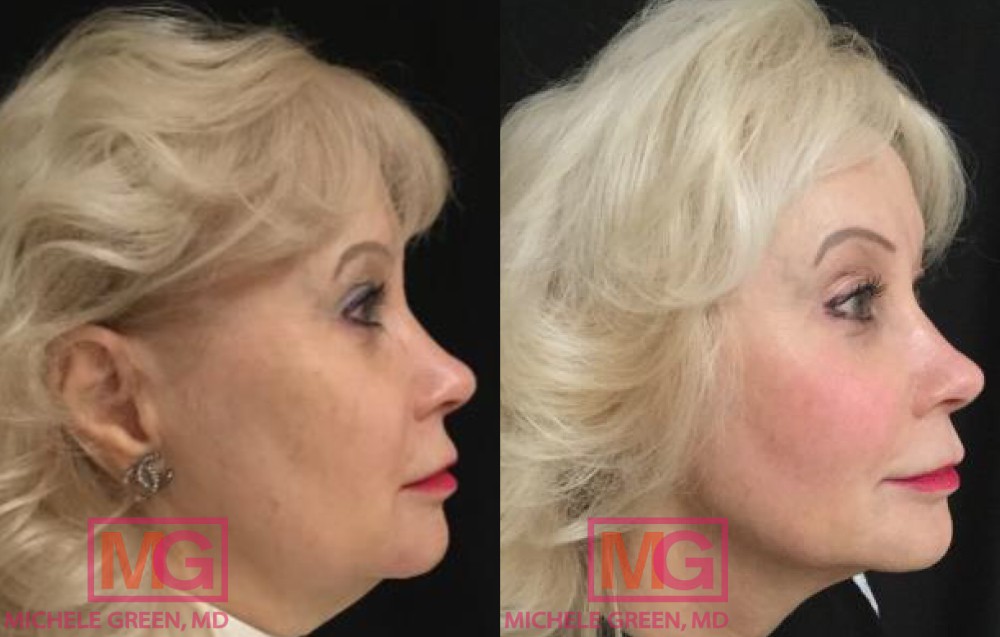
Microneedling can help improve the appearance of jowls by supporting collagen production and enhancing overall skin firmness in the lower face. Jowls often develop as collagen and elastin levels decline with age, leading to a gradual loss of skin support along the jawline. Microneedling stimulates the skin’s natural repair process, helping strengthen the skin and improve texture over time. As new collagen forms, the treated area appears firmer, softening early sagging and reducing the prominence of jowls. Results tend to be subtle and develop gradually, making microneedling most effective for mild to moderate skin laxity rather than advanced sagging.
Does microneedling really work?
According to the American Academy of Dermatology, a trusted medical authority cited on government health resources and .gov websites, microneedling is an effective medical cosmetic treatment for improving the appearance of various skin conditions, including fine lines, acne scars, and enlarged pores. One reason microneedling works well for many skin issues is that it stimulates new collagen production by triggering the skin’s natural wound-healing process. Collagen, the most abundant skin protein, contributes to a smooth, firm texture and a youthful appearance. By replenishing collagen levels, microneedling addresses a wide range of concerns. Depending on a patient’s needs and goals, multiple microneedling sessions may be necessary to achieve the desired results. It is safe for patients of all skin types and tones and is not associated with the unwanted side effects seen with other cosmetic procedures that rely on light energy or heat, such as skin discoloration. Before undergoing microneedling, Dr. Green will gather a thorough medical and family history, assess your skin condition, and review any previous cosmetic treatments you may have had to ensure the procedure aligns with your goals.
How to get started with Microneedling treatment today
Microneedling is a versatile, minimally invasive skin rejuvenation treatment that supports collagen production and improves overall skin quality over time. By creating controlled microchannels in the skin, microneedling stimulates natural repair processes that refine texture, improve tone, and enhance radiance. It is commonly used to address concerns such as fine lines, acne scars, enlarged pores, uneven skin tone, and early skin laxity, with results that develop gradually and look natural. With minimal downtime and a high level of customization, microneedling can be performed on the face and body and may be enhanced with options such as platelet-rich plasma, radiofrequency energy, or specialized serums to meet individual skin needs. An expert in cosmetic dermatology, such as Dr. Green in NYC, will evaluate your skin and develop a personalized treatment plan to support long-term skin health and visible improvement.
Dr. Michele Green is an internationally renowned, board-certified dermatologist with over two and a half decades of experience providing some of the world’s most discerning individuals with the best non-invasive cosmetic procedures, including microneedling treatments. For skin rejuvenation, Dr. Green employs a holistic approach, customizing each patient’s treatment plan to address their specific skin concerns and achieve optimal results. She is consistently recognized by New York Magazine, Super Doctors, and Castle Connolly as one of NYC’s best dermatologists for her dedication to her patients and expertise. To schedule a consultation with Dr. Green at her private dermatology office in Manhattan’s Upper East Side and learn more about microneedling and other non-invasive skin rejuvenation treatments, call 212-535-3088 or contact us online today.
Related Topics
Summarize This Content: AI


