


Acne Treatment for Teenagers
Teenagers go through a whirlwind of changes as they navigate puberty, making it a uniquely transformative period in their lives. One of the most common challenges during this time is acne in teens. This condition can be frustrating and often appears during key moments. During puberty, hormonal fluctuations—especially increases in testosterone and progesterone—raise oil production, leading to oily skin. This extra oil can clog pores and cause those typical breakouts. While genetics definitely influence our skin’s behavior, diet, stress, skincare routines, and environmental factors also contribute. When dealing with teenage acne, it’s best to consult a board-certified dermatologist, like Dr. Michele Green, to discover the most effective treatment options.
Treating teenage acne requires a comprehensive approach. As teenagers start making choices that affect their diet, exercise, stress levels, and workload, it’s important to understand how these decisions impact their hygiene and overall health. Sticking to a proper skincare routine can greatly boost self-esteem and confidence during these key years. With many products on the market and countless online trends, it can be tough to know what’s best for our skin. If you’re dealing with persistent acne that’s hard to manage, it is best to see a board-certified dermatologist, like Dr. Green, who has years of experience in treating acne, to find the most effective treatment for your skin type and help avoid unwanted side effects.
Dr. Michele Green is a globally recognized, board-certified dermatologist with over 25 years of experience providing top-tier non-invasive treatments, including acne care for all skin types. She takes a holistic approach to treating various types of acne, customizing each patient’s treatment plan to fit their lifestyle and aesthetic goals. Frequently ranked by Castle Connolly, New York Magazine, The New York Times, and Super Doctors as one of NYC’s leading dermatologists, she offers personalized care. When you visit her private dermatology office in NYC, Dr. Green will assess your skin and acne to develop a personalized treatment plan to help you achieve a clear, smooth, and radiant complexion, along with a tailored skincare routine.
How does a dermatologist treat teen acne?
Acne is not a one-size-fits-all condition; different factors such as skin type, hormonal influences, and family history can greatly affect treatment success. During your initial visit with an experienced, board-certified dermatologist like Dr. Michele Green, you can expect a thorough examination of your skin, along with a discussion of your acne history and lifestyle factors that might influence your condition, including diet, stress levels, and skincare routines. Additionally, Dr. Green might recommend blood tests to check for hormonal imbalances, which are important for creating a personalized treatment plan. After a complete evaluation, Dr. Green will help you identify the best treatment options for your specific skin type.
Topical Treatments
You might be prescribed a topical retinoid, such as adapalene (Differin) or tretinoin (Retin-A). These medications are derivatives of vitamin A that block inflammatory pathways, increase skin cell turnover, and help clear pores, ultimately reducing breakouts. Benzoyl peroxide is often included in treatment plans because it reduces inflammation and kills acne-causing bacteria, making it an important part of acne management. Additionally, exfoliating agents such as salicylic acid, glycolic acid, and azelaic acid are ingredients in topical products that help open clogged pores and reduce skin inflammation.
Oral Treatments
Dr. Green might also prescribe oral antibiotics such as doxycycline, which directly target and reduce bacterial overgrowth on the skin, providing additional support for healing. More severe cases may require oral treatments such as hormonal therapies like birth control or spironolactone, which help regulate hormonal fluctuations that can cause acne. Other oral options, like isotretinoin or Accutane, are available for treating more severe acne but require careful monitoring by a knowledgeable doctor.
Why Do You Get Acne as a Teenager?
Acne occurs when sebum, an oily substance, is overproduced, which can clog pores and trigger inflammation. The skin naturally produces sebum to help protect and moisturize it, but when there is too much sebum, it can lead to clogged pores and increased inflammation. During puberty, hormonal fluctuations can cause the sebaceous glands, located beneath the skin near hair follicles, to become overactive, leading to excess sebum production. This excess oil creates an environment where acne-causing bacteria, such as Propionibacterium acnes (P. acnes), can thrive. Acne can vary in severity and is typically classified into different types: pustules, papules, blackheads, and whiteheads. More severe acne can present as nodules and cysts, which are often inflamed and painful to the touch. Although teenage acne is extremely common, it is best to consult a board-certified dermatologist as soon as possible to avoid the risks of scarring, which is often more difficult to treat.
Are my pimples hormonal?
Hormonal changes, especially the increases in testosterone and progesterone during puberty, can significantly affect oil production in the skin. This increased oil results in sebum, a natural oil that can mix with dead skin cells. When too much sebum is produced, it can clog pores, creating an environment where dirt and acne-causing bacteria thrive. This often leads to increased inflammation and worsening acne. While acne during adolescence is commonly linked to these hormonal changes, it’s important to understand that not all acne is solely hormonal. Some people may experience acne due to other factors such as stress, diet, genetics, or underlying hormonal imbalances. To determine the exact cause of your acne, further testing may be needed. If you’re dealing with persistent acne, it’s important to see a board-certified dermatologist, who can perform tests to evaluate hormonal levels and other potential causes. Based on the results, Dr. Green can develop a personalized treatment plan that targets your specific needs, helping you achieve clearer, healthier skin and reducing the risk of scars, which are usually more difficult to treat.
When should you consult a dermatologist to treat teen acne?
It is highly recommended to see a board-certified dermatologist at the first sign of acne breakouts. Early treatment is essential because untreated acne can lead to scarring and other skin problems that may be more difficult to treat than the initial lesions. When you visit a board-certified dermatologist, such as Dr. Green, your acne will be carefully evaluated to assess its severity and underlying causes. Dr. Green will consider various factors, including the type of acne—whether it’s inflammatory (such as cystic acne) or non-inflammatory (like blackheads)—along with your symptoms and detailed medical history. Based on this assessment, she will develop a personalized treatment plan that might include topical medications, oral prescriptions, lifestyle changes, and skincare routines suited to your skin type.
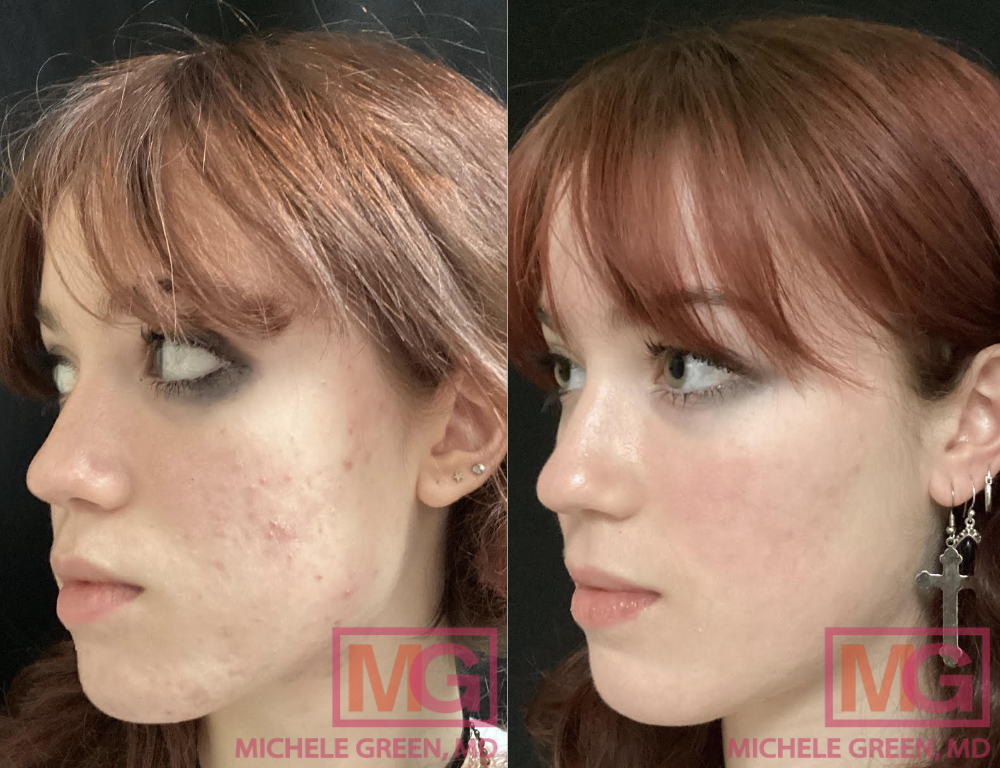
The Best Skincare Routine for Teenage Acne-Prone Skin
For individuals with acne-prone skin, establishing a consistent skincare routine is crucial. Cleansing the skin twice daily with a gentle cleanser helps remove excess oil and impurities without stripping away natural moisture. After cleansing, it is important to apply a lightweight, non-comedogenic moisturizer to prevent dry skin. Avoid oily products and harsh scrubs, as these can worsen irritation and inflammation. Instead, opt for products formulated specifically for sensitive or acne-prone skin to help reduce flare-ups. Including a broad-spectrum sunscreen, such as Dr. Greens Hydrating SPF 50, in your daily routine is also essential, as it protects the skin from UV damage that can intensify the appearance of acne scars and slow healing. Dr. Michele Green’s skincare line, MGSKINLABS, offers a comprehensive Acne Kit designed to treat acne-prone skin. Acne products include: a pore-minimizing wash with salicylic and glycolic acids for effective cleansing; exfoliating toner pads infused with salicylic and glycolic acids to refine pores and prepare the skin for further treatment; and an acne-fighting spot treatment with benzoyl peroxide to control oil and treat active breakouts. Together, these skincare products provide a balanced approach to achieving clearer, healthier skin.
Which moisturizer or lotion should a teen use for their acne?
When dealing with acne blemishes, choosing the right moisturizer is crucial for maintaining healthy skin. It’s best to opt for a lightweight, oil-free, and non-comedogenic moisturizer. Acne often develops due to excessive sebum production, which can clog pores and lead to breakouts. However, it’s still vital to hydrate the skin because dryness can trigger the skin to produce even more oil in an attempt to compensate. For teenagers looking for effective hydration, the Ultimately Sheer Hydrating Lotion from MGSKINLABs stands out as an ideal option. This moisturizer is specifically formulated to provide essential nourishment without adding unnecessary oil or clogging pores. Its lightweight texture allows for quick absorption, making it suitable for daily use, even for those with oily or acne-prone skin. By incorporating a moisturizer like this into your skincare routine, you can achieve a balance between hydration and oil control, promoting clearer, healthier skin.
Should teenagers use topical retinoids for their breakouts?
Teenagers often develop acne because of hormonal changes, and one effective way to treat this is with retinoids. These strong topical medications work by boosting cell turnover, helping shed dead skin cells, and preventing clogged pores, leading to clearer, healthier skin over time. However, it’s important to use retinoids under the guidance of a board-certified dermatologist, such as Dr. Green, who can provide personalized advice based on an individual’s skin type and the severity of their acne. While retinoids can be very effective, they may also cause skin irritation, especially when first starting a skincare routine. Additionally, retinoids can increase photosensitivity, making skin more vulnerable to sun damage. Because of this, teens using retinoids should apply a broad-spectrum SPF 50 sunscreen daily. Not every patient is suitable for retinoid treatment, so it’s crucial to consult a qualified dermatologist to determine whether retinoids are the right option for your teen’s specific skin condition and overall health.
What is the best acne treatment for teen breakouts?
While there is no one-size-fits-all solution for pediatric acne, one of the most potent options is Accutane (isotretinoin). This prescription medication is often considered a last resort for severe or stubborn acne that has not responded to other treatments. Accutane works by significantly reducing oil production in the skin, preventing clogged pores, and reducing inflammation. However, due to its potential side effects and the need for monitoring, it requires careful consideration and supervision by a board-certified dermatologist, such as Dr. Green. Ultimately, finding the most effective acne treatment involves a personalized plan and ongoing evaluation, as skin can be complex and responsive to various factors.
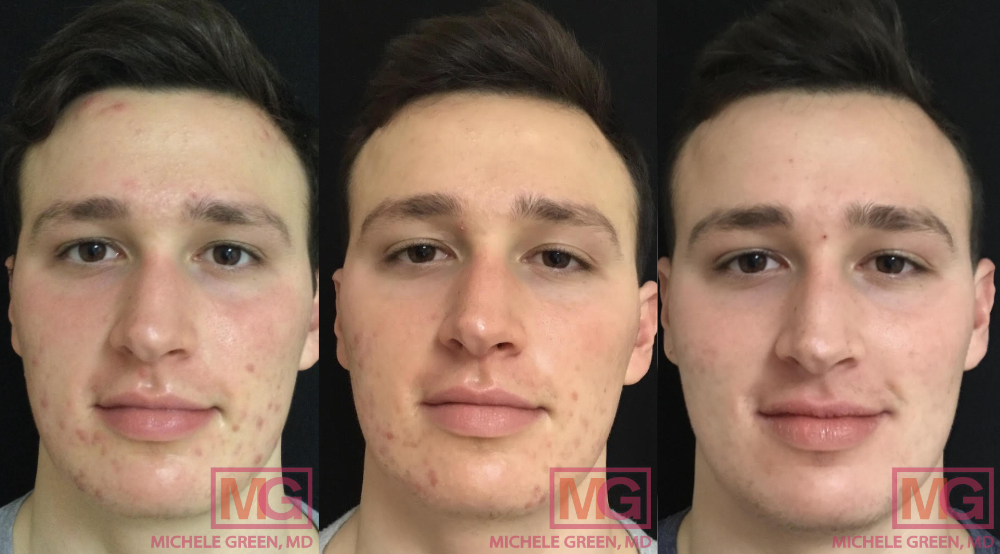
What Cleanser or Face wash should I use for Teen Acne?
When it comes to managing teen acne, choosing the right cleanser is crucial for effective skincare. The best cleansers for this purpose typically contain active ingredients such as benzoyl peroxide and salicylic acid. Benzoyl peroxide is known for its antibacterial properties, which effectively target and reduce acne-causing bacteria on the skin. This ingredient not only helps to clear up existing breakouts but also prevents new ones from forming. In addition, salicylic acid is a powerful beta-hydroxy acid that gently exfoliates the skin’s surface. It penetrates deep into the pores to dissolve oil and debris, which can lead to breakouts if left unchecked. One highly recommended product in this category is Dr. Green’s Pore-Minimizing Cleanser. This formula is specifically designed to help minimize the appearance of pores while providing a thorough cleanse. It combines the effectiveness of both benzoyl peroxide and salicylic acid, making it an excellent option for teenagers dealing with acne-prone skin. Regular use of such a cleanser can help achieve clearer skin by addressing the root causes of acne while maintaining a healthy skin barrier.
What Is the First Line Treatment for Teenage Acne?
The initial treatment for teenage acne depends on its severity and type. Usually, topical treatments are used to manage breakouts. Treatment often begins with a topical retinoid. Two common options are Differin (adapalene), which is available over the counter, and Retin-A (tretinoin), a stronger retinoid that requires a doctor’s prescription. For moderate acne, a topical antibiotic like clindamycin may be added to help eliminate acne-causing bacteria and promote healthy skin. A typical combination for moderate cases includes a topical retinoid, benzoyl peroxide, and a topical antibiotic. If acne is widespread and topical antibiotics have failed, an oral antibiotic such as doxycycline or minocycline may be prescribed. In cases where acne leads to deeper scars, a doctor may recommend Accutane, as scars can be more difficult to treat than the acne itself. The first-line treatment varies by patient, and it’s best to consult with a board-certified dermatologist sooner rather than later to address your skin concerns effectively.
Will Teen Acne Go Away on Its Own?
Hormonal changes mainly cause teenage acne during puberty. While it often clears up over time, some people may find that acne continues into adulthood. During adolescence, skin heals faster, and acne scars tend to fade more quickly. Learning good hygiene and skincare early is essential; it helps prevent scarring and encourages healthy skin regeneration. Developing a personalized skincare routine early is especially helpful for those prone to acne, as it sets the foundation for long-term skin health. Even though teenage acne is linked to hormone fluctuations, it’s best not just to wait it out. Instead, consulting a board-certified dermatologist is advisable. Dr. Green can offer personalized treatment plans that target the root causes of your acne, helping to control symptoms and minimize scarring.
When Will Teen Acne Stop?
Teen acne usually goes away when hormone levels stabilize and fluctuate less, which typically happens in the early 20s. However, it’s important to remember that women still experience hormonal changes during their menstrual cycles, pregnancy, and menopause, making adult acne more common among women. Research shows that between 40% and 54% of both men and women have some form of acne after age 25. Mild acne can remain in both genders, so everyone should follow a good skincare routine. The American Academy of Dermatology has noted that adult acne tends to lead to hyperpigmentation and scarring, requiring more aggressive treatments from the start. If the causes of acne are properly addressed during the teenage years, the likelihood of it continuing into adulthood and causing ongoing problems is reduced. Working with Dr. Green can help you identify and quickly target the root causes of your acne.
Frequently Asked Questions
Why Do I Have So Much Acne as a Teen?
Having acne-prone skin can significantly affect self-esteem, but it’s important to remember that everyone’s skin reacts differently to hormonal changes, and these reactions can vary greatly among individuals of the same age. Also, our genetic makeup significantly influences how our skin responds to changes during puberty. If one of your parents had acne during their youth, genetics probably influence your skin’s sensitivity to hormonal shifts. Genetic factors influence both skin type and oil gland sensitivity. While diet and lifestyle can influence inflammation, genetics also play a key role in regulating it. Consulting with a dermatologist, like Dr. Green, can provide helpful advice on the best skincare approach for you and can help prevent further breakouts and reduce the risk of long-term scars.
Why Does Puberty Cause Acne?
Puberty often triggers acne due to increased androgen levels and various stressors related to this life stage. These factors lead to oily skin, creating the perfect environment for clogged pores and bacterial growth. During this period, teenagers are often still learning to care for their skin and manage their stress properly. By paying close attention to their skin’s needs, they can effectively control acne during adolescence. As children enter their teenage years, their bodies change rapidly, requiring adjustments to their lifestyles. It is important for them to know which products suit their skin type and to establish a personal hygiene routine at this critical time. Consulting with a board-certified dermatologist, such as Dr. Green, can help teenagers quickly develop effective routines to keep their skin clean and reduce breakouts.
Who Does Acne Affect the Most?
According to the Centers for Disease Control and Prevention (CDC), 85% of preteens and teenagers are affected by acne, making it one of the most common skin conditions during adolescence. Acne develops when hair follicles become blocked by excess oil, dead skin cells, or bacteria, leading to different types of lesions. Genetics plays a significant role—people with a family history of acne are more likely to develop it themselves. Besides genetic factors, environmental influences such as pollution, humidity, and exposure to certain chemicals can worsen the condition. Lifestyle choices, including diet, skincare routines, and personal hygiene, also influence acne development. Early intervention is essential for effective management. Dr. Michele Green can offer a thorough evaluation of the factors contributing to your acne and create a personalized, multi-faceted treatment plan. This approach may include recommendations for topical or oral medications, lifestyle changes, and skincare routines tailored to your specific needs to reduce the impact of acne on your life.
Why Do Teen Girls Get Acne?
As girls enter puberty, one of the most significant changes they experience is the start of menstruation, which causes fluctuating hormone levels, especially androgens. These hormonal changes can affect various aspects of health, including skin condition. Many girls notice increased skin sensitivity during different phases of their menstrual cycle. For example, in the luteal phase before menstruation, rising progesterone levels and decreasing estrogen can increase sebum production, often leading to acne breakouts just before their period. Additionally, during ovulation, a peak in testosterone and other androgens may worsen acne, as the extra oil can clog pores. By understanding their hormonal cycles and choosing products wisely, young girls can take active steps to keep their skin healthy and clear.
Which Birth Control Is Best for Teen Acne
Birth control pills containing both estrogen and progesterone are widely recognized for their effectiveness in managing hormonal acne, especially when other acne treatments and topical products haven’t produced satisfactory results. Among the available options, the FDA has specifically approved several combination pills for treating hormonal acne, including Yaz, Estrostep, and Ortho Tri-Cyclen. These combination pills are important in acne treatment because they help regulate hormonal fluctuations that can trigger breakouts. In contrast, birth control pills that contain only progestin (without estrogen) can cause hormonal imbalances, potentially making hormonal acne worse instead of better. If you’re thinking about using birth control to control your acne, it’s essential to consult with a board-certified dermatologist and gynecologist. Dr. Green can guide you through the process and work with your gynecologist to determine if this approach is right for you and which birth control option would be the best fit.
Why do Teen Boys Get Acne?
During puberty, teenage boys often face challenges with acne due to a significant increase in testosterone levels, which stay high throughout adolescence. This hormone is essential in stimulating sebaceous glands, leading to more sebum production. Consequently, excess sebum can clog pores, creating an environment that promotes bacterial growth and worsens the condition in both males and females. However, boys tend to experience more severe acne than girls, mainly because their testosterone levels remain elevated for longer periods. By considering factors such as skin type, acne severity, and individual hormonal profiles, Dr. Green tailors her approach to her patients’ specific needs, promoting healthier skin and overall well-being.
Will Teenage Acne Scars Fade?
Starting acne treatment early can help prevent scarring, which is often more difficult to treat. Many acne-prone patients experience redness and post-inflammatory hyperpigmentation (PIH) after inflammation subsides. It is recommended to use azelaic acid to calm redness, along with pimple patches to protect the skin and stop more dirt and debris from reaching the inflamed area. Unfortunately, deeper scars can be permanent and may need treatments that stimulate collagen production to reduce their appearance. Dr. Michele Green’s office offers various options to diminish the visibility of permanent acne scars. These include microneedling, chemical peels, laser resurfacing, subcision, and dermal fillers. These procedures help stimulate collagen production in areas where healing growth was insufficient. As we age, our bodies naturally produce less collagen, so follow-up sessions can help maintain each patient’s goals and boost their confidence and self-esteem.
Why do I have back acne?
Acne occurs when oil builds up in the sebaceous glands, which can block hair follicles due to hormonal changes adolescents experience. While breakouts are most often seen on the face, acne can also appear in other areas with oil glands, such as the chest, shoulders, and back. Some people may find it hard to clean their backs thoroughly. Additionally, wearing tight clothing that traps sweat, along with backpacks, can encourage bacterial growth and irritate the skin, increasing the likelihood of clogged pores. Treating back acne is similar to treating facial acne. Using a combination of lifestyle changes, like wearing loose, breathable clothing and maintaining a regular hygiene routine, can help prevent back acne. Many topical medications and treatments that Dr. Green recommends for facial acne can also be applied to the back and shoulders.
Where Does Acne Usually Start?
Acne develops in the middle layer of the skin, where the sebaceous glands are located. These glands are most concentrated in areas like the face, forehead, chest, shoulders, and back. When the follicle wall bulges because these glands are close to hair follicles, it leads to the formation of pimples and comedones. Picking at inflamed pores can spread oil and bacteria, making acne worse over time. Additionally, harsh acne treatments can cause excessive dryness, which may lead to increased oil production. Since acne often starts on the face, many people find that persistent breakouts greatly affect their self-esteem and confidence. Dr. Michele Green helps people of all ages restore their confidence by offering recommendations for managing acne and preventing long-term scarring.
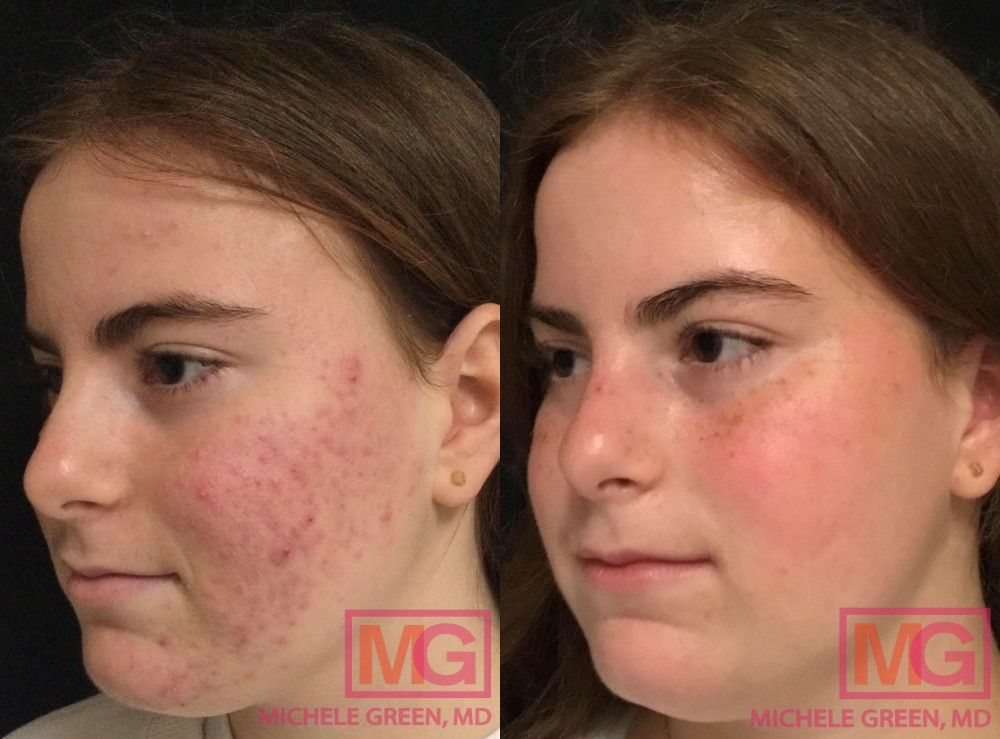
How to get started with your Acne Treatment today
Navigating the challenges of acne can be especially tough for teenagers, but there are many effective treatment options available to help manage this common skin condition. Acne treatment usually involves a personalized mix of different approaches, as each person’s response can vary greatly. With the guidance of a skilled board-certified dermatologist like Dr. Michele Green, you can create a customized skincare routine and a comprehensive treatment plan designed not only to clear your skin but also to boost your self-esteem. By addressing the root causes of acne and using proven ingredients, Dr. Green can significantly lower the risk of acne scars, helping your skin stay healthy and radiant.
Dr. Michele Green is an internationally renowned, board-certified dermatologist with over 2.5 decades of experience treating acne for some of the world’s most discerning individuals. Treating acne requires extensive knowledge and individualized care to prevent harmful side effects, especially if patients have sensitive skin. Dr. Green’s experience in the field gives her unique knowledge to make the best assessment for each of her patients. She will give you the knowledge to approach skin care confidently and keep your skin looking its best for a lifetime. Embracing a holistic approach and following a less-is-more philosophy to minimize potential adverse side effects, the practice tailors each patient’s treatment plan to address their unique skin concerns and aesthetic goals. Dr. Green is consistently recognized by Castle Connolly, New York Magazine, The New York Times, and Super Doctors as one of New York’s best dermatologists for her commitment to her patients and expertise. Contact us online today or call 212-535-3088 to schedule a consultation with Dr. Green and learn more about acne treatments for teenagers.
Related Topics
Summarize This Content: AI


