


Post Ozempic: Maintaining Weight Loss & Healthy Skin
Ozempic is a prescription medication that contains the active ingredient semaglutide. It is used to help manage type 2 diabetes by supporting insulin production and controlling blood sugar levels. Additionally, this medication can promote a feeling of satiety, which has contributed to its increasing popularity as an off-label option for rapid weight loss and as an alternative to bariatric surgery. In 2021, semaglutide and tirzepatide received FDA approval for obesity and weight management under the brand names Wegovy, Mounjaro, and Zepbound, respectively. While both Wegovy and Ozempic have been effective in helping individuals achieve significant weight loss quickly, they may also cause unwanted side effects. These include loss of facial fat, skin sagging, and reduced skin elasticity, which may indicate signs of aging on the face and body. If you are concerned about the side effects of Ozempic, such as sagging skin or the condition known as “Ozempic Face,” it is advisable to consult a board-certified dermatologist, such as Dr. Michele Green.
Individuals experiencing mild-to-moderate skin sagging after rapid weight loss may consider non-surgical body and facial contouring treatments. While cosmetic surgeries such as tummy tucks, facelifts, and thigh lifts are most effective for severe sagging, non-invasive options such as laser skin tightening, hyaluronic acid fillers, and microneedling can improve skin health and reduce laxity. Given the variety of available treatments, it’s wise to consult a qualified dermatologist, such as Dr. Michele Green, who can create a personalized treatment plan. Dr. Green can also recommend or prescribe effective skincare products, including vitamin C serums and topical retinoids, to improve skin texture at home.
Board-certified dermatologist Dr. Michele Green has been providing care to patients at her Upper East Side office in New York City for over 25 years. Dr. Green excels in creating customized treatment plans that enhance wellness and help each patient achieve their aesthetic goals. She offers an exclusive skincare line, MGSKINLABs, as well as a wide range of cosmetic and medical treatments, including dermal fillers, microneedling, laser therapies, Botox, chemical peels, and more. Dr. Green effectively addresses a range of skin issues and cosmetic concerns. Renowned for her high patient satisfaction, she has been recognized by reputable publications such as Castle Connolly, Super Doctors, and New York Magazine as one of New York City’s top dermatologists.

What is Ozempic and How does it Work?
Ozempic is a GLP-1 receptor agonist that helps the body produce insulin and manage blood sugar. It was found to support weight management, prompting further research and clinical trials. As a result, it received approval as a weight-loss treatment under the World Health Organization (WHO) guidelines. Clinical studies showed that individuals taking a daily semaglutide pill lost nearly 14% of their body weight over 64 weeks, while those given a placebo lost only 2%. The active ingredient in Ozempic, semaglutide, stimulates insulin production, making it a highly effective treatment option for individuals with type 2 diabetes. Real-world evidence (RWE) for Ozempic typically shows 4%-12% weight loss at 6–12 months. Studies have also indicated that it can reduce the risk of significant cardiovascular events, such as heart attacks, in patients using semaglutide. However, healthcare professionals, including internal medicine physicians, cardiologists, and endocrinologists, typically prescribe it only after other strategies to manage diabetes—such as a controlled diet and exercise—have been explored.
Ozempic Side Effects
One of the significant side effects of Ozempic is weight loss, which has led some patients to use it off-label as a weight-loss medication. Ozempic, approved by the FDA for weight loss in 2021, is also marketed under the brand name Wegovy as an injectable option for weight management. Wegovy works by suppressing appetite, slowing digestion, and prolonging the time food stays in the stomach. As a result, patients experience reduced hunger, leading to lower calorie intake and noticeable weight loss. However, Ozempic is associated with various potential side effects, so individuals should consult with a board-certified internal medicine physician before using this medication for type 2 diabetes or weight loss. Possible side effects include: (2023;329;(19):1627-1629. doi:10.1001/jama.2023.2438)
- Gastrointestinal trouble, such as nausea, vomiting, constipation, diarrhea, and abdominal pain.
- Hyperglycemia (low blood sugar)
- Decreased blood pressure
- Elevated heart rate
- Chronic disease (kidney failure and cardiovascular disease)
- Medullary thyroid cancer (also known as medullary thyroid carcinoma)
- Severe allergic reaction
If you experience any severe side effects, follow up with your internal medicine provider immediately.
What happens when you stop Ozempic?
The term “post-Ozempic body” refers to the physical changes that may occur after achieving the goal weight with Ozempic, a medication primarily prescribed to manage type 2 diabetes and promote weight loss. One common feature of a post-Ozempic body is skin laxity, which can affect the face, arms, abdomen, and thighs. This laxity occurs because the body sheds excess weight quickly, leading to subcutaneous fat loss that outpaces skin retraction. As a result, individuals may experience sagging or wrinkling in these areas, which can sometimes impact self-esteem and body image. Additionally, other potential effects of a post-Ozempic body may include changes in muscle tone and distribution. Rapid weight loss can lead not only to fat loss but also to a reduction in muscle mass. The extent of these transformations can vary significantly across individuals, influenced by factors such as age, genetics, and the amount of weight lost. While some individuals may choose to address skin laxity through cosmetic procedures, others may adapt to these changes by making lifestyle adjustments and incorporating fitness routines.
Why would you stop Ozempic?
One major reason for the use of GLP-1 medications, such as Ozempic, is their association with weight loss. Many individuals are turning to these medications primarily as a quick, short-term solution for weight management instead of a sustainable, long-term strategy. This approach can lead to a lack of sustained use once their immediate weight goals are met. Additionally, some patients may experience side effects ranging from mild gastrointestinal issues to more serious concerns. These side effects can impact their overall quality of life and may lead them to stop using the medication.
How to maintain Post-Ozempic weight?
After completing a treatment plan with Ozempic, it’s important to establish sustainable, healthy habits to maintain your progress. This includes incorporating regular physical activity into your daily routine, aiming for at least 150 minutes of moderate-intensity exercise per week to maintain your ideal body mass index (BMI). Activities such as walking, cycling, or swimming can be particularly beneficial. In addition, prioritize eating well-balanced meals that incorporate a variety of fruits, vegetables, whole grains, and lean proteins. Plan your meals to make nutritious choices and avoid processed foods high in sugar and unhealthy fats.
It may be beneficial to consult a healthcare professional or a registered dietitian to develop a personalized plan aligned with your health goals after the discontinuation of any GLP-1 medications. Ongoing support can help you manage your dietary needs and make the necessary lifestyle adjustments to prevent regaining any weight.
Cosmetic Treatments post-ozempic
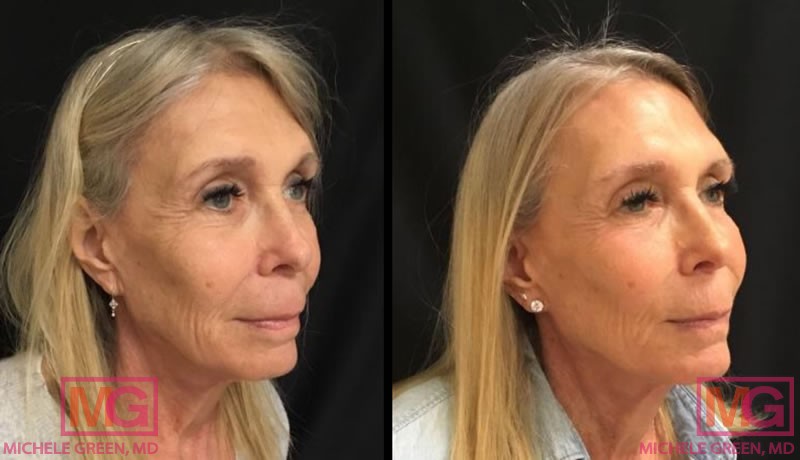
The best first step to address loose skin after using GLP-1 drugs is to consult a board-certified dermatologist, such as Dr. Michele Green. At Dr. Green’s dermatology office on the Upper East Side of New York City, a wide range of non-surgical procedures is available to reduce the appearance of mild to moderate sagging skin, eliminating the need for invasive plastic surgery. For patients with excess skin on the face and body, Dr. Green offers non-surgical body lifts using Thermage radiofrequency skin-tightening or microneedling. These treatments help tighten the skin by inducing controlled microinjuries that stimulate collagen production, resulting in smoother, firmer skin. If patients experience midface volume loss, Dr. Green may recommend dermal fillers, such as hyaluronic acid fillers (e.g., Restylane and Juvederm) or collagen-induction fillers (e.g., Sculptra). To determine which treatment options are best for you, schedule your initial consultation with Dr. Green.
Thermage for Skin Tightening
Thermage is a non-invasive, FDA-approved cosmetic treatment that utilizes advanced radiofrequency (RF) energy to tighten and rejuvenate the skin. This innovative procedure is particularly appealing for its ability to deliver noticeable skin rejuvenation results with minimal downtime, allowing individuals to return to their daily activities almost immediately. As we age, our bodies naturally produce less collagen and elastin—two essential proteins that contribute to the skin’s firmness and elasticity. This reduction can lead to the appearance of fine lines, wrinkles, and crepey skin, as well as a general loss of firmness. Thermage addresses these concerns effectively by stimulating the production of new collagen and elastin, resulting in smoother, tighter skin.
Thermage works by delivering RF energy deep into the dermis, prompting the body’s natural healing response. Patients often notice an immediate plumping effect, which continues to improve and tighten over the following months as collagen production increases. Thermage is a particularly effective solution for individuals seeking to mitigate sagging skin and other signs of aging, making it a popular choice for post-ozempic skin tightening. Overall, Thermage offers a safe, effective option for individuals seeking to rejuvenate their appearance without invasive surgery or extensive recovery.
Vivace RF Microneedling
Vivace Radiofrequency Microneedling is an advanced cosmetic procedure designed to enhance skin rejuvenation by stimulating collagen production. This innovative treatment combines the benefits of traditional microneedling with state-of-the-art radiofrequency energy, resulting in a comprehensive approach to skin revitalization. The procedure effectively tightens the skin, significantly improves skin tone and texture, and addresses various concerns, including pigmentation irregularities and sun damage. Additionally, it minimizes the appearance of acne scars, injury scars, and stretch marks, making it a versatile option for many patients. One of the standout features of Vivace RF Microneedling is its minimal recovery time. Patients can resume their daily activities immediately after treatment, providing convenience and flexibility. By promoting deeper skin rejuvenation without significant downtime, Vivace offers a compelling solution for those looking to enhance their skin’s appearance while maintaining their busy lifestyles.
Dermal Fillers
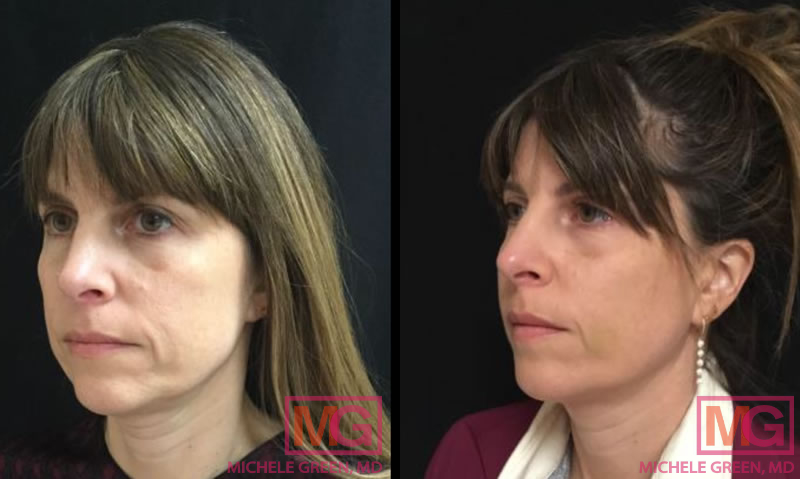
Fat loss in the face can result in a less youthful appearance, often characterized by hollow cheeks, under-eye bags, and deeper lines. Dermal fillers have become a popular solution for restoring lost midface volume. In addition to adding volume, dermal fillers can effectively smooth fine lines and wrinkles that commonly develop around the nose and mouth, such as nasolabial folds and marionette lines. They can also sculpt and contour the jawline, enhancing facial symmetry and giving the lower face a more defined, youthful look. At Dr. Green’s office, we take pride in offering a diverse selection of top-quality dermal fillers tailored to your individual needs. Our range includes popular brands such as Restylane, a hyaluronic acid filler known for delivering natural-looking volume; Juvederm, another hyaluronic acid filler offering a smooth formulation ideal for subtle enhancements; Sculptra, a unique filler made of poly-L-lactic acid that stimulates collagen production for long-lasting results; and Belotero, a hyaluronic acid filler perfect for fine lines and improving surface texture. Each of these fillers is designed to provide specific benefits, ensuring you receive the most effective treatment to meet your aesthetic goals. Whether you want to restore youthful volume or refine your facial contours, dermal fillers can help you achieve a refreshed and vibrant appearance.
Does Stopping Ozempic Cause Rebound Weight Gain?
Many individuals experience substantial weight loss during their treatment with Ozempic, but the ability to maintain that weight loss varies widely among patients. Some individuals can maintain weight loss after discontinuing the medication by adopting solid baseline habits, such as improved dietary habits and increased physical activity. Others may find it challenging to maintain their weight without ongoing support from the weight loss drug. Ultimately, the decision to continue using Ozempic should be made in consultation with a healthcare provider. They can offer personalized guidance and discuss health benefits tailored to individual needs, including weight-loss maintenance.
How to avoid regaining weight after Ozempic?
Many patients transitioning off Ozempic are concerned about potential weight regain. This anxiety often stems from the possibility of reverting to previous eating habits after discontinuing the medication, which can lead to weight rebound. Maintaining the lost weight after stopping Ozempic requires a proactive approach. Focus on a nutrient-dense diet that includes a variety of whole foods. Incorporate fruits, vegetables, lean proteins, whole grains, and healthy fats into your meals. Monitoring portion sizes and limiting the intake of high-calorie or processed foods can help sustain weight. Establish a structured eating schedule to minimize mindless snacking or emotional eating. Planning meals and snacks can help you make healthier choices and better manage your calories. Regular physical activity is also crucial for weight maintenance. Aim for at least 150 minutes of moderate aerobic exercise each week, along with strength training exercises at least twice a week. This not only helps burn calories but also supports muscle preservation, which is especially important after weight loss. Staying hydrated is vital for overall health and can help control hunger. Sometimes, people mistake thirst for hunger, leading to unnecessary snacking. Monitor your weight and adjust your diet and exercise regimen as needed. Regular weigh-ins can help you detect upward trends early, allowing for timely adjustments. Developing a consistent, enjoyable exercise routine is important, even while taking Ozempic. This can help reduce feelings of weakness during weight loss and promote overall well-being. By prioritizing a balanced diet and an active lifestyle, you can significantly improve your chances of successfully maintaining weight loss after stopping Ozempic.
When does your stomach go back to normal after Ozempic?
When discontinuing Ozempic, many individuals notice that their appetite and cravings return to normal about a week after stopping the medication. During this transition, it’s common to experience increased hunger, which may lead to more frequent snacking or larger portion sizes. To effectively manage your weight and prevent regaining it after treatment, it’s essential to adopt and maintain a balanced, healthy lifestyle. This includes eating a whole-foods diet, engaging in regular physical activity, and practicing mindful eating habits. Staying proactive about your health and wellness can help you navigate the post-Ozempic phase more successfully.
Liraglutide vs. Ozempic
Saxenda (liraglutide) and Ozempic (semaglutide) are both injectable medications that belong to the class of drugs known as glucagon-like peptide-1 (GLP-1) receptor agonists. Although they share a similar mechanism of action, their indications and formulations differ significantly. The FDA specifically approves Saxenda for weight management in adults and adolescents aged 12 and older who have a body mass index (BMI) indicating obesity. It helps regulate appetite and caloric intake, supporting weight loss when combined with a reduced-calorie diet and increased physical activity. In contrast, Ozempic is approved for the management of Type 2 diabetes in adults. It enhances glycemic control by stimulating insulin secretion in response to elevated blood glucose levels and suppressing glucagon release, thereby lowering blood glucose. While Ozempic can also promote weight loss, its primary purpose is to improve metabolic health and manage diabetes. These differences also influence insurance coverage, as many plans do not cover liraglutide, which is primarily prescribed for weight loss.
Post-Ozempic Frequently Asked Questions (FAQs)
What happens after coming off Ozempic?
After discontinuing Ozempic, many patients may notice increased loose skin following significant weight loss. This is a common concern, as rapid weight reduction can prevent the skin from adapting quickly to the new body shape. Additionally, once Ozempic is discontinued, individuals often experience a return of appetite, a significant change from the reduced hunger typically experienced while on the medication. It’s important to note that stopping Ozempic may lead to weight regain for some individuals, as the body may revert to prior eating habits and metabolic patterns. Therefore, ongoing lifestyle changes—such as maintaining a balanced diet and engaging in regular physical activity—are essential to sustain weight loss and manage cholesterol after treatment ends.
How long does it take to feel normal after Ozempic?
When you stop using Ozempic, which contains the active ingredient semaglutide, you can expect its effects on blood sugar levels and appetite regulation to fade over approximately five weeks. This timeline is influenced by the half-life of semaglutide, which is about seven days. The half-life refers to the time it takes for half of the drug to be eliminated from your body. Consequently, after discontinuing the medication, the therapeutic effects will gradually diminish. Individuals should consult their board-certified primary care physician to discuss any changes to their treatment plan or diabetes management during this period.
Does anyone maintain weight loss after discontinuing Ozempic?
Yes, many individuals can maintain their weight loss after discontinuing Ozempic, but this largely depends on their commitment to a healthy lifestyle. It’s essential to follow a balanced diet that emphasizes whole foods, practice portion control, and engage in regular physical activity to achieve a healthy weight and body mass index (BMI). Patients who have developed effective strategies for managing their eating habits and incorporating exercise into their daily routines are more likely to sustain their weight loss over the long term.
Do people gain weight after stopping Ozempic?
When patients stop taking Ozempic, they often experience weight gain. This is primarily because the medication had previously helped control appetite and hunger signals by promoting feelings of fullness. Ozempic mimics the effects of the hormone GLP-1, which reduces appetite. Once the medication is discontinued, the body may return to its pre-treatment hunger levels, leading individuals to consume more calories. This rebound effect can lead to weight gain for some patients. Therefore, it is crucial to maintain ongoing lifestyle and dietary management to stay at a healthy weight after stopping the medication.
Does Ozempic permanently change your metabolism?
Ozempic, or semaglutide, is a medication that functions as a GLP-1 (glucagon-like peptide-1) receptor agonist. Its primary role is to help regulate glucose levels, especially in individuals with type 2 diabetes. Ozempic promotes insulin release in response to elevated blood sugar while also inhibiting glucagon secretion, a hormone that raises blood sugar levels. Additionally, it slows gastric emptying and reduces appetite by modulating the brain’s hunger centers, thereby helping users manage their food intake. Many individuals experience significant weight loss while taking Ozempic, primarily due to reduced calorie intake rather than an increased metabolic rate. During weight loss, the body often temporarily slows its metabolism as it adjusts to a lower calorie intake. However, Ozempic does not cause permanent changes in metabolism. Once the medication is discontinued or weight stabilizes, metabolic rates usually return to pre-treatment levels, suggesting Ozempic’s effects are not sustained.
Can Ozempic cause long-term stomach issues?
Ozempic is a medication commonly prescribed for managing type 2 diabetes. It has been associated with various gastrointestinal side effects, one of which is the potential development of gastroparesis. Gastroparesis is a condition that causes delayed gastric emptying, leading to uncomfortable symptoms such as persistent nausea, reduced appetite, bloating, and sometimes vomiting. Research shows that while these gastrointestinal side effects can occur, they often resolve after discontinuing Ozempic or adjusting the dose. Patients need to recognize the signs of gastroparesis and discuss any prolonged or concerning symptoms with their healthcare provider. By understanding the potential for these side effects, patients can make informed decisions about their treatment options and effectively manage any discomfort that may arise during Ozempic therapy.
How long does gastroparesis last after stopping Ozempic?
The duration of gastroparesis after discontinuing Ozempic varies significantly among individuals. Most patients report that Ozempic side effects begin to lessen within about 5 weeks of stopping the medication. However, the exact timeline for recovery depends on several factors, including the patient’s overall health, the duration of Ozempic use, and individual physiological responses. Patients should consult their healthcare provider for personalized guidance and monitoring during this adjustment period.
How to get started with post-Ozempic treatment today
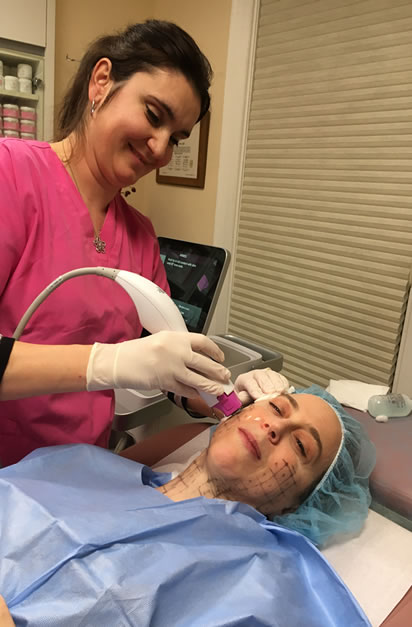
Ozempic is a medication approved by the FDA for managing diabetes, specifically to help regulate insulin release and alleviate the symptoms of type 2 diabetes. In addition to its effects on blood sugar levels, Ozempic contains the active ingredient GLP-1, which slows down gastric emptying. This action helps patients feel full for longer, ultimately reducing calorie intake. As a result, Ozempic can contribute to significant weight loss. However, this rapid weight loss may cause adverse effects, including gastrointestinal discomfort and loose skin due to the sudden reduction in fat. Sagging skin can highlight fine lines and wrinkles, create jowls, and cause hollows in the midface and under the eyes. If you are concerned about loose skin after treatment with Ozempic or Wegovy, board-certified dermatologist Dr. Michele Green is available to help.
Dr. Michele Green has been providing expert care to patients in her Upper East Side, New York City office for over 25 years. She offers a variety of treatment options to address concerns such as sagging skin, reduced skin elasticity, and wrinkles. These options include dermal fillers, PRP microneedling, and Thermage RF. Dr. Green will work with you to develop a personalized treatment plan aligned with your aesthetic goals. She has consistently been recognized by Super Doctors, Castle Connolly, and New York Magazine as one of the best healthcare providers, demonstrating her commitment to patient satisfaction. To learn more about how Dr. Green can help with sagging skin and other concerns, contact us online or call our NYC office at 212-535-3088 today.


