


Sunspots on the Hands, Chest & Shoulders
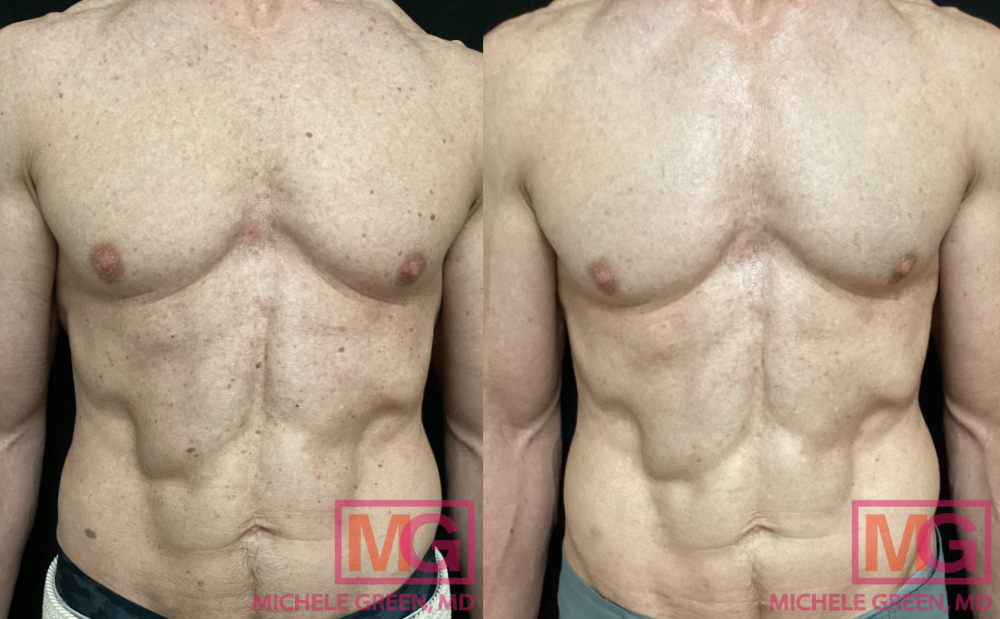
Most people think of sunspots as a facial concern, but the hands, chest, and shoulders are just as prone to developing these flat brown marks, and for many patients, they appear there even earlier than on the face. Sunspots, also known as dark spots, age spots, or solar lentigines, form when years of sun exposure trigger the skin’s melanocytes to overproduce melanin in concentrated areas. The hands, chest, and shoulders spend more cumulative time in direct sunlight than most people realize, whether from driving, walking, or simply going about daily life without sunscreen on these often-overlooked areas. Understanding why these spots develop outside the face is the first step toward treating them, and Dr. Michele Green has spent decades helping patients in New York City address hyperpigmentation wherever it appears on the body.
Because the skin on the hands, chest, and shoulders is thinner and produces less oil than facial skin, sunspots in these areas can look different from what patients are used to seeing in the mirror, often darker, more clustered, and slower to respond to over-the-counter treatments. Many patients also confuse sunspots with freckles, melasma, or even early skin cancer, making an accurate diagnosis essential before starting any treatment. Dr. Michele Green evaluates each patient’s dark spots individually to determine the safest and most effective path forward, whether that means topical treatment, laser treatments, or in-office procedures such as chemical peels or cryotherapy using liquid nitrogen.
What causes dark spots/sun spots?
Dark spots, often called sunspots or age spots, form when the skin produces too much melanin in a concentrated area, typically in response to sun exposure. Ultraviolet (UV) rays trigger melanocytes, the cells that produce melanin, to work overtime to protect the skin from further damage, and this excess pigment eventually appears as a flat, brown mark. While sun exposure is the leading cause, dark spots can also form from hormonal changes, inflammation, or genetics. Sun damage remains the most common trigger, especially on frequently exposed areas like the hands, chest, shoulders, and face.
What’s the best dermatologist treatment for sunspots on the body?
After learning what these dark spots are, the next question is, “How do you get rid of sunspots on your hands, chest, and shoulders?” The most effective approach to sunspot removal usually combines in-office procedures with a consistent at-home skincare routine. Laser treatments and chemical peels are some of the best ways to target excess melanin without damaging surrounding skin, and Dr. Michele Green tailors each treatment plan to each patient’s needs.
Fraxel
Fraxel laser is a non-ablative fractional laser that Dr. Green often refers to as a “magic eraser,” uses two wavelengths (1550nm and 1927nm) to resurface the skin — one aimed at improving overall texture and fine lines, and another that specifically targets sun damage and discoloration, making it a good fit for patients with more widespread sunspots across the hands, chest, or shoulders.
Candela Alex Trivantage laser
For patients with isolated, well-defined spots, the Candela Alex Trivantage laser is often a better option. This laser targets individual sunspots, with the melanin in each spot absorbing light energy and converting it into heat that breaks down the pigment, often clearing an isolated spot in just one or two sessions.
Intense pulsed light (IPL)
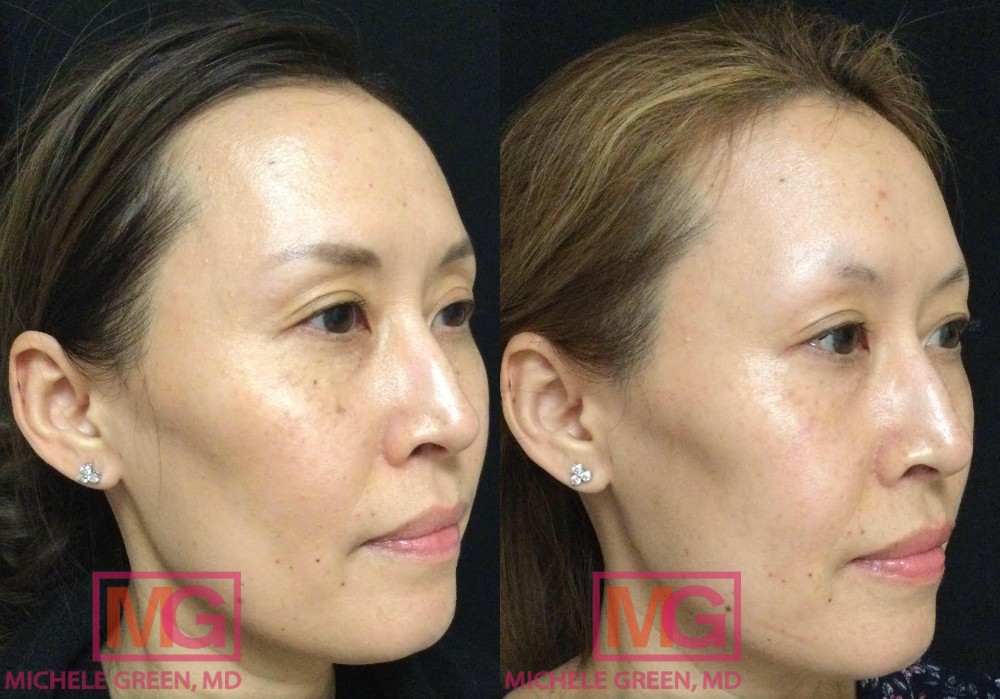
Intense pulsed light (IPL) uses broad-spectrum light to target excess pigment across larger areas of sun-exposed skin, making it a good option for patients with diffuse discoloration on the chest, shoulders, or hands rather than a handful of isolated spots. Unlike a true laser, IPL delivers multiple wavelengths of light at once, which the pigment in sunspots absorbs and breaks down over several sessions. IPL also stimulates collagen production, which can improve overall skin tone and texture while fading dark spots.
Chemical Peels
Chemical peels are another effective option, with the right peel depending on how stubborn or widespread the pigmentation is. Milder glycolic acid peels gently exfoliate the skin’s surface, encouraging smoother, more even-toned skin, and are well suited to lighter, more superficial sunspots. For more resistant or widespread hyperpigmentation, Dr. Green may instead recommend the Cosmelan peel, a professional-grade depigmentation treatment applied in-office as a mask and paired with an at-home care regimen. It works beneath the surface to reduce melanin production and help prevent pigment from resurfacing.
Sunspot treatments and vitamin C
Vitamin C is among the most effective topical ingredients for treating and preventing sunspots, thanks to its dual role as an antioxidant and a skin brightener. As an antioxidant, vitamin C helps neutralize free radicals generated by UV exposure, protecting the skin from the cellular damage that leads to new hyperpigmentation. It also directly inhibits excess melanin production, gradually fading existing dark spots. Many patients pair a vitamin C serum with a retinol or prescription-strength retinoid at night, since retinoids speed up skin cell turnover and help shed pigmented cells more quickly, revealing fresher, more even-toned skin underneath. Other brightening ingredients, such as niacinamide and kojic acid, can be layered into a routine alongside vitamin C for added benefit. However, Dr. Michele Green recommends consulting a dermatologist before combining multiple active ingredients, since over-exfoliating or over-treating the skin can sometimes cause irritation or worsen hyperpigmentation rather than improve it. For best results, pair topical serums with daily broad-spectrum sunscreen, since sun exposure will continue to counteract any progress made by brightening ingredients alone.
What are the best sunscreens to choose to prevent sunspots?
The best defense against new sunspots is a broad-spectrum sunscreen that protects against both UVA and UVB rays, ideally with an SPF of 30 or higher. Mineral sunscreens containing zinc oxide or titanium dioxide provide strong, immediate protection and are often gentler on sensitive areas like the chest and neck. Some patients prefer lightweight chemical formulas for everyday wear under clothing. Dr. Michele Green also recommends choosing sunscreens formulated with antioxidants, such as vitamin C, which help neutralize free radical damage from UV exposure and offer an extra layer of defense against hyperpigmentation. Whichever formula patients choose, consistent daily application and reapplication every two hours during extended sun exposure make the biggest difference in preventing new dark spots on the hands, chest, and shoulders.
Which protective clothing should I use to avoid sunspots?
Beyond sunscreen, protective clothing offers an additional layer of defense against sunspots, especially for patients who spend a lot of time outdoors. Clothing labeled with an Ultraviolet Protection Factor (UPF) rating is designed to block UV rays and is a smart choice for shirts covering the chest and shoulders, since fabric alone can vary widely in the sun protection it provides. A wide-brimmed hat helps protect the face, neck, and upper chest, while lightweight gloves or long sleeves can shield the hands and forearms during activities like driving or gardening. Dr. Green recommends combining protective clothing with sunscreen for the most complete protection against sun damage.
Frequently Asked Questions (FAQs) about Body Sunspots
Why do I have age spots on my hands, chest, and shoulders?
Sunspots on the hands, chest, and shoulders develop for the same reason they do on the face: repeated, unprotected sun exposure over time. Ultraviolet light penetrates the skin and stimulates melanocytes, the pigment-producing cells, to churn out excess pigment as a defense mechanism. Because these areas are frequently exposed during everyday activities—driving, walking outside, wearing short sleeves in the summer—they accumulate UV exposure just as steadily as the face, often without the benefit of daily sunscreen. Over the years, cumulative sun damage shows up as flat, dark brown spots that dermatologists call solar lentigines.
Why are the hands one of the first places to show sunspots?
Hands are almost always exposed to the sun, whether patients are driving, gardening, or simply walking down the street, yet they rarely get the same sunscreen attention as the face. The skin on the back of the hands is thinner than facial skin and has less underlying fat, so sun-exposed areas here show pigment changes and signs of aging more quickly. Combined with reduced collagen production and slower cell turnover in this region, it’s no surprise that many patients notice sunspots on their hands and forearms years before similar spots appear elsewhere on the body.
Why do sunspots on the hands look darker than those on the face?
Sunspots on the hands often appear darker and more defined than facial sunspots because the skin there is thinner, drier, and has been exposed to the sun longer and more uninterruptedly, without the benefit of facial skincare routines. Patients with fair skin tend to notice this contrast most, since their baseline skin tone makes any area of concentrated melanin stand out more sharply. As a result, sun-damaged skin on the hands can look noticeably more pigmented than comparable spots on the cheeks or forehead.
Why do sunspots on the shoulders look different from those on the hands?
Sunspots on the shoulders tend to be broader, lighter-brown patches that cover a larger surface area. In contrast, those on the hands and forearms are usually smaller, denser, and more concentrated in specific spots, such as the knuckles. This difference stems from how sunlight hits each area: the shoulders receive more diffuse exposure over a wide, flat surface, while the hands experience more direct, repetitive UV exposure in smaller areas during daily tasks. Both result from the same sun damage, but the pattern reflects each body part’s unique relationship with the sun.

Why do older adults get more sunspots on their hands and bodies than younger people?
Sunspots result from cumulative sun exposure, so it makes sense that older adults tend to have more of them — decades of UV exposure add up, even for people who were diligent about sunscreen later in life. This is also why sunspots are sometimes called liver spots, a common but medically outdated term that has nothing to do with liver function and everything to do with age-related pigment changes. Slower skin cell turnover and reduced collagen production in older skin also mean that existing sunspots are less likely to fade on their own than in younger skin.
Are sunspots a sign of skin cancer risk elsewhere on the body?
Sunspots are benign and not a form of skin cancer, but their presence indicates significant sun exposure, a major risk factor for skin cancer, including melanoma. Because sunspots can sometimes resemble early signs of melanoma or other skin cancers, have any new, changing, or irregular spot evaluated by a dermatologist rather than assuming it’s a harmless sunspot or freckle. Dr. Michele Green routinely screens patients’ sunspots on the hands, chest, and shoulders as part of a full-body skin check to rule out more serious conditions.
Do sunspots on the hands fade with age, or only get worse?
Left untreated, sunspots on the hands generally don’t fade with age — if anything, they tend to darken and multiply as sun exposure builds over the years. Unlike melasma, which can fluctuate with hormones and season, solar lentigines are a fairly stable form of hyperpigmentation that typically requires active treatment to lighten or remove. Patients hoping their hand sunspots will disappear on their own are usually better served by starting a proactive treatment plan rather than waiting.
Can you prevent sunspots on the hands and chest with sunscreen alone?
Sunscreen is one of the most important tools for preventing new sunspots, but it works best as part of a broader sun protection strategy, not as a standalone solution. Daily use of a broad-spectrum sunscreen with adequate SPF on the hands, chest, and neck can dramatically slow the formation of new dark spots, but pairing it with protective clothing, a wide-brimmed hat, and avoiding tanning beds offers more comprehensive protection. Reapplying sunscreen throughout the day, especially on hands that are frequently washed, is often the step patients forget.
What’s the difference between sunspots on the chest vs. on the décolletage?
The décolletage refers specifically to the neck and upper chest, so sunspots there are simply chest sunspots concentrated in a particularly sun-exposed, often thin-skinned region. Because this area is often left uncovered and repeatedly exposed to sunlight over the years, patients often notice more crepey texture and pigment changes here than on the rest of the chest.
What causes sunspots on the chest and shoulders?
The chest and shoulders are frequently exposed to the sun during outdoor activities, swimming, and sunbathing, and they’re also commonly left uncovered or under-protected by clothing with low necklines or short sleeves. Add in the popularity of tanning beds among past generations, and it’s easy to see why these areas accumulate so much sun damage over a lifetime. The result is a buildup of hyperpigmentation across the neck, chest, and shoulders that mirrors what happens on the face, just with a different distribution pattern tied to how patients typically dress and spend time outdoors.
Can sunspots on the shoulders be from driving?
Yes, UV exposure through a car window is a well-documented contributor to sunspots on the shoulders, arms, and hands because UVA rays can penetrate glass even when a driver isn’t in direct sunlight. Patients who spend a lot of time driving often develop more pronounced sun damage on the side of the body closest to the window, a pattern Dr. Green regularly sees in her New York City practice.
Do gloves or long sleeves actually prevent sunspots over time?
Protective clothing, including gloves and long sleeves, can meaningfully reduce new sunspot formation by physically blocking UV radiation from reaching the skin beneath. While not always practical for everyday wear, they’re a useful addition during prolonged outdoor activities like driving, gardening, or golfing, especially when paired with sunscreen on any remaining exposed skin.
Why do sunspots cluster on bony areas like knuckles?
Sunspots tend to cluster on the knuckles and other bony prominences because these areas receive more direct sunlight throughout the day, especially when hands rest on a steering wheel or desk. The skin overlying bone is also thinner and less cushioned, allowing UV rays to trigger melanin production more efficiently in these spots. Over time, this creates the classic pattern of dark patches concentrated on the knuckles rather than spread evenly across the hand.
Can sunspots on the chest be a sign of sun damage from years ago?
Yes, sunspots on the chest often reflect sun damage from years or even decades earlier, because pigment changes from UV exposure can take a long time to become apparent. Many patients are surprised to develop chest sunspots later in life, even if their sun exposure habits have improved, because the underlying damage to the melanocytes occurred long before the spots became visible. This delayed appearance is one reason Dr. Michele Green emphasizes consistent sun protection at every age, even before visible dark spots appear.
Do sunspots on the hands respond to laser treatment as well as facial sunspots?
Laser therapy is generally very effective on the hands, though results may take slightly longer to appear than on the face because hand skin has less blood flow and slower cell turnover. Laser resurfacing and IPL both target the pigment in solar lentigines and break it down so the body can naturally clear it away. With consistent sun protection after treatment, most patients see significant improvement in hand sunspots within a few sessions, similar to the results typically seen on facial skin.
Can chemical peels be safely applied to the chest and shoulders for sunspots?
Chemical peels can be used safely and effectively on the chest and shoulders. However, the peel’s concentration and depth are typically adjusted because this skin can be more sensitive than facial skin. Glycolic acid peels are a popular option because they gently exfoliate the outer layers of skin, fade dark patches, and encourage fresher, more evenly pigmented skin underneath. Dr. Michele Green tailors peel strength to each patient’s skin type and the severity of their sun damage to minimize irritation while still delivering visible results.
Can you use the same creams for hand and body sunspots as for facial sunspots?
Many of the same topical ingredients used to treat facial dark spots — including hydroquinone, retinoids, vitamin C, niacinamide, and kojic acid — can also be used on the hands, chest, and shoulders, though formulations and application frequency may need to be adjusted for these areas. Dr. Green’s MGSkinLabs Skinbright RX combines kojic acid and vitamin C in a single product for ease of use. These ingredients work by inhibiting excessive melanin production or by acting as antioxidants to protect the skin from further damage as it heals. Patients should still consult a dermatologist before starting any new regimen on the body, since skin thickness and sensitivity vary significantly by location.
Take the First Step To Removing Sun Spots on Your Body with Dr. Michele Green in NYC
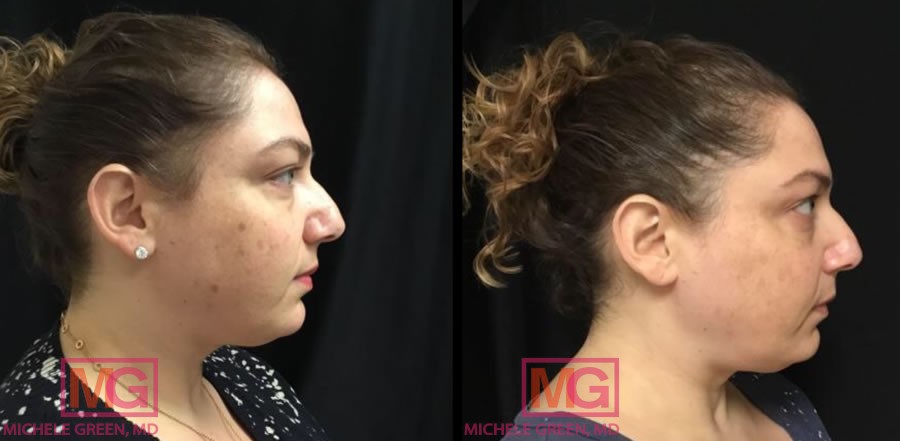
Sunspots on the hands, chest, and shoulders are extremely common, but patients don’t have to live with them. From daily sun protection to advanced in-office treatments such as Fraxel laser therapy, IPL, chemical peels, and cryotherapy, effective options exist to fade existing dark spots and prevent new ones from forming. Dr. Michele Green takes a personalized approach to each patient’s sunspots, evaluating the affected areas, pigmentation depth, and each individual’s skin type before recommending a treatment plan.
If you’re ready to address sunspots on your hands, chest, or shoulders, Dr. Michele Green can help you find the right combination of treatments to restore smoother, more even-toned skin. As an internationally recognized, board-certified dermatologist with decades of experience treating patients across New York City, Dr. Green combines medical expertise with a genuine understanding of each patient’s aesthetic goals. Castle Connolly, New York Magazine, and Super Doctors consistently recognize her as one of New York City’s top dermatologists. To schedule a consultation, call Dr. Michele Green’s office at 212-535-3088 or contact us online.


